
Gregory of Tours
Gregory of Tours was a Gallo-Roman historian and Bishop of Tours during the Merovingian period, widely regarded as the "father of French history." He is most celebrated for his extensive historical work, the 'Historia Francorum' ('History of the Franks'), which serves as a crucial primary source for understanding the Merovingian era. Gregory's writings also documented religious figures and events, contributing significantly to early medieval historical and religious scholarship.
Key Facts
- ›Gregory of Tours was born Georgius Florentius around November 30, 538 AD, and died November 17, 594 AD.
- ›He was a prominent historian and Bishop of Tours during the Merovingian period.
- ›His most significant work is the 'Decem Libri Historiarum' ('ten Books of Histories'), also known as the 'Historia Francorum' ('History of the Franks').
- ›Gregory's writings provide essential information on Merovingian history, Frankish culture, and religious life.
- ›He was born into an influential Gallo-Roman senatorial family and had relatives who held bishoprics.
- ›Gregory served as bishop of Tours from August 22, 573 AD.
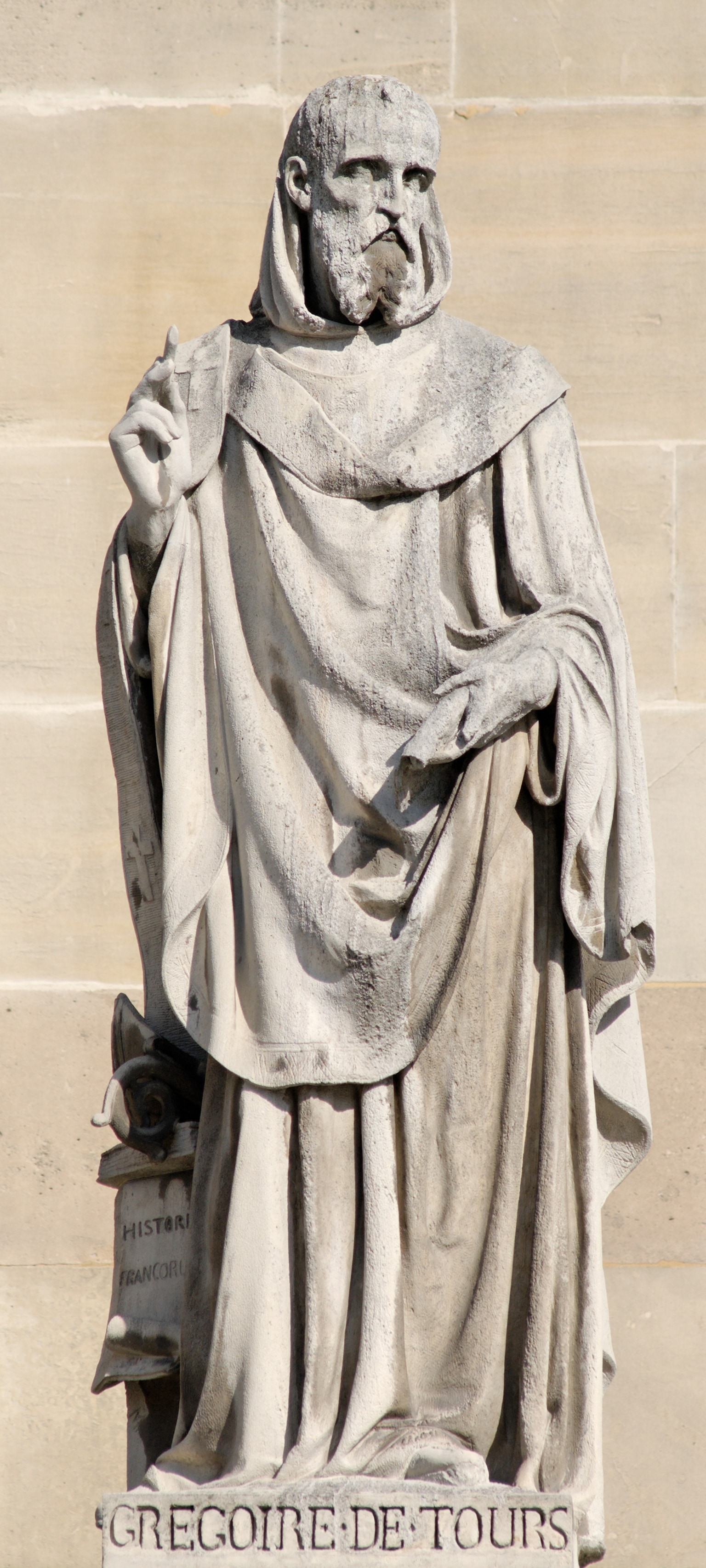
Georgius Florentius, Father of French history
About Gregory of Tours
Gregory of Tours (c. 538–594)
Gregory of Tours, born Georgius Florentius, was a pivotal Gallo-Roman historian and Bishop of Tours. His historical writings, particularly the 'Historia Francorum' ('History of the Franks'), have earned him the title "father of French history." These works are indispensable primary sources for understanding the Merovingian period, detailing the political intrigues, cultural shifts, and religious developments of early medieval Europe.
Life and Context
Born in Clermont in central Gaul, Gregory hailed from a distinguished Gallo-Roman senatorial family. He received a classical education and entered clerical service, eventually being consecrated Bishop of Tours in 573. His life spanned a transitional era, bridging late antiquity and early medieval Europe, and he navigated complex relationships with four Merovingian kings. Tours, as a pilgrimage site and a strategic location, placed him at a nexus of Frankish and Gallo-Roman cultures.
Major Works
Gregory's magnum opus is the 'Decem Libri Historiarum' ('Ten Books of Histories'), commonly known as the 'Historia Francorum'. This extensive work chronicles world history from Creation to the year 591, with a particular focus on the Franks. Books I-IV cover early history up to 575, while Books V-X offer a more personal and detailed account of contemporary events, including his own experiences. He also authored 'Life of the Fathers', a collection of hagiographies, and 'Book of the Glories of the Martyrs', which documented miracles attributed to martyrs.
Historical and Religious Significance
The 'Historia Francorum' provides invaluable insights into Merovingian society, royal succession disputes, and the spread of Christianity. Gregory's writings often reveal his Catholic orthodoxy and his efforts to combat heresies such as Arianism. His works detail not only political events but also the lives of saints, miracles, and the integration of faith into daily life, contributing significantly to the religious consciousness of his time and later centuries.
Source: Wikipedia ↗
Frequently Asked Questions
What is Gregory of Tours best known for?
Gregory of Tours is best known for his historical work, the 'Historia Francorum' ('History of the Franks'). This comprehensive chronicle is a primary source for understanding the Merovingian period in early medieval Europe.
What is the 'Historia Francorum' about?
The 'Historia Francorum' chronicles the history of the Franks from the biblical Creation to Gregory's own time, covering the Christianization of Gaul, the reigns of Merovingian kings, and significant political and religious events. It also includes accounts of saints and religious figures.
Why is Gregory of Tours called the 'father of French history'?
He is called the 'father of French history' because his extensive writings provide the most detailed and continuous account available of the Merovingian dynasty and the formation of the Frankish kingdoms, which laid the groundwork for modern France.
What was Gregory of Tours's role in the church?
Gregory of Tours served as the Bishop of Tours from 573 AD. As a bishop, he was a significant religious leader and played a role in the ecclesiastical affairs of his time, also documenting religious lives and combating heresy.
What was Gregory's background?
Gregory was born into the upper stratum of Gallo-Roman society and received a classical education. He was related to many bishops and senators, indicating his prominent family connections.
Related Saints
Michael the Syrian
Michael the Syrian was the Syriac Orthodox Patriarch of Antioch from 1166 to 1199, widely regarded as a pivotal figure in his church's history. He is remembered as both a saint and a prolific historian, most notably for his monumental Chronicle, the most extensive surviving work in Syriac literature. This chronicle covers world history from Creation to his own time, and his writings are credited with catalyzing an era of "Syriac Renaissance."
Jerome
Jerome was an early Christian priest, theologian, and historian, best known for his Latin translation of the Bible, the Vulgate. He is recognized as one of the four Great Latin Church Fathers and is revered for his extensive biblical commentaries and his teachings on Christian moral life, particularly for women. His scholarly endeavors and translation work significantly shaped Western Christianity.
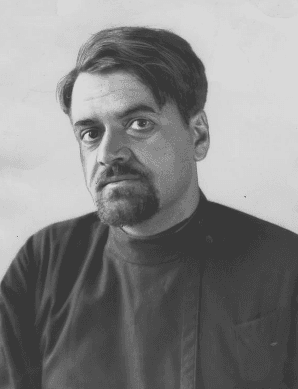
Grigol Peradze
Grigol Peradze was a prominent Georgian ecclesiastic figure, philologist, theologian, historian, and professor of patristics in the interwar period. He is remembered for his scholarly work in patristics and Georgian history, his pastoral care for the Georgian community in Paris, and his martyrdom during World War II. Peradze was canonized as a saint by the Eastern Orthodox Church for his sacrifice and dedication to his faith and fellow prisoners.