
Michael the Syrian
November 7·12th century·Syria
Michael the Syrian was the Syriac Orthodox Patriarch of Antioch from 1166 to 1199, widely regarded as a pivotal figure in his church's history. He is remembered as both a saint and a prolific historian, most notably for his monumental Chronicle, the most extensive surviving work in Syriac literature. This chronicle covers world history from Creation to his own time, and his writings are credited with catalyzing an era of "Syriac Renaissance."
Key Facts
- ›Born in Melitene in 1126 to a Syriac Orthodox priestly family.
- ›Became Patriarch of Antioch in 1166 and served for 33 years.
- ›Composed the "Chronicle," the largest surviving historical work in Syriac literature.
- ›His "Chronicle" covered world history from Creation to his own era in a unique three-column format.
- ›Maintained diplomatic relations with both Muslim and Christian rulers.
- ›His feast day in the Syriac Orthodox Church is November 7.
Michael the Great, Mīkā'ēl Rābā
About Michael the Syrian
Michael the Syrian (1126–1199)
Michael the Syrian, also known as Michael the Great (Syriac: ܡܝܟܐܝܠ ܪܒܐ, Mīkā'ēl Rābā), was a prominent Syriac Orthodox Patriarch of Antioch who served from 1166 until his death in 1199. He is widely recognized as one of the most significant figures in the history of the Syriac Orthodox Church, celebrated for his sanctity and his extensive historical writings.
Life and Patriarchate
Born in Melitene in 1126 into a distinguished Syriac Orthodox priestly family, Michael rose through the ecclesiastical ranks. He joined the Monastery of Mar Barsauma, where he completed his theological studies and was ordained a monk. Before the age of thirty, he became the archimandrite (abbot) of the monastery, during which time he significantly expanded its library and improved its infrastructure. In 1166, after much deliberation, Michael was elected Patriarch of Antioch, consecrated on October 18th with the support of 28 bishops.
As patriarch, Michael established his primary residence at the Monastery of Deyruelzafaran but also spent considerable time at Mar Barsauma. He engaged in extensive travel throughout the Levant and maintained diplomatic ties with both Christian and Muslim rulers. He was received with respect by Latin patriarchs in Antioch and Jerusalem, cultivating cordial relationships. Michael declined invitations to attend the Third Lateran Council in Rome and refused overtures from Byzantine Emperor Manuel I Komnenos, steadfastly affirming the Syriac Orthodox Miaphysite faith.
His tenure as patriarch involved significant ecclesiastical reforms, including appointing twenty-five bishops and combating simony. However, these reforms led to opposition and rebellions from some clergy. A notable challenge was the schism caused by Theodore bar Wahbun, who was consecrated as an antipatriarch. Despite these internal struggles, Michael maintained broad prestige and was instrumental in navigating the complex political and religious landscape of the era.
The Chronicle
Michael the Syrian is most celebrated for his monumental "Chronicle," the longest and richest surviving historical work in the Syriac language. Comprising 21 books, it covers world history from Creation to 1194. The "Chronicle" employed a unique three-column format: one for secular and political history, another for ecclesiastical affairs, and a third for natural phenomena. This structure allowed for a comprehensive view of historical events, their religious context, and their relationship to natural occurrences.
Modern scholars have lauded the "Chronicle" as "undoubtedly the greatest of all Syriac chronicles" and a vital resource for medieval historiography. Michael's work built upon earlier Syriac historiographical traditions and significantly influenced subsequent chroniclers. While the autograph of his "Chronicle" is lost, surviving manuscripts, notably a 1598 copy, have enabled its study and translation into Armenian, Arabic, and English, making his historical insights accessible to a wider audience.
Legacy
Michael the Great's contributions extend beyond his historical writings. His leadership as Patriarch of Antioch, his commitment to reforming clerical practices, and his efforts to protect his flock from incursions solidified his status as a significant ecclesiastical figure. His numerous other works, alongside his magnum opus, are credited with sparking an era of "Syriac Renaissance," underscoring his profound and lasting influence on Syriac literature and Orthodox Christianity. He is highly venerated within the Oriental Orthodox Communion, with his feast day observed on November 7.
Source: Wikipedia ↗
Frequently Asked Questions
Who was Michael the Syrian?
Michael the Syrian, also known as Michael the Great, was the Syriac Orthodox Patriarch of Antioch from 1166 until his death in 1199. He is revered as a saint and is highly regarded as a historian.
What is Michael the Syrian best known for?
He is best known for his monumental "Chronicle," which is the largest surviving historical work in Syriac literature. This work covers world history from Creation to his own time and is considered a cornerstone of medieval historiography.
What was the structure of Michael the Syrian's Chronicle?
The "Chronicle" was composed in a unique three-column format. The first column detailed secular and political history, the second covered ecclesiastical affairs, and the third recorded natural phenomena such as earthquakes and comets.
What were Michael the Syrian's relations with other churches and rulers?
He maintained cordial relations with Latin patriarchs and nobility, but expressed disdain for Byzantines. He also cultivated diplomatic relations with Muslim rulers, including Sultan Kilij Arslan II of Rûm.
When is Michael the Syrian's feast day?
His feast day in the Syriac Orthodox Church is celebrated on November 7, the date of his repose.
Related Saints
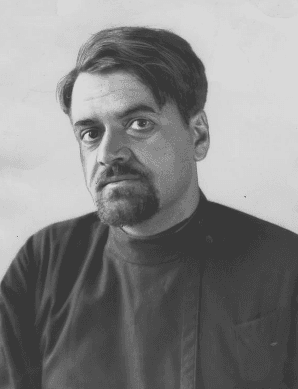
Grigol Peradze
Grigol Peradze was a prominent Georgian ecclesiastic figure, philologist, theologian, historian, and professor of patristics in the interwar period. He is remembered for his scholarly work in patristics and Georgian history, his pastoral care for the Georgian community in Paris, and his martyrdom during World War II. Peradze was canonized as a saint by the Eastern Orthodox Church for his sacrifice and dedication to his faith and fellow prisoners.
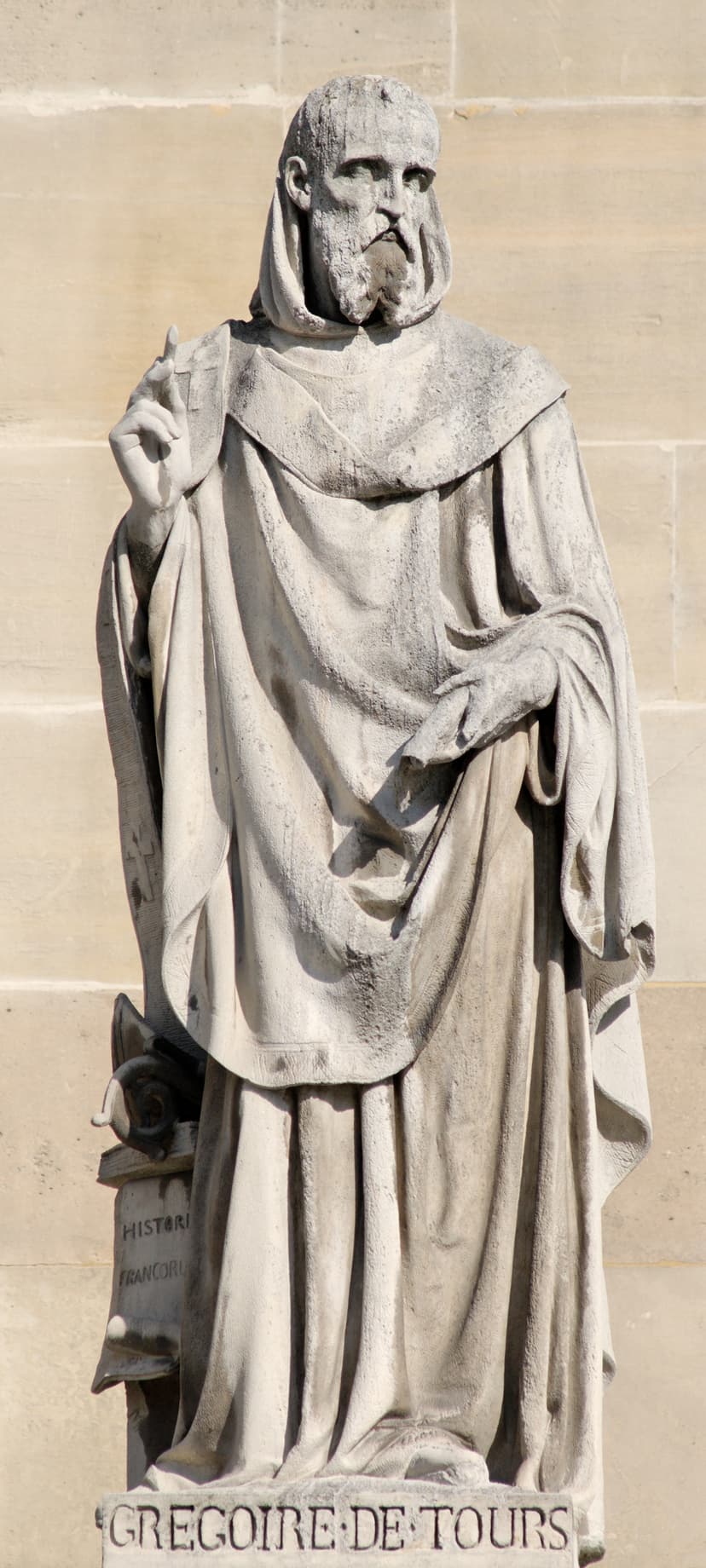
Gregory of Tours
Gregory of Tours was a Gallo-Roman historian and Bishop of Tours during the Merovingian period, widely regarded as the "father of French history." He is most celebrated for his extensive historical work, the 'Historia Francorum' ('History of the Franks'), which serves as a crucial primary source for understanding the Merovingian era. Gregory's writings also documented religious figures and events, contributing significantly to early medieval historical and religious scholarship.
Jerome
Jerome was an early Christian priest, theologian, and historian, best known for his Latin translation of the Bible, the Vulgate. He is recognized as one of the four Great Latin Church Fathers and is revered for his extensive biblical commentaries and his teachings on Christian moral life, particularly for women. His scholarly endeavors and translation work significantly shaped Western Christianity.