
Stephen the Tall
Stephen the Tall was a Serbian prince and despot, renowned as a skilled knight and military leader. He is remembered for his diplomatic acumen, patronage of the arts, and legislative reforms that strengthened his nation. His reign marked a period of cultural flourishing and increased economic prosperity for the Serbian Despotate.
Key Facts
- ›He ruled as Prince of Serbia from 1389 to 1402 and later as Despot from 1402 to 1427.
- ›He was a skilled diplomat, legislator, patron of the arts, poet, and a founding member of the Order of the Dragon.
- ›After the Battle of Kosovo, he became ruler of Moravian Serbia and ruled with his mother, Milica, until he came of age.
- ›He asserted independence after receiving the title of Despot from the Byzantine Empire in 1402.
- ›He issued the Code of Mines in 1412, which boosted mining development and the economy of the Serbian Despotate.
- ›He was canonized by the Serbian Orthodox Church on August 1, 1927, as Saint Despot Stefan of Serbia.
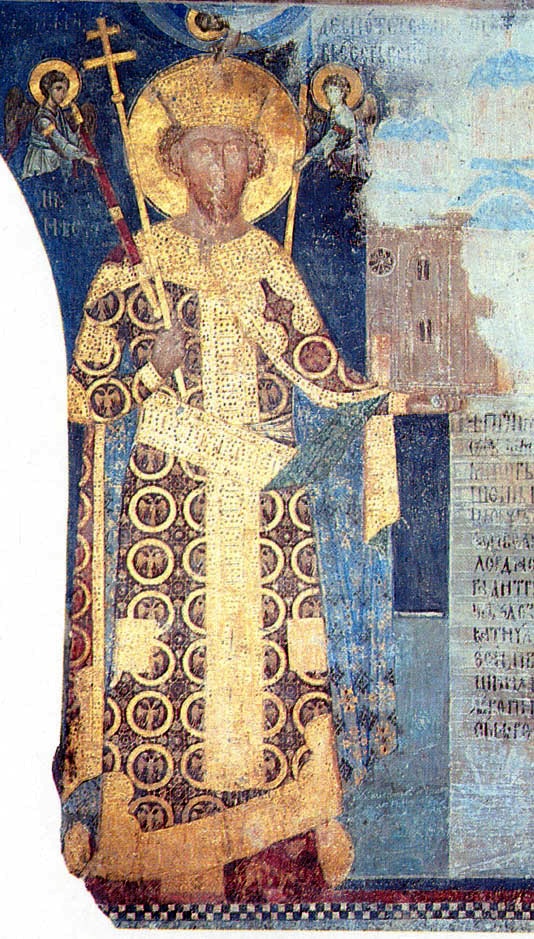
Stefan the Tall, Stefan Visoki, Saint Despot Stefan of Serbia
Serbia
Order of the Dragon
About Stephen the Tall
Stefan the Tall
Stefan Lazarević, known historically as Stefan the Tall (Serbian: Stefan Visoki), was a pivotal figure in late medieval Serbian history, ruling as Prince from 1389 to 1402 and as Despot from 1402 until his death in 1427. He was the son of Prince Lazar Hrebeljanović and Princess Milica, inheriting the leadership of Moravian Serbia during a tumultuous period following the Battle of Kosovo.
Stefan is celebrated for his multifaceted capabilities as a military commander, diplomat, legislator, and patron of the arts. He led Serbian forces in numerous battles, often as a vassal to the Ottoman Empire, but skillfully navigated shifting alliances to assert and consolidate Serbian independence. His diplomatic efforts secured significant territories and titles, including the prestigious Despotate from the Byzantine Empire. He was also a founding member of the illustrious Order of the Dragon, a testament to his standing among European knights.
On the domestic front, Stefan the Tall was instrumental in strengthening the Serbian Despotate. He broke the resistance of local nobles and focused on political, economic, and cultural development. His issuance of the Code of Mines in 1412 significantly boosted the mining industry, which formed the economic backbone of his state. By the time of his death, Serbia was a major silver producer in Europe. His reign also witnessed a flourishing of the arts, continuing the tradition of the Morava school and fostering the Resava School of arts, with his personal literary works also reflecting early Renaissance influences.
Stefan the Tall's legacy extends to his introduction of knightly tournaments, modern battle tactics, and firearms to Serbia. He provided refuge and support to scholars and refugees fleeing Ottoman expansion, further enriching the cultural landscape. His literary work, "A Homage to Love," is noted for its Renaissance themes. In recognition of his piety and leadership, he was canonized by the Serbian Orthodox Church in 1927 as Saint Despot Stefan of Serbia, and his relics are venerated at the Koporin Monastery.
Source: Wikipedia ↗
Frequently Asked Questions
Who was Stefan Lazarević?
Stefan Lazarević, also known as Stefan the Tall, was a Serbian prince and later despot who ruled from 1389 to 1427. He was a prominent military leader, diplomat, and patron of the arts.
What were Stefan the Tall's major achievements?
He strengthened Serbia politically, economically, and culturally, issuing the Code of Mines to boost the economy and fostering artistic development through the Morava and Resava schools. He was also a founding member of the Order of the Dragon and introduced modern military tactics to Serbia.
Why is Stefan the Tall considered important?
He is remembered as one of the finest knights and military leaders of his time, and his reign is associated with early signs of the Renaissance in Serbian lands. His efforts significantly contributed to the development and stability of the Serbian Despotate.
When was Stefan the Tall canonized?
Stefan the Tall was canonized by the Serbian Orthodox Church on August 1, 1927, on the 500th anniversary of his death. He is venerated as Saint Despot Stefan of Serbia.
Where are the relics of Saint Despot Stefan kept?
The relics of Saint Despot Stefan of Serbia are kept in the Koporin Monastery.
Related Saints
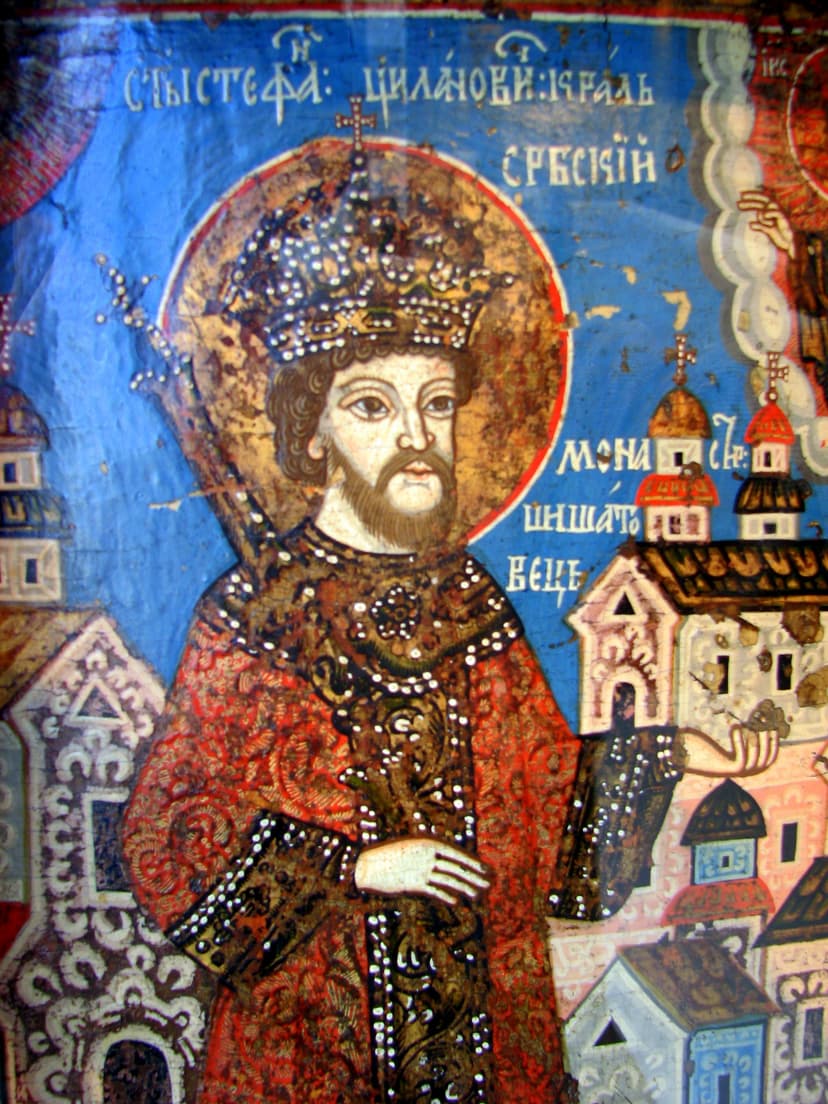
Stephen Štiljanović
Stephen Štiljanović was the last prominent Serbian nobleman of the period of Ottoman Serbia, serving as a valiant commander of frontiersmen against the Ottoman Empire. Folklore remembers him as the last Despot of Serbia, and he is venerated as a Saint in the Serbian Orthodox Church. He is chiefly remembered for his military operations and his later sainthood.

Stephen the Great
Stephen the Great, also known as Ștefan cel Mare, was the Voivode of Moldavia from 1457 to 1504. He is remembered for his exceptionally long reign, his skilled military leadership in defending Moldavia against powerful neighbors like the Ottoman Empire, and his role as a protector of Christianity. His efforts in nation-building and his role as a national hero in Romania and Moldova are central to his legacy.
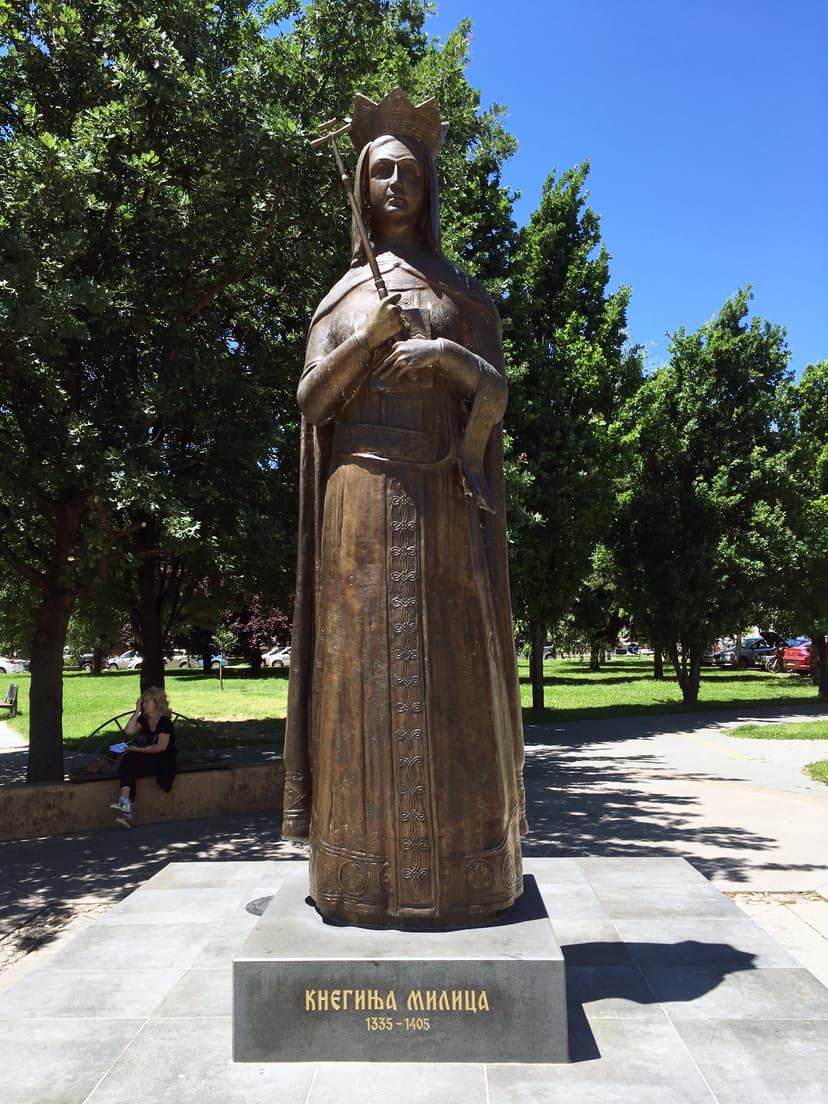
Milica of Serbia
Princess Milica Hrebeljanović, also known as Empress Milica, was a Serbian royal consort and later a nun. She is remembered for her strong personality, her regency over Serbia following her husband Prince Lazar's death at the Battle of Kosovo, and her literary works, including "A Mother's Prayer".