
Stephen Štiljanović
October 17·16th century·Serbia
Stephen Štiljanović was the last prominent Serbian nobleman of the period of Ottoman Serbia, serving as a valiant commander of frontiersmen against the Ottoman Empire. Folklore remembers him as the last Despot of Serbia, and he is venerated as a Saint in the Serbian Orthodox Church. He is chiefly remembered for his military operations and his later sainthood.
Key Facts
- ›He was the last prominent Serbian nobleman of the period of Ottoman Serbia.
- ›He ruled a large territory under the Hungarian crown, fighting against the Ottoman Empire.
- ›He was defeated and captured by the Ottomans in 1543 but was spared his life.
- ›His mortal remains were moved to ŠIšatovac monastery and later to the Cathedral of Saint Archangel Michael in Belgrade.
- ›He is venerated as a Saint in the Serbian Orthodox Church on October 17.
- ›His widow, Jelena, is also venerated as a Saint and traditionally founded the Petkovica monastery.
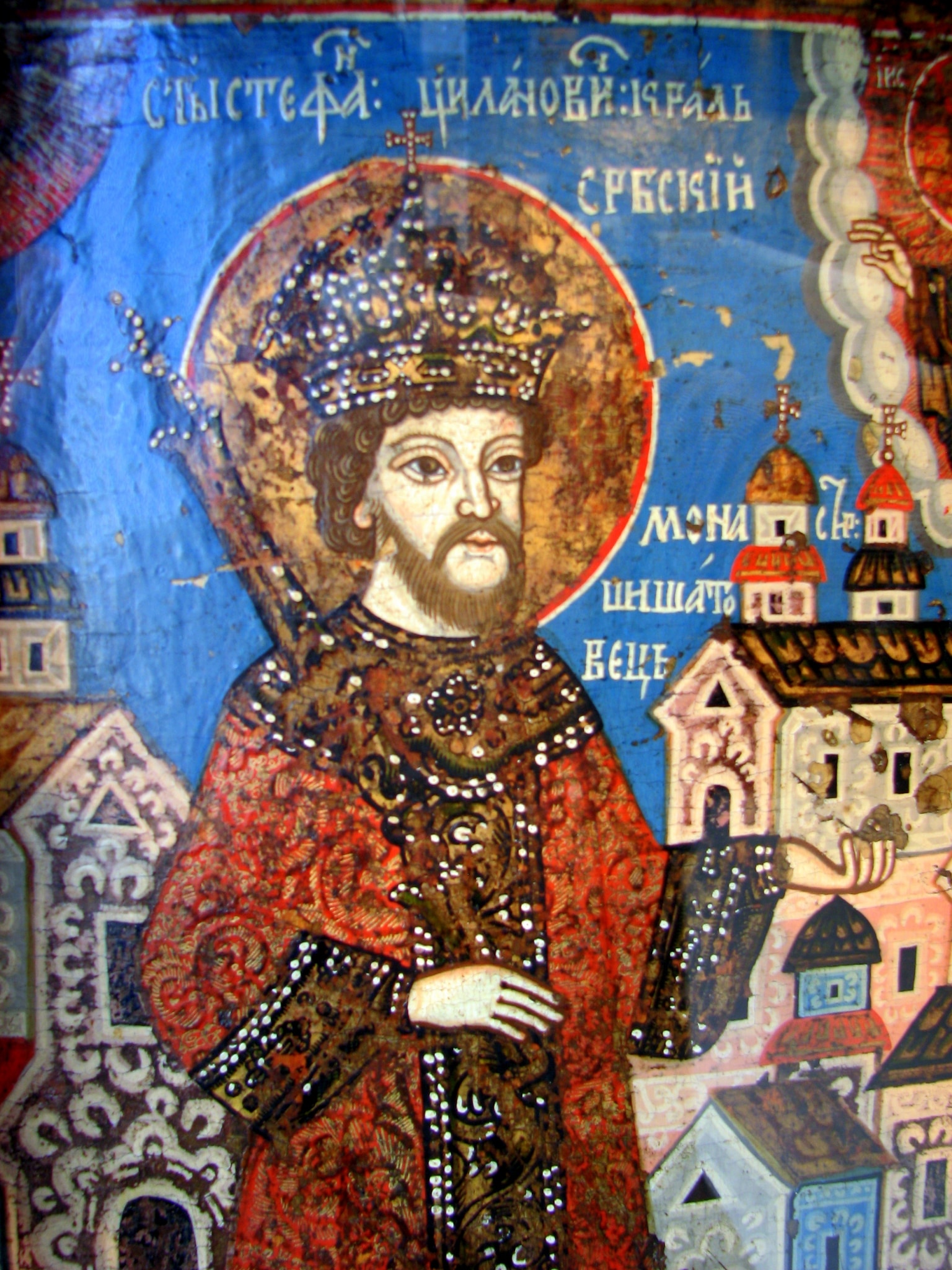
Stefan Štiljanović
Crown
About Stephen Štiljanović
Stephen Štiljanović (also known as Stefan Štiljanović) was a significant Serbian nobleman active in the late 15th and early 16th centuries, a period marked by the expansion of the Ottoman Empire into the Balkans. He is recognized as the last prominent Serbian nobleman of this era and is celebrated in folklore as the final Despot of Serbia. His life and deeds are commemorated by the Serbian Orthodox Church, which venerates him as a Saint.
Life and Historical Context
Born in Paštrovići, a region in modern Montenegro which had become subjects of the Republic of Venice, Štiljanović held the title of knez (prince) of Paštrovići, being the last and most renowned holder of this position. He possessed seven mills and, after a dispute with Venice in 1498, left his possessions to his people and moved to Syrmia (modern Serbia). In the same year, he commissioned the construction of the town of Morović, which became his residence. His influence and holdings expanded in 1507 when he acquired the town of Siklós in Baranya from Louis II of Hungary. During a succession war, Štiljanović aligned himself with Ferdinand I, subsequently being appointed administrator of Novigrad and Orahovica, and gaining further estates. He commanded frontiersmen who actively fought against the Ottoman Empire, leading his own flotilla.
In 1543, Štiljanović was captured by Ottoman forces but was released due to his renowned heroism. He spent his final years in Siklós, where he died around the same year. The biography of Stefan Štiljanović was later written by Serbian Patriarch Pajsije I Janjevac in the 17th century, contributing to the revival of traditional Serbian hagiographical literature.
Sainthood and Legacy
Stephen Štiljanović was proclaimed a Saint by the Serbian Orthodox Church, with his feast day observed on October 17th. His mortal remains were initially interred at the Šišatovac monastery. During World War II, his tomb was desecrated by the Croatian Ustaše, who damaged his remains and stole valuables, including his crown. Serbian church officials managed to recover and rebury his remains. His widow, Jelena, is also recognized as a Saint, and tradition attributes the founding of the Petkovica monastery on Fruška Gora to her. A church in Augsburg, Germany, is named in honor of both Saints Stephen and Helena Štiljanović, reflecting their enduring veneration.
Source: Wikipedia ↗
Frequently Asked Questions
When is Saint Stephen Štiljanović's feast day?
Saint Stephen Štiljanović's feast day is celebrated on October 17th in the Serbian Orthodox Church.
What is Stephen Štiljanović known for?
He is known as the last prominent Serbian nobleman of the Ottoman period and, according to folklore, the last Despot of Serbia. He is also venerated as a saint for his operations against the Ottoman Empire.
Where did Stephen Štiljanović live?
He was born in Paštrovići and later established his residence in Morović and Valpovo. His final years were spent in Siklós, where he died.
What happened to Stephen Štiljanović's relics?
His mortal remains were moved to the Šišatovac monastery and, during World War II, to the Cathedral of Saint Archangel Michael in Belgrade. His crown was stolen during the war but later recovered.
Who was Stephen Štiljanović's wife?
His wife was Jelena, who is also venerated as a Saint in the Serbian Orthodox Church. Tradition holds that she founded the Petkovica monastery.
Related Saints
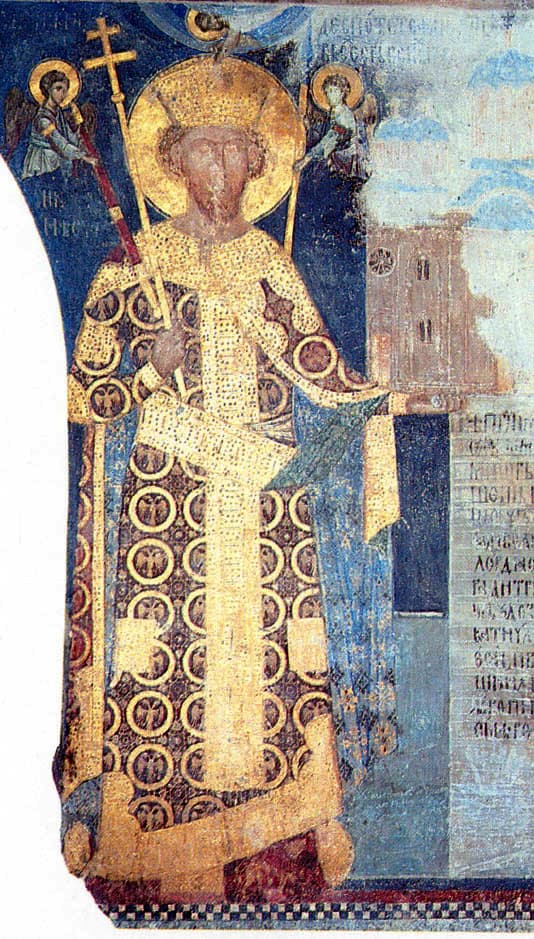
Stephen the Tall
Stephen the Tall was a Serbian prince and despot, renowned as a skilled knight and military leader. He is remembered for his diplomatic acumen, patronage of the arts, and legislative reforms that strengthened his nation. His reign marked a period of cultural flourishing and increased economic prosperity for the Serbian Despotate.
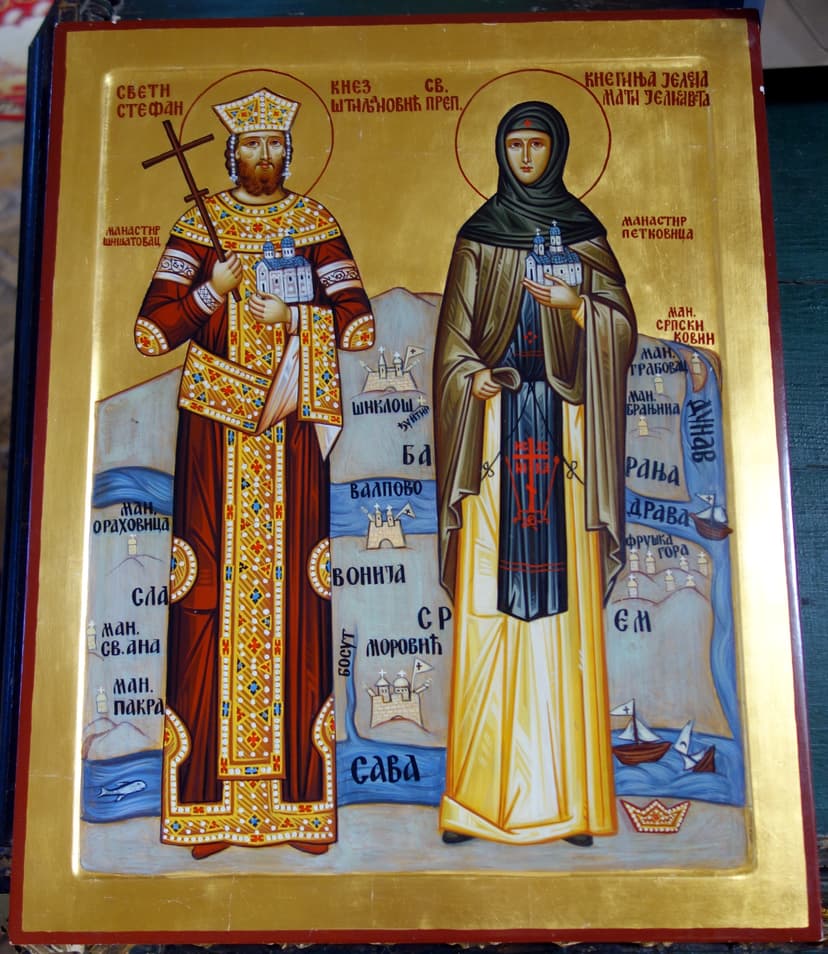
Helena Štiljanović
Helena Štiljanović, also known as Jelisaveta, was a Serbian princess and saint venerated by the Serbian Orthodox Church. She is remembered for her piety, her patronage of monasteries, and for becoming a nun after her husband's death. Her generosity is credited with the founding of Petkovica Monastery.
Angelina of Serbia
Angelina Branković was a Serbian princess of Albanian origin, born into the Arianiti family. She married Stefan Branković, the exiled Serbian ruler, and later became a venerated saint in the Serbian Orthodox Church. She is remembered for her pious life and for writing a hagiography.