
Helena Štiljanović
October 4·16th century·Serbia
Helena Štiljanović, also known as Jelisaveta, was a Serbian princess and saint venerated by the Serbian Orthodox Church. She is remembered for her piety, her patronage of monasteries, and for becoming a nun after her husband's death. Her generosity is credited with the founding of Petkovica Monastery.
Key Facts
- ›She was the wife of Prince Stefan Štiljanović, who is also venerated as a saint.
- ›After her husband's death, she fled from the Turks to Germany.
- ›She returned to ŠIšatovac monastery to pay homage to her husband's relics.
- ›She became a nun under the monastic name Jelisaveta.
- ›The founding of Petkovica Monastery around 1522 is attributed to her generosity.
- ›Her feast day is celebrated on October 4 by the Serbian Orthodox Church.
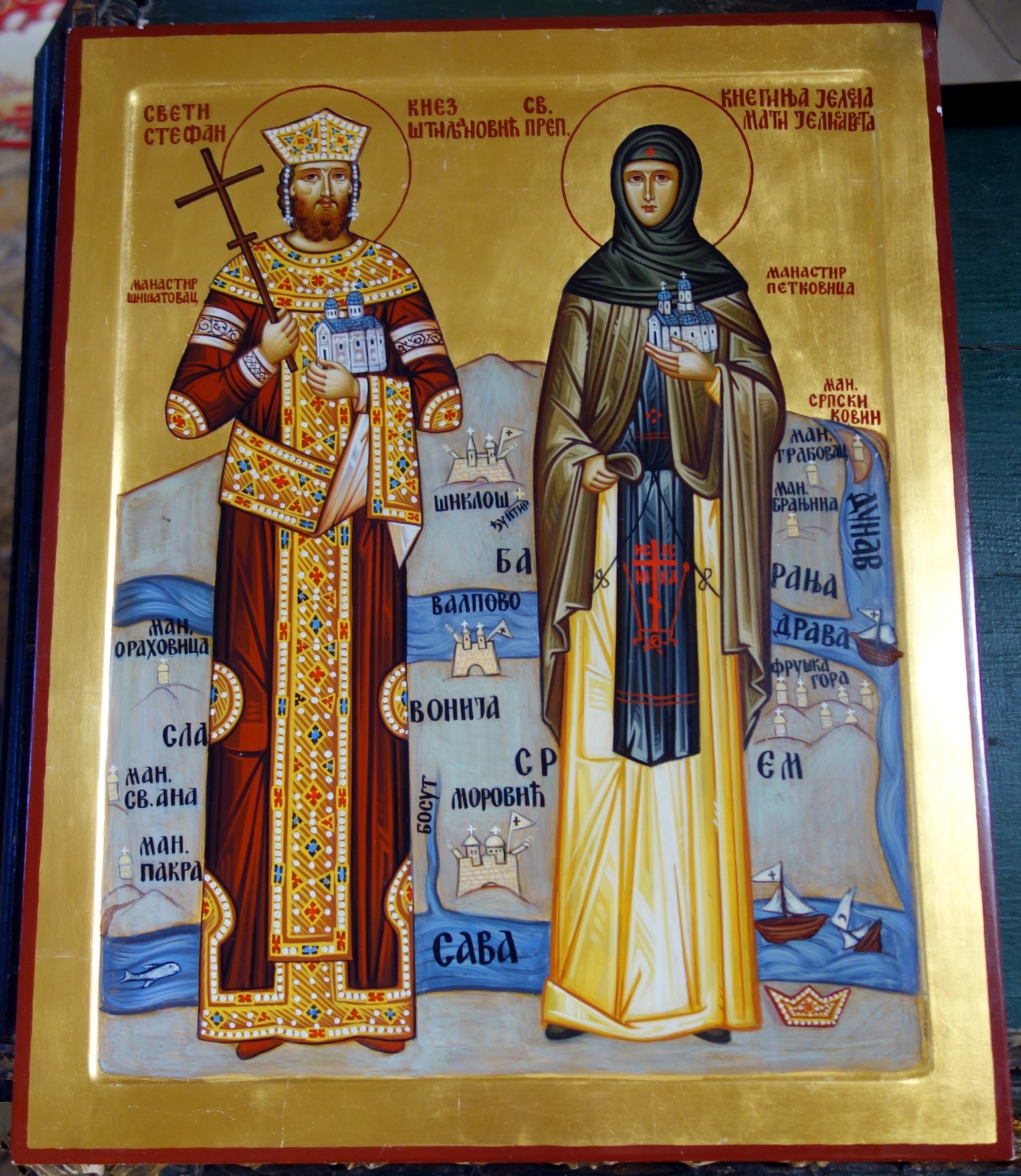
About Helena Štiljanović
Helena Štiljanović, also known by her monastic name Jelisaveta, was a Serbian princess and saint who lived in the 16th century. She is venerated by the Serbian Orthodox Church, with her feast day observed on October 4. Her life story is one of piety, resilience, and charitable works.
Life and Historical Context
Helena was the wife of Prince Stefan Štiljanović, a figure also recognized for his sainthood within the Serbian Orthodox tradition. Following Prince Stefan's death, Helena faced significant upheaval, fleeing from Ottoman Turkish incursions into Germany. Her spiritual journey led her back to the monastery of Šišatovac, where she paid homage to her husband's relics. It was here that she made the profound decision to embrace monastic life, taking the name Jelisaveta.
Contributions and Legacy
The founding of the Petkovica Monastery around 1522 is attributed to Helena Štiljanović's generous patronage. This act of foundation underscores her commitment to religious life and her desire to support monastic communities. While historical records suggest she may have been buried at the Convent of the Blessed Virgin Mary in Sremski Karlovci, her enduring legacy lies in her spiritual devotion and her contributions to the ecclesiastical landscape of Serbia. She is remembered as a saintly figure who navigated personal tragedy with faith and dedicated her later life to God.
Source: Wikipedia ↗
Frequently Asked Questions
Who was Helena Štiljanović?
Helena Štiljanović was a Serbian princess and saint. She was the wife of Prince Stefan Štiljanović, who is also venerated as a saint. She is known for her piety and her later life as a nun.
What is Helena Štiljanović remembered for?
She is remembered for her generosity, particularly for the founding of Petkovica Monastery around 1522. After her husband's death, she fled from the Turks and eventually became a nun, taking the name Jelisaveta.
When is Helena Štiljanović's feast day?
The Serbian Orthodox Church celebrates the feast day of Helena Štiljanović on October 4.
What happened after her husband's death?
Following the death of her husband, Prince Stefan Štiljanović, she fled from the Turks and went to Germany. Upon learning her husband's relics had been found, she returned to Šišatovac monastery and later became a nun.
Related Saints
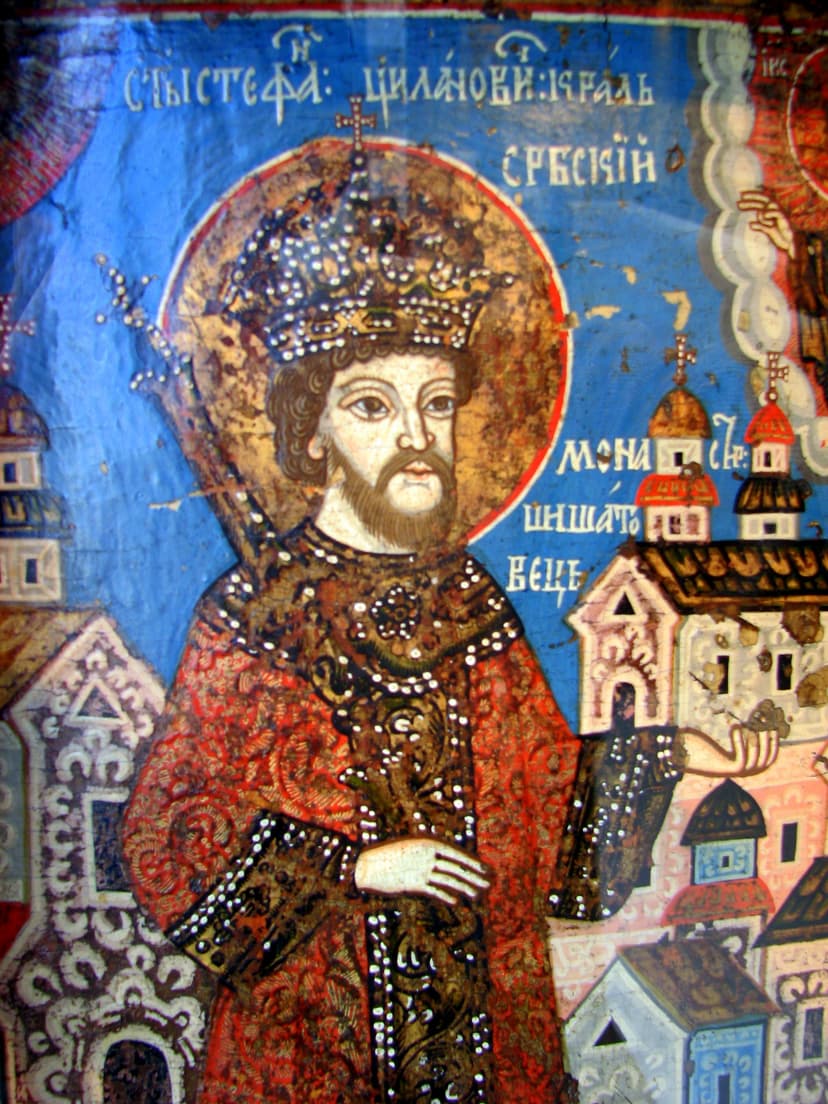
Stephen Štiljanović
Stephen Štiljanović was the last prominent Serbian nobleman of the period of Ottoman Serbia, serving as a valiant commander of frontiersmen against the Ottoman Empire. Folklore remembers him as the last Despot of Serbia, and he is venerated as a Saint in the Serbian Orthodox Church. He is chiefly remembered for his military operations and his later sainthood.
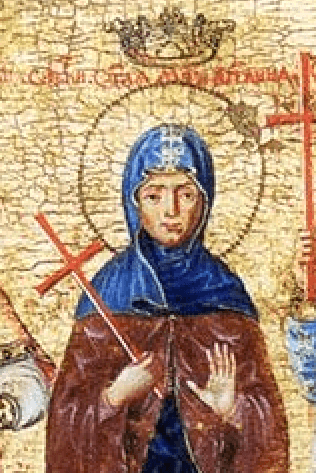
Angelina of Serbia
Angelina Branković was a Serbian princess of Albanian origin, born into the Arianiti family. She married Stefan Branković, the exiled Serbian ruler, and later became a venerated saint in the Serbian Orthodox Church. She is remembered for her pious life and for writing a hagiography.
Euthymius of Dečani
Venerable Euthymius of Dečani was a 16th-century Serbian monk who became a martyr during the Ottoman invasion of Medieval Serbia. He is primarily remembered for his martyrdom, with his feast day celebrated by the Serbian Orthodox Church.