
Milica of Serbia
Princess Milica Hrebeljanović, also known as Empress Milica, was a Serbian royal consort and later a nun. She is remembered for her strong personality, her regency over Serbia following her husband Prince Lazar's death at the Battle of Kosovo, and her literary works, including "A Mother's Prayer".
Key Facts
- ›She was the daughter of Prince Vratko Nemanjić and a descendant of the elder branch of the Nemanjić dynasty.
- ›After her husband Prince Lazar's death at the Battle of Kosovo in 1389, she served as queen regent of Serbia until 1393.
- ›She navigated complex political situations, facing threats from Hungary and Vuk Branković, and eventually accepted Ottoman suzerainty.
- ›She founded the Ljubostinja monastery and later took monastic vows, becoming the nun Eugenia.
- ›Milica was a writer, credited with "a Mother's Prayer" and a poem mourning her husband.
- ›She was canonized by the Serbian Orthodox Church and is buried at Ljubostinja monastery.
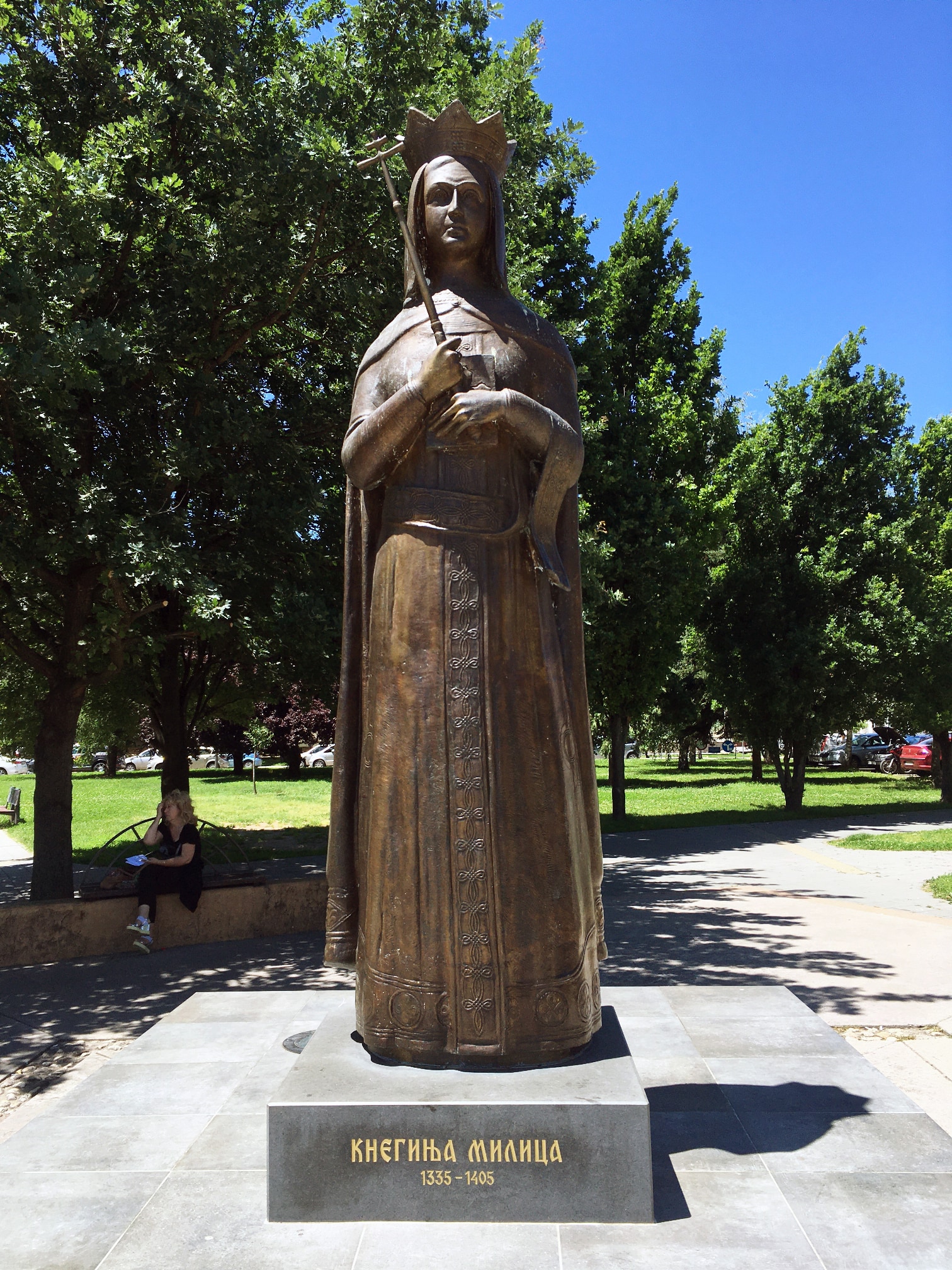
Empress Milica, Tsaritsa Milica, Nun Eugenia, Abbess Euphrosine
About Milica of Serbia
Princess Milica Hrebeljanović (c. 1335 – November 11, 1405), also known as Empress Milica, was a prominent figure in late medieval Serbian history. As the royal consort of Prince Lazar, who died at the Battle of Kosovo, she assumed leadership of Serbia as queen regent from 1389 to 1393. Her regency was marked by significant political and military challenges, including incursions from Hungary and internal conflicts, which she navigated with resilience and diplomacy, eventually accepting Ottoman suzerainty.
Milica was a member of the elder branch of the Nemanjić dynasty, a significant royal house in Serbia. She was known for her strong personality and her piety. After her regency, she dedicated herself to religious life, founding the Ljubostinja monastery around 1390 and taking monastic vows under the name Eugenia. She also became an abbess, later known as Euphrosine.
Beyond her political and religious roles, Milica was also a writer. She authored "A Mother's Prayer" and a poem lamenting her husband's death, "My Widowhood's Bridegroom." Her literary and spiritual works, along with her role as a mother to a ruling son, have cemented her legacy. She was canonized by the Serbian Orthodox Church and is buried in the Ljubostinja monastery, which she founded. Streets in modern Serbia bear her name, reflecting her lasting impact on national memory.
Source: Wikipedia ↗
Frequently Asked Questions
Who was Princess Milica of Serbia?
Princess Milica Hrebeljanović, also known as Empress Milica, was a Serbian royal consort and later a nun. She was married to Prince Lazar, who died at the Battle of Kosovo.
What role did Milica play after the Battle of Kosovo?
Following her husband's death in 1389, Milica assumed the role of queen regent of Serbia, ruling until her son Stefan Lazarević came of age in 1393. She navigated significant political challenges during this period.
What were Milica's literary contributions?
Milica was a writer and is known for "A Mother's Prayer" and a poem of mourning for her husband, "My Widowhood's Bridegroom." She also commissioned the repair of the bronze horos at Dečani monastery.
What is Milica's connection to Ljubostinja monastery?
Milica founded the Ljubostinja monastery around 1390. She later took monastic vows there and became the nun Eugenia, and she is ultimately buried at the monastery.
How is Milica remembered today?
Milica is remembered as a strong ruler, a devout nun, and a writer. She was canonized by the Serbian Orthodox Church, and streets in Serbia are named in her honor.
Related Saints
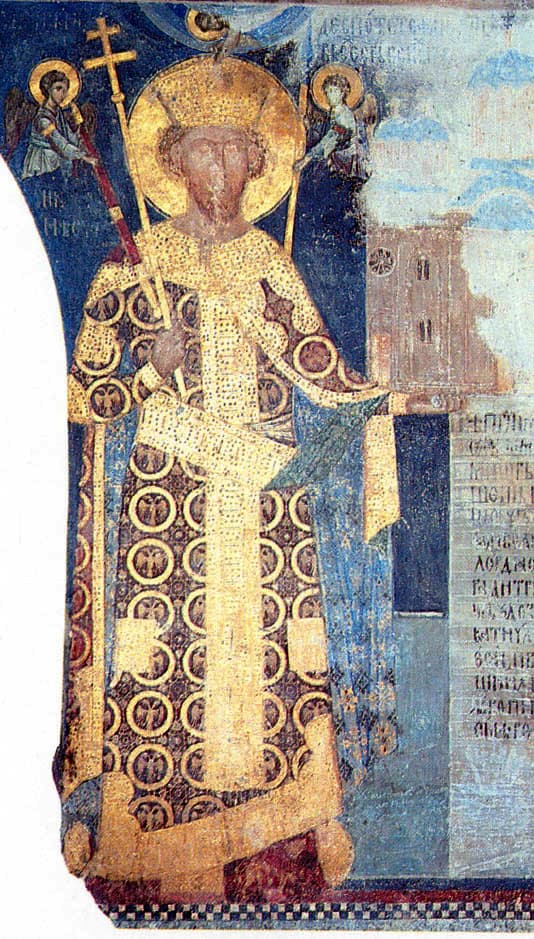
Stephen the Tall
Stephen the Tall was a Serbian prince and despot, renowned as a skilled knight and military leader. He is remembered for his diplomatic acumen, patronage of the arts, and legislative reforms that strengthened his nation. His reign marked a period of cultural flourishing and increased economic prosperity for the Serbian Despotate.
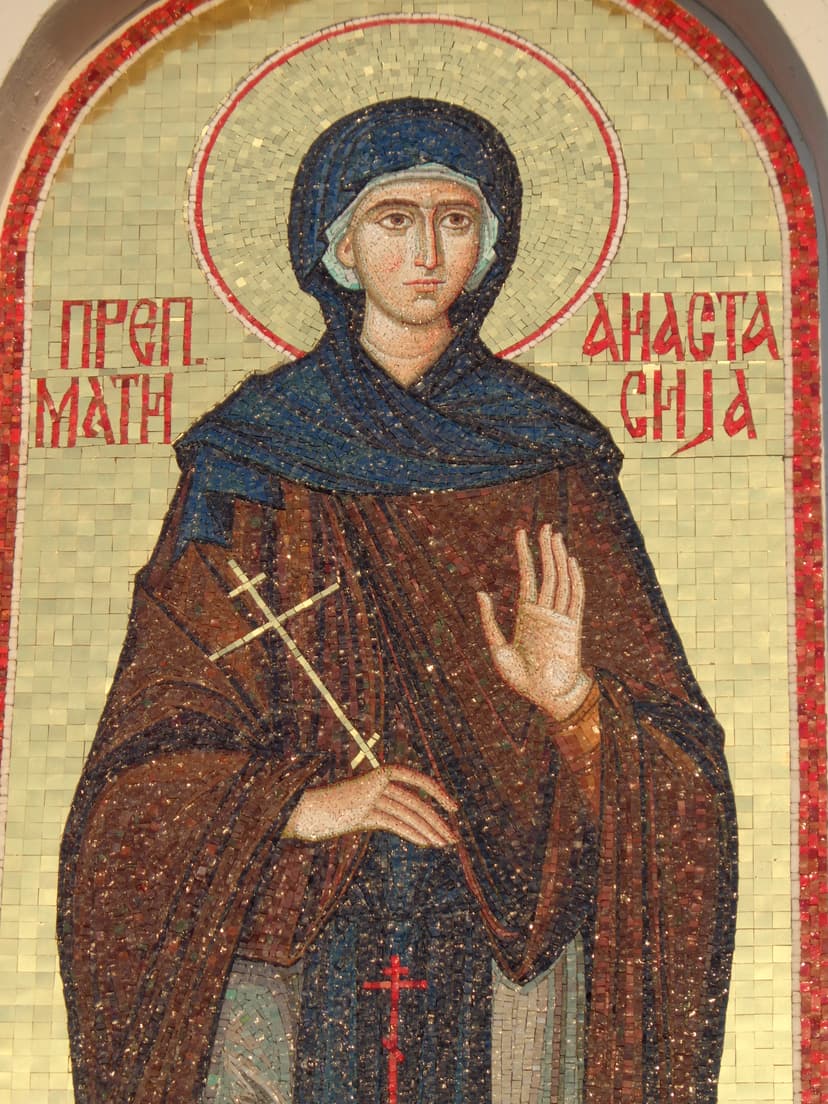
Anastasia of Serbia
Anastasia was the princess consort of the Serbian Principality as the wife of Stefan Nemanja. She is venerated as a saint in the Eastern Orthodox Church, particularly the Serbian Orthodox Church, where she is remembered for her humble and pious character. After taking monastic vows, she became known as Anastasija, after Anastasia of Sirmium.
Joannicius of Devič
Joannicius of Devič was a 15th-century Serbian Orthodox saint revered for his ascetic life and miraculous healing abilities. He is chiefly remembered for his healing of Serbian Despot Đurađ Branković's daughter, which led to the founding of the Devič Monastery. Christians believe his relics, housed at the monastery, possess miraculous powers.