
Joannicius of Devič
Joannicius of Devič was a 15th-century Serbian Orthodox saint revered for his ascetic life and miraculous healing abilities. He is chiefly remembered for his healing of Serbian Despot Đurađ Branković's daughter, which led to the founding of the Devič Monastery. Christians believe his relics, housed at the monastery, possess miraculous powers.
Key Facts
- ›Joannicius was a 15th-century Serbian Orthodox saint.
- ›He was a native Serb from the Principality of Zeta or Austrian Dalmatia.
- ›He lived as a hermit in the Ibar river valley and Drenica.
- ›Tradition holds that he healed the mad daughter of Serbian Despot Đurađ Branković.
- ›Đurađ Branković founded the Devič Monastery in gratitude for the healing.
- ›He is venerated as a healer of diseases, particularly the "obsessed".
Joanikije of Devič, Janićije
Healer of the Obsessed
Reclining Figure
About Joannicius of Devič
Joannicius of Devič, also known archaically as Janićije, was a 15th-century Serbian Orthodox saint. Historical accounts suggest he was a native Serb from either the Principality of Zeta or Austrian Dalmatia. Driven by a profound spiritual passion, he left his home in his youth to live a life of solitude and prayer in the Ibar river valley, specifically at the mouth of the Crna Reka river. He chose a cave traditionally believed to have been inhabited by Saint Peter of Koriša.
As his reputation for piety grew, Joannicius sought greater seclusion to escape public attention, moving to the dense Devička forest in Drenica. He spent many years there in silence and deep prayer. According to tradition, his ascetic life and spiritual gifts led to a significant event: Serbian Despot Đurađ Branković brought his daughter, who was suffering from madness, to Joannicius. The saint healed her, and in profound gratitude, Branković commissioned the construction of a monastery on the site. This monastery is still known today as the Devič Monastery, and it is where the relics of Saint Joannicius are venerated.
Joannicius is particularly remembered as a healer of diseases, with a special emphasis on those suffering from mental afflictions, often described as the "obsessed." Christians believe his relics possess miraculous properties. The Devič Monastery has endured considerable hardship throughout its history, including destruction in 1941 and vandalism during the Kosovo War in 1999, yet it remains a focal point for the veneration of Saint Joannicius.
Life and Historical Context
Joannicius lived during the 15th century, a period marked by the consolidation and eventual fall of Serbian states under Ottoman pressure. His choice of a hermit's life in remote areas reflects a common spiritual practice among ascetics seeking to dedicate themselves entirely to God away from worldly distractions. The patronage of Serbian Despot Đurađ Branković highlights his recognized spiritual authority and the reverence held for him by secular rulers of the time.
Major Contributions
The primary contribution attributed to Joannicius is his role as a spiritual healer, most notably in the miraculous cure of Despot Đurađ Branković's daughter. This act of healing led directly to the establishment of the Devič Monastery, which has served as a significant spiritual and cultural center for centuries. His life exemplifies the monastic and ascetic traditions within the Serbian Orthodox Church.
Legacy
The legacy of Joannicius of Devič is intrinsically linked to the Devič Monastery and the continued belief in the miraculous power of his relics. His veneration as a saint underscores the importance of monasticism and spiritual healing in Serbian Orthodox tradition. Despite the historical challenges faced by his monastery, devotion to Saint Joannicius persists, making him an enduring figure in Serbian hagiography.
Source: Wikipedia ↗
Frequently Asked Questions
Who was Joannicius of Devič?
Joannicius of Devič was a 15th-century Serbian Orthodox saint known for his ascetic life and miraculous healing abilities. He lived as a hermit in the Ibar river valley and Drenica.
Why is Joannicius of Devič remembered?
He is primarily remembered for healing the mad daughter of Serbian Despot Đurađ Branković. In gratitude, Branković founded the Devič Monastery, where Joannicius's relics are now housed and believed to be miraculous.
What is Joannicius of Devič known for healing?
According to tradition, Joannicius was known as a healer of all diseases, with a particular reputation for healing those who were "obsessed" or suffering from mental afflictions.
Where are the relics of Joannicius of Devič located?
The relics of Saint Joannicius of Devič are kept at the Devič Monastery, which was founded by Serbian Despot Đurađ Branković. The monastery has faced destruction and vandalism throughout its history.
When was Joannicius of Devič active?
Joannicius of Devič was active in the 15th century. He is considered a Serbian Orthodox saint from that period.
Related Saints
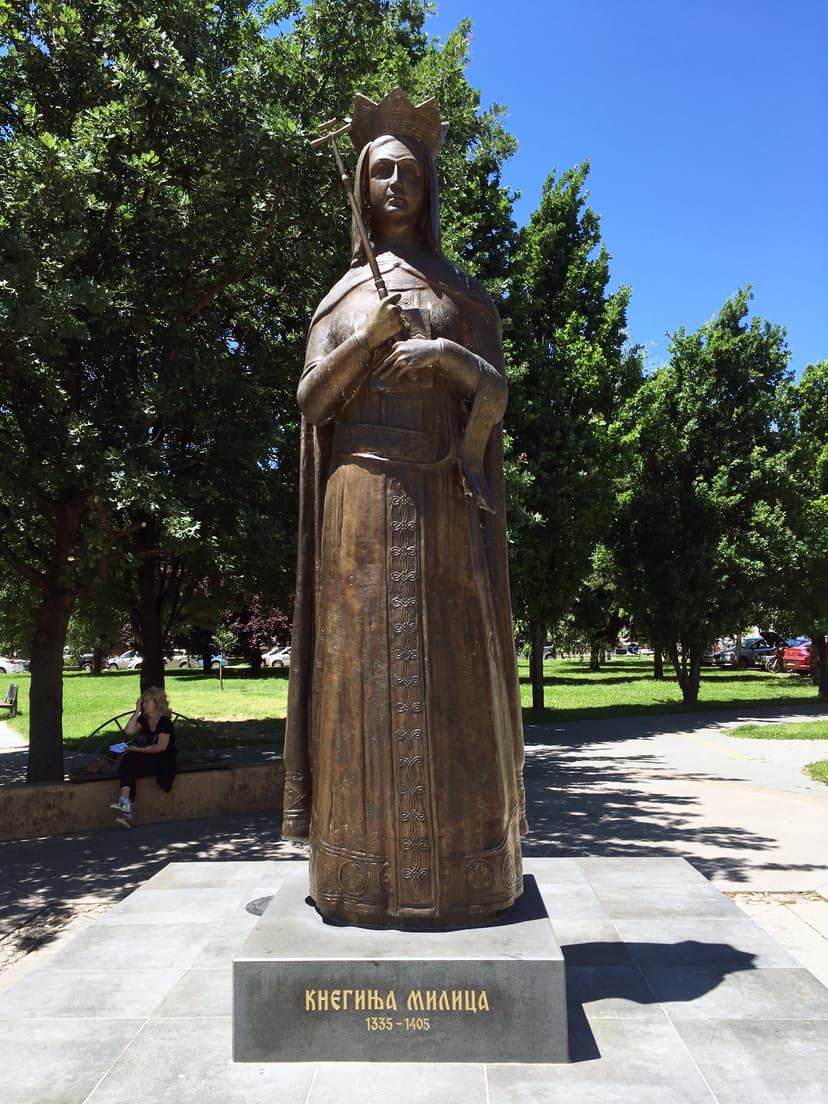
Milica of Serbia
Princess Milica Hrebeljanović, also known as Empress Milica, was a Serbian royal consort and later a nun. She is remembered for her strong personality, her regency over Serbia following her husband Prince Lazar's death at the Battle of Kosovo, and her literary works, including "A Mother's Prayer".
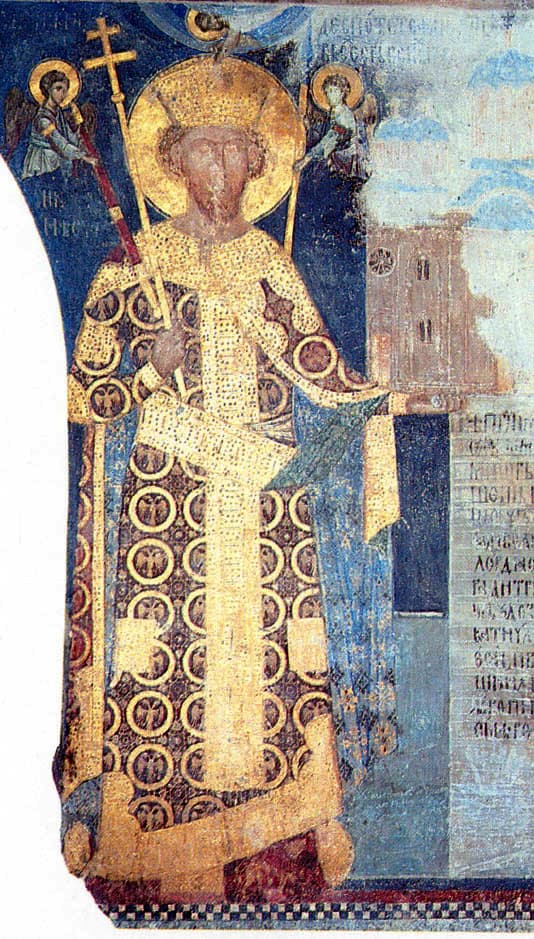
Stephen the Tall
Stephen the Tall was a Serbian prince and despot, renowned as a skilled knight and military leader. He is remembered for his diplomatic acumen, patronage of the arts, and legislative reforms that strengthened his nation. His reign marked a period of cultural flourishing and increased economic prosperity for the Serbian Despotate.
Cyril I of Serbia
Cyril I of Serbia served as the Patriarch of the Serbian Patriarchate of Peć from 1407 to 1419. He assumed leadership during a period of recovery for medieval Serbia following the Battle of Kosovo, while the young despot Stefan Lazarević navigated numerous external threats. He is venerated liturgically on September 12th.