
Anastasia of Serbia
Anastasia was the princess consort of the Serbian Principality as the wife of Stefan Nemanja. She is venerated as a saint in the Eastern Orthodox Church, particularly the Serbian Orthodox Church, where she is remembered for her humble and pious character. After taking monastic vows, she became known as Anastasija, after Anastasia of Sirmium.
Key Facts
- ›She was the wife of Stefan Nemanja, ruler of the Serbian Principality.
- ›Ana took monastic vows in 1196 and was tonsured as Anastasija.
- ›Her feast day is commemorated on June 21.
- ›She is venerated as a saint in the Eastern Orthodox Church, especially the Serbian Orthodox Church.
- ›She participated in the renovation of the Monastery of the Theotokos.
- ›She was buried at Studenica Monastery.
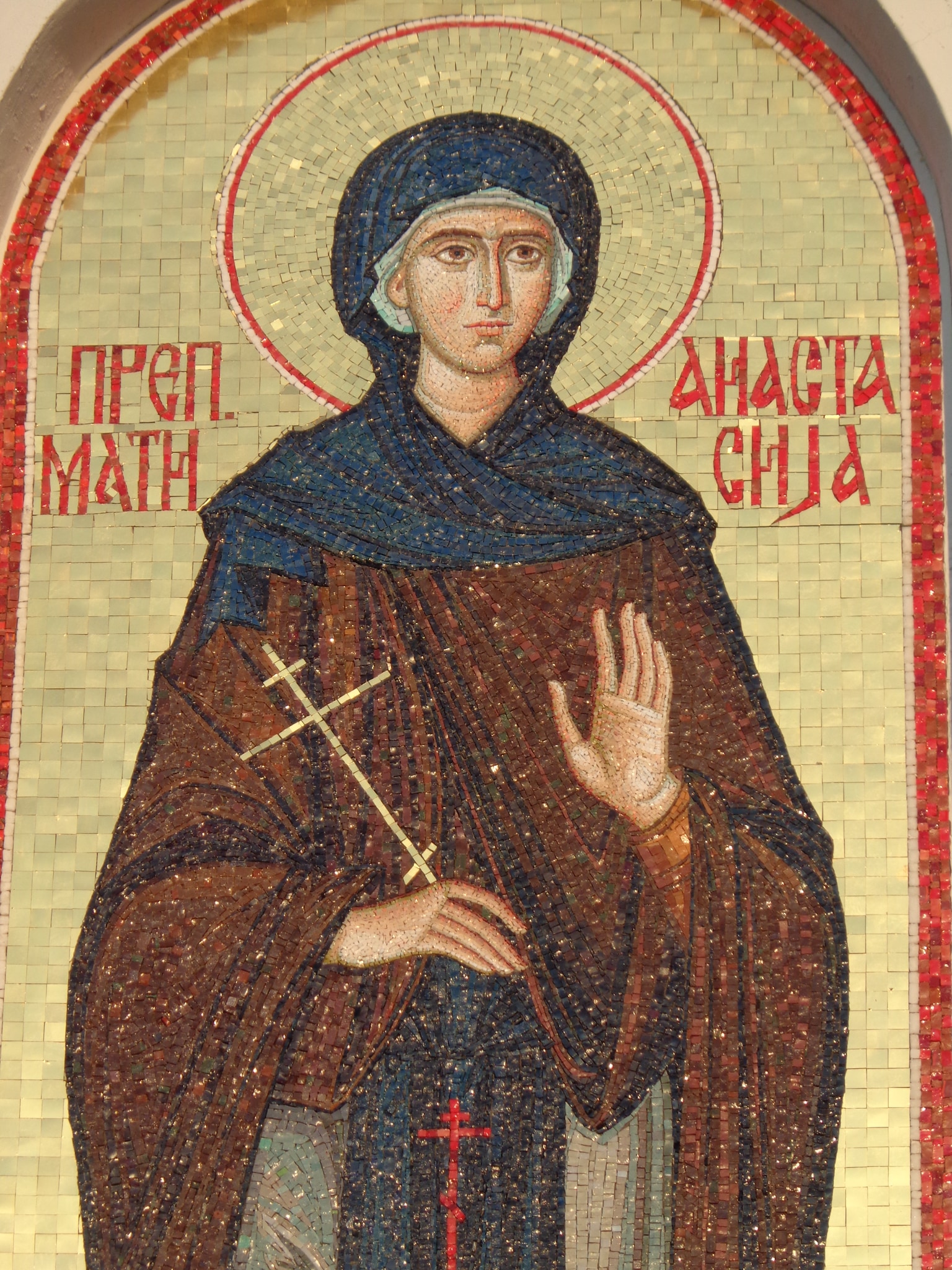
Ana, Anastasija, Saint Anastasia, Sveta Anastasija
About Anastasia of Serbia
Anastasia, born Ana, was the princess consort of the Serbian Principality, married to Stefan Nemanja, who ruled from 1166 to 1196. Little is recorded about her origins, with various theories suggesting Byzantine Greek, French, or Bosnian heritage, though these are not definitively proven. Historical accounts from the time, particularly the hagiographies of her husband, offer limited details about her early life and marriage.
Life and Veneration
Anastasia is remembered for her humble and pious character, admired by medieval writers. Her son, Stefan, described her with biblical features, emphasizing her obedience and kindness. She was actively involved in her husband's religious patronage, notably participating in the renovation of the Monastery of the Theotokos, where she is also recognized as a ktetor. In 1196, Anastasia took monastic vows alongside Stefan Nemanja, adopting the monastic name Anastasija, after Anastasia of Sirmium. She is venerated as a saint in the Eastern Orthodox Church, particularly within the Serbian Orthodox Church, where her feast day is observed on June 21.
Legacy and Burial
Anastasia's monastic life was spent at the Monastery of the Theotokos in Ras or at Pridvorica near Studenica. She was buried at Studenica Monastery, where a 16th-century fresco depicting her in prayer was painted above her reliquary, likely over an earlier work. Her cult originates from Studenica, and her memory is preserved through her veneration as Saint Anastasia, a figure of piety and devotion in Serbian Orthodox tradition.
Source: Wikipedia ↗
Frequently Asked Questions
Who was Anastasia of Serbia?
Anastasia was the princess consort of the Serbian Principality as the wife of Stefan Nemanja. After taking monastic vows, she became known as Anastasija and is venerated as a saint in the Eastern Orthodox Church.
When is Saint Anastasia's feast day?
Her feast day is commemorated on June 21, according to the Hilandar Typikon. This date is accepted despite her cult originating from Studenica, where the Studenica Typikon lists her death as July 21.
What is known about Anastasia's origins?
There are various theories about her origin, including Byzantine Greek, French, or Bosnian, but these remain speculative. Historical accounts, including the hagiographies of her husband Stefan Nemanja, do not specify her ancestry.
What was Anastasia's role in religious life?
Anastasia participated with her husband in the renovation of the Monastery of the Theotokos, and she is presented as a ktetor of the monastery. After taking monastic vows, she resided at a monastery and was later buried at Studenica.
Who were Anastasia's children?
Through her marriage to Stefan Nemanja, Anastasia had three sons and three daughters. Notable among them are Stefan Nemanjić, Nemanja's successor, and Rastko Nemanjić, who became Saint Sava and the first Archbishop of the Serbian Orthodox Church.
Related Saints
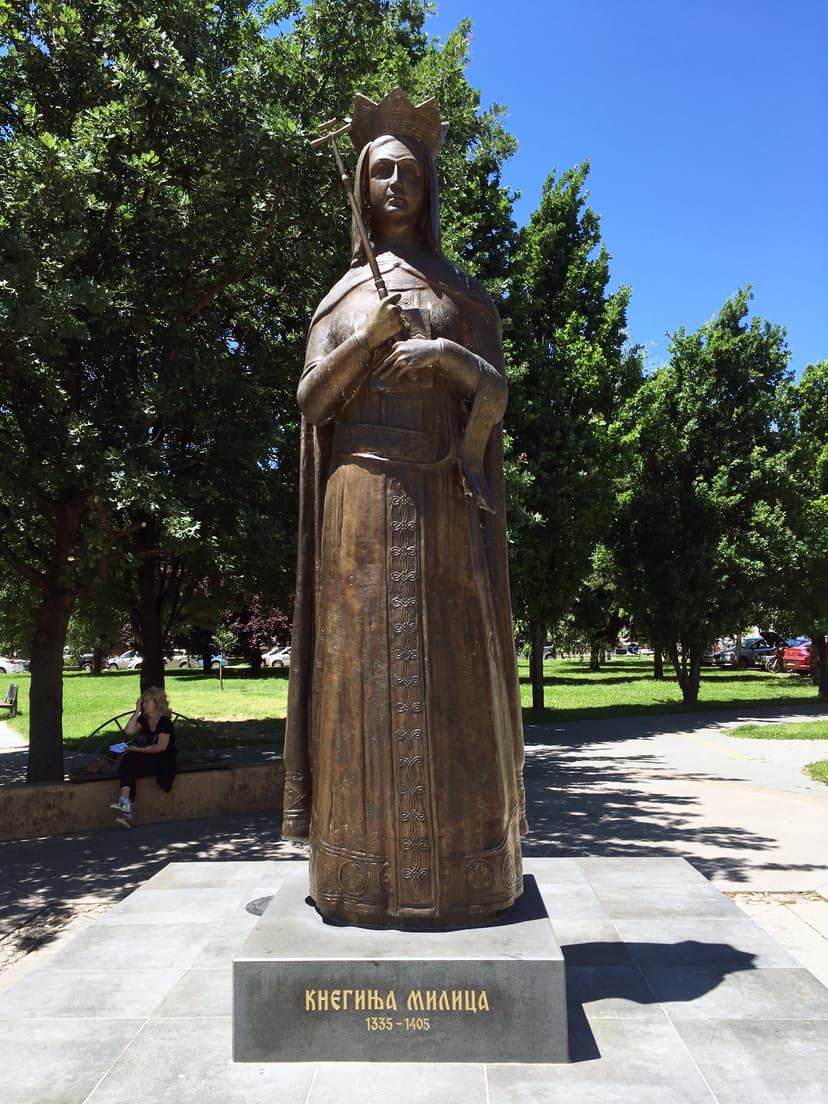
Milica of Serbia
Princess Milica Hrebeljanović, also known as Empress Milica, was a Serbian royal consort and later a nun. She is remembered for her strong personality, her regency over Serbia following her husband Prince Lazar's death at the Battle of Kosovo, and her literary works, including "A Mother's Prayer".
Peter of Koriša
Petar Koriški was the first hermit saint of Medieval Serbia, known as an ascetic wonderworker. He lived in a cave on Rusenica mountain, gaining fame for his healing abilities and ascetic life. His cult was later popularized by Teodosije the Hilandarian, who wrote "The Life of Petar of Koriša."
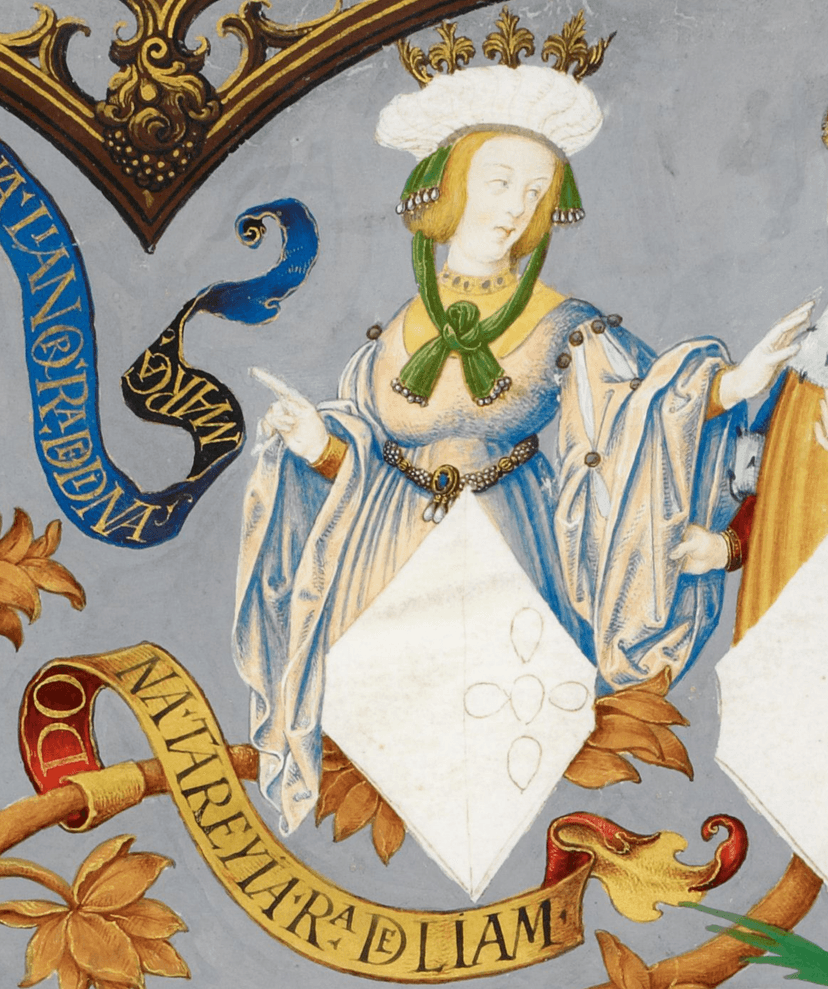
Theresa of Portugal
Theresa of Portugal was the Queen of León as the first wife of King Alfonso IX of León. After their marriage was annulled due to consanguinity, she retired to the Monastery of Lorvão, which she transformed into a Cistercian convent. She is remembered for her role in negotiating the succession of the throne of León and for her later monastic life.