
Peter of Koriša
Petar Koriški was the first hermit saint of Medieval Serbia, known as an ascetic wonderworker. He lived in a cave on Rusenica mountain, gaining fame for his healing abilities and ascetic life. His cult was later popularized by Teodosije the Hilandarian, who wrote "The Life of Petar of Koriša."
Key Facts
- ›He was the first hermit saint of Medieval Serbia.
- ›He lived as an ascetic wonderworker in a cave on Rusenica mountain.
- ›He was born in Ujmir and died in the town of Korishë.
- ›He and his sister joined a monastic community after their parents' death.
- ›The Serbian Orthodox Church venerates him on June 5.
- ›Teodosije the Hilandarian popularized his life and cult in a 1310 work.
About Peter of Koriša
Petar Koriški
Petar Koriški, also known as Petar of Koriša, stands as the first hermit saint of the Medieval Kingdom of Serbia. He lived during the 13th century and gained renown as an ascetic wonderworker, drawing people to his cave on Rusenica mountain within the Šar Mountains range. His life and miracles fostered a significant "Cult of Petar of Koriša" among his people.
Biography and Life
Born in the village of Ujmir, located southwest of Peja, Petar Koriški later died in the town of Korishë, situated in Prizren, Kosovo. Following the death of their parents, both Petar and his sister entered a monastic community before eventually choosing to live as hermits. Historical accounts suggest Petar possessed healing abilities, and those who sought his aid brought him widespread fame.
Veneration and Legacy
The Serbian Orthodox Church honors Petar Koriški with a feast day on June 5 (Julian Calendar). His veneration is notable because he was neither a state ruler nor the head of the Church, making him an exception in the recognized saints of the Serbian Orthodox tradition. His spiritual significance and story were further cemented in the following century when Teodosije the Hilandarian wrote "The Life of Petar of Koriša" in 1310. This work, characterized by its narrative style resembling a novel, was instrumental in popularizing Petar's ascetic life and his reputation as a miracle worker.
Source: Wikipedia ↗
Frequently Asked Questions
Who was Petar Koriški?
Petar Koriški was the first hermit saint of Medieval Serbia, renowned as an ascetic wonderworker. He lived in a cave on Rusenica mountain, gaining fame for his healing abilities.
When is Petar Koriški venerated?
The Serbian Orthodox Church venerates Petar Koriški on June 5, according to the Julian Calendar.
Where did Petar Koriški live?
Petar Koriški lived as a hermit in a cave on Rusenica mountain, part of the Šar Mountains range. He was born in Ujmir and died in Korishë.
What is significant about Petar Koriški's sainthood?
He holds the distinction of being the first hermit saint recognized by the Medieval Kingdom of Serbia. An exception was made by the Serbian Orthodox Church for his veneration, as he was neither a state ruler nor head of the Church.
Who popularized the cult of Petar Koriški?
Teodosije the Hilandarian played a key role in popularizing Petar Koriški's cult. He wrote "The Life of Petar of Koriša" in 1310, a work noted for its novelistic characteristics.
Related Saints
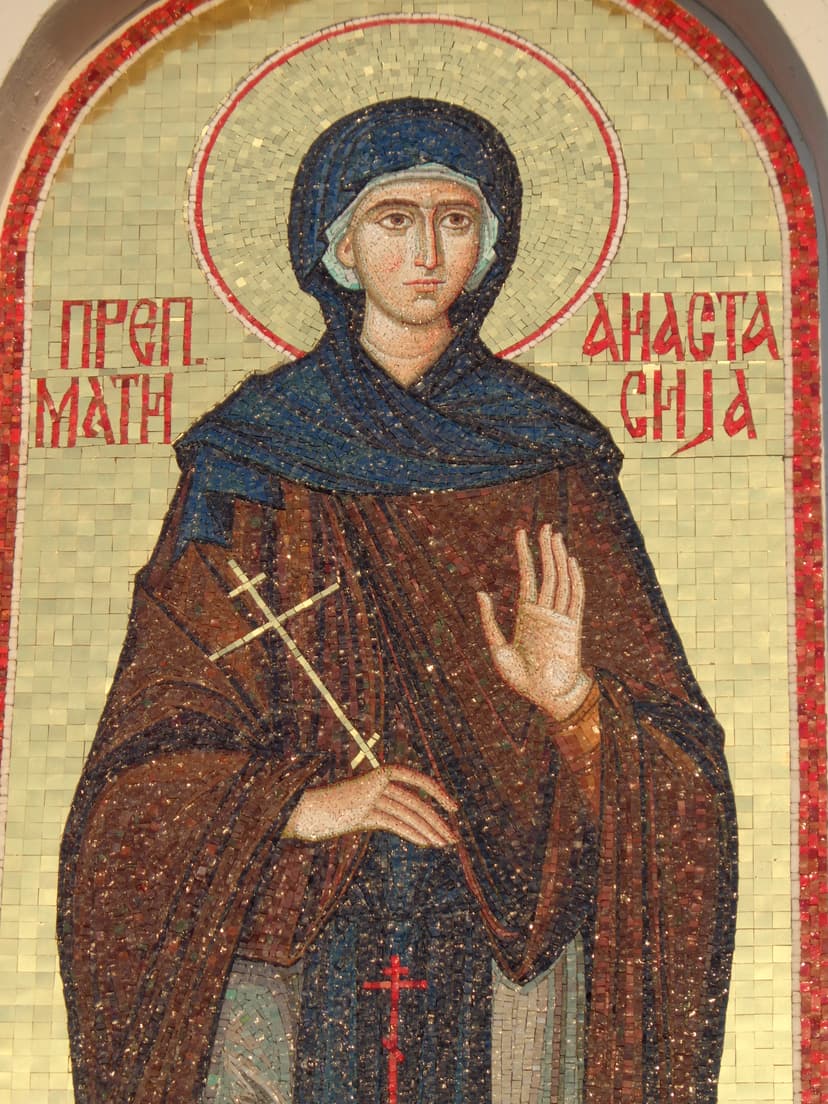
Anastasia of Serbia
Anastasia was the princess consort of the Serbian Principality as the wife of Stefan Nemanja. She is venerated as a saint in the Eastern Orthodox Church, particularly the Serbian Orthodox Church, where she is remembered for her humble and pious character. After taking monastic vows, she became known as Anastasija, after Anastasia of Sirmium.
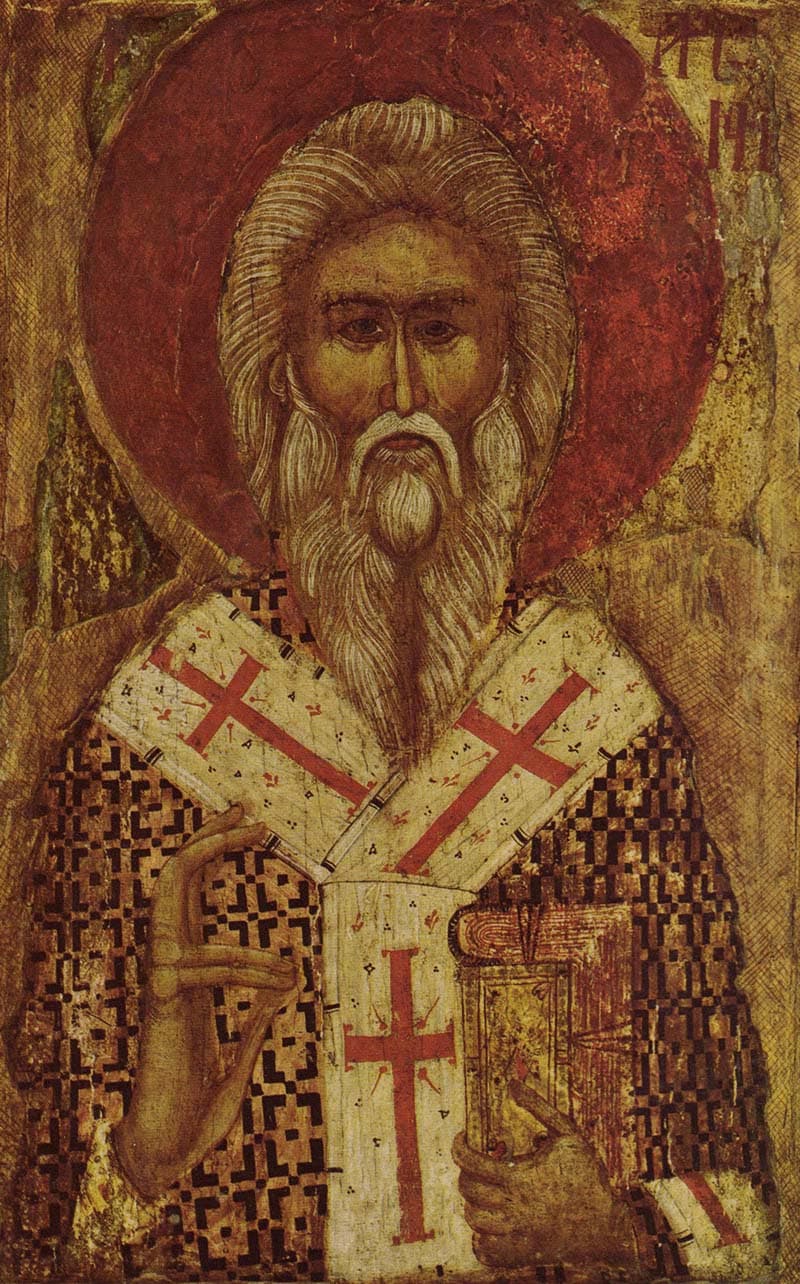
Arsenius I the Syrmian
Arsenius the Syrmian was the second Serbian Archbishop, serving from 1233 to 1263. He was a devoted disciple of Saint Sava of Serbia and played a significant role in the development of the Serbian Orthodox Church. Arsenius is remembered for establishing a new episcopal see at Peć and contributing to the construction of several important monasteries.
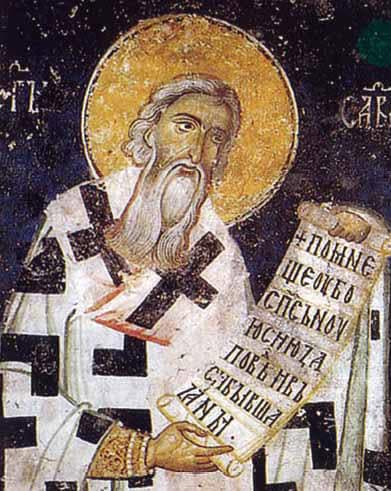
Sava of Serbia
Saint Sava was a Serbian prince and Eastern Orthodox monk, the first Archbishop of the autocephalous Serbian Church, and a key figure in Serbian history, literature, and law. He is revered for his role in establishing the Serbian Orthodox Church's independence and for his extensive writings that shaped Serbian medieval literature and legal codes. Sava is widely considered the most important figure in Serbian history and is venerated as the patron saint of Serbia.