
Sophrony of Essex
Sophrony of Essex was a Russian-born archimandrite and ascetic monk, revered as a disciple of Silouan the Athonite and founder of the Patriarchal Stavropegic Monastery of St. John the Baptist in England. He is remembered for his spiritual autobiography, "We Shall See Him as He Is," which detailed the mystical life of Orthodox asceticism, and for his canonization by the Ecumenical Patriarchate of Constantinople in 2019.
Key Facts
- ›Born Sergiy Symeonovich Sakharov in Russia on September 22, 1896.
- ›Studied art before turning to Orthodox Christianity and theological study.
- ›Became a disciple of Silouan the Athonite on Mount Athos.
- ›Founded the Monastery of St. John the Baptist in Tolleshunt Knights, Essex, England.
- ›Authored the influential spiritual autobiography "we shall See Him as he is."
- ›Canonized as a saint by the Ecumenical Patriarchate of Constantinople on November 27, 2019.
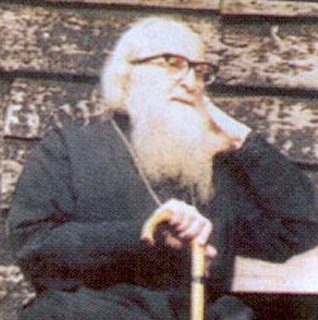
Sophrony the Athonite, Saint Sophrony, Elder Sophrony, Father Sophrony, Sergiy Symeonovich Sakharov
About Sophrony of Essex
Sophrony of Essex (born Sergiy Symeonovich Sakharov, September 22, 1896 – July 11, 1993) was a Russian-born Orthodox Christian archimandrite, esteemed as one of the most significant ascetic monks of the 20th century. His life's work profoundly impacted Orthodox spirituality, particularly through his discipleship of Silouan the Athonite and his establishment of a prominent monastery in England.
Early Life and Spiritual Awakening
Born into a devout Orthodox family in Russia, Sakharov displayed an early spiritual sensitivity and artistic talent. He studied at art academies before experiencing a period of spiritual searching that led him away from Orthodox practice. This journey included exploration of Indian mystical traditions. However, a profound realization of the ontological necessity of personal love for God led him back to Christianity on Great Saturday in 1924. This experience was accompanied by a powerful manifestation of the Uncreated Light, which marked a turning point in his life, leading him to distance himself from his artistic pursuits and embrace a more ascetic path.
Monastic Life and Discipleship
In 1921, Sakharov left Russia, eventually settling in Paris, where he briefly studied at the St. Sergius Orthodox Theological Institute. Finding formal theological study unfulfilling, he journeyed to Mount Athos in 1926, entering the Monastery of St. Panteleimon. There, he became a devoted disciple of Silouan the Athonite, whose lived theology became a cornerstone of Sophrony's own spiritual understanding. Following Silouan's death in 1938, Sophrony embraced a more solitary ascetic life in the Athonite desert, deepening his prayer life and serving as a spiritual father to many.
Founding a Monastery and Theological Contributions
Circumstances eventually led Sophrony to Paris again in 1947, where he continued his spiritual work and began compiling the teachings of Silouan. In 1948, he produced the first edition of "Staretz Silouan," a work that would bring significant attention to Silouan's spiritual legacy. By 1958, the community around Sophrony had grown, leading to the establishment of the Monastery of St. John the Baptist in Tolleshunt Knights, Maldon, Essex, England, in 1959. This monastery became a significant center for Orthodox monastic life in the West. Towards the end of his life, Sophrony published his spiritual autobiography, "We Shall See Him as He Is," offering a deeply personal and revealing account of Orthodox mystical asceticism. His theological contributions are characterized by a profound understanding of theosis, the concept of God-forsakenness, and the interconnectedness of humanity, often contrasted with Western philosophical approaches.
Canonization and Legacy
Sophrony of Essex died on July 11, 1993, and was buried at the monastery he founded. His spiritual insights and writings have continued to influence Orthodox Christians and others interested in contemplative life. On November 27, 2019, the Ecumenical Patriarchate of Constantinople officially recognized his sanctity, canonizing him as Saint Sophrony the Athonite, solidifying his place as a revered figure in contemporary Orthodox spirituality.
Source: Wikipedia ↗
Frequently Asked Questions
Who was Sophrony of Essex?
Sophrony of Essex, born Sergiy Symeonovich Sakharov in Russia, was a renowned archimandrite and ascetic monk. He is celebrated as a disciple of Saint Silouan the Athonite and as the founder of the Patriarchal Stavropegic Monastery of St. John the Baptist in England.
What is Sophrony of Essex best known for?
He is primarily known for his profound spiritual autobiography, "We Shall See Him as He Is," which explores the mystical dimensions of Christian Orthodox asceticism through his own experiences. He also compiled and published the works of his spiritual father, Silouan the Athonite.
When was Sophrony of Essex canonized?
Sophrony of Essex was canonized as a saint by the Ecumenical Patriarchate of Constantinople on November 27, 2019. This recognized his significant contributions to Orthodox spirituality and ascetic life.
What was Sophrony's early life like before becoming a monk?
Born into an Orthodox family in Russia, Sergiy Symeonovich Sakharov displayed artistic talent, studying at art academies. He experienced early spiritual insights but also explored other mystical traditions before returning to Christianity and eventually pursuing monastic life.
What role did Mount Athos play in Sophrony's life?
Sophrony arrived at Mount Athos in 1926, seeking spiritual guidance and learning to pray. It was there he became a disciple of Silouan the Athonite, a pivotal relationship that profoundly shaped his theological development and ascetic path.
What is the significance of the Monastery of St. John the Baptist?
Founded by Sophrony in Essex, England, the Monastery of St. John the Baptist became a significant center for Orthodox monasticism in the West. It provided a spiritual home for both monks and nuns and served as a base for the dissemination of Orthodox teachings.
Related Saints
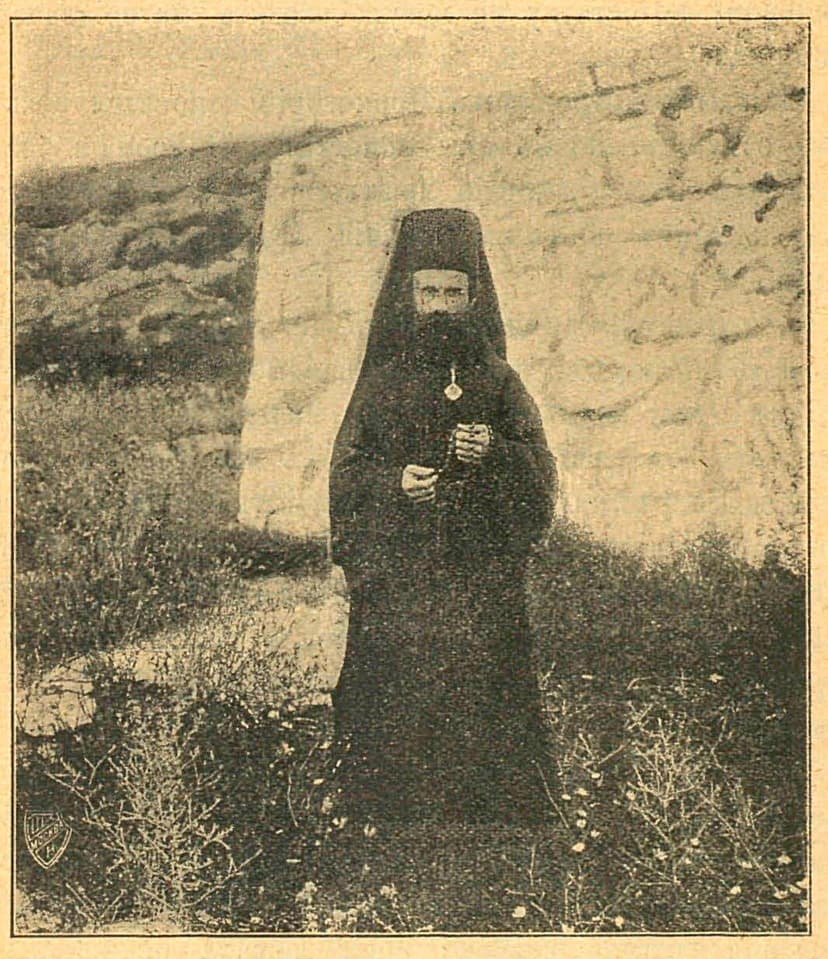
Simeon of Dajbabe
Simeon of Dajbabe, born Savo Popović, was a Serbian Orthodox hieromonk and the founder of the Dajbabe Monastery in Montenegro. He is remembered for his ascetic life, believed spiritual gifts, and his foresight regarding World War II. He was officially canonized by the Serbian Orthodox Church in 2010.
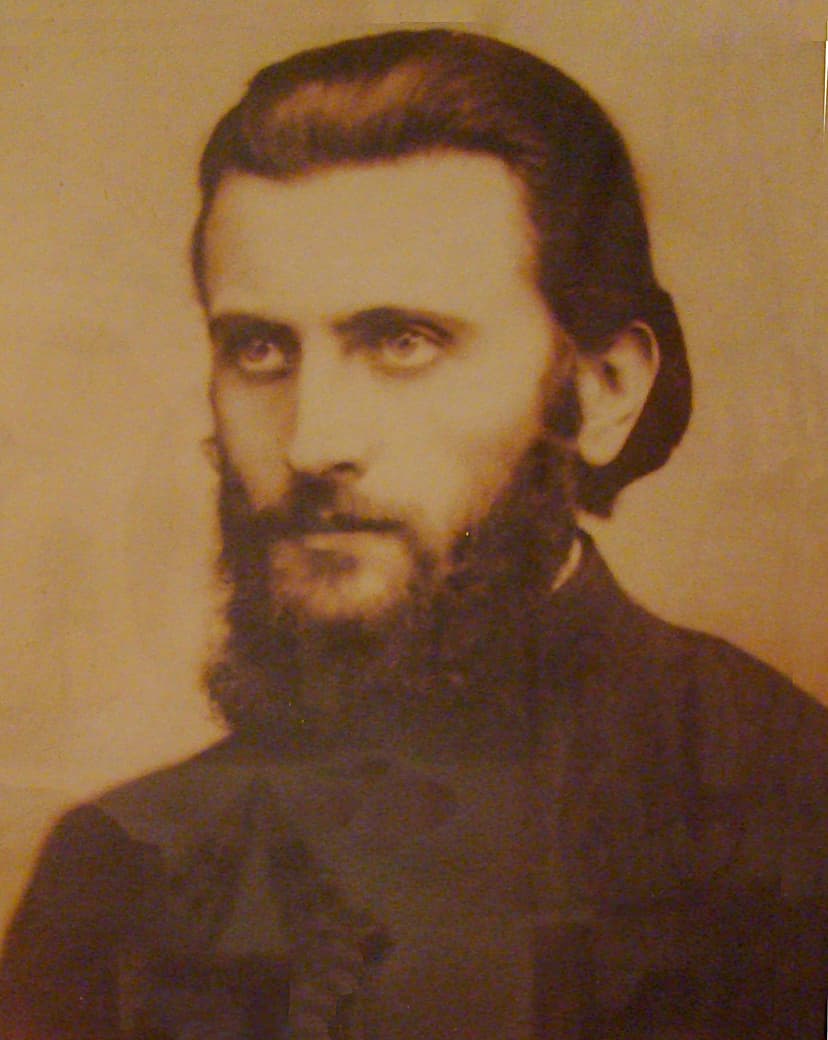
Arsenie of Prislop
Arsenie of Prislop was a Romanian priest, theologian, mystic, and artist who faced persecution by the Romanian Communist Party. He is venerated as a saint in the Romanian Orthodox Church and is remembered for his spiritual teachings and artistic contributions, particularly his religious paintings.
Ephraim of Katounakia
Ephraim of Katounakia was a Greek Orthodox monk venerated on Mount Athos. Known for his deep spirituality and obedience, he became a spiritual follower of Elder Joseph the Hesychast. He is remembered for his charism and his role as a spiritual guide to a group of disciples.