
Ephraim of Katounakia
February 27·20th century·Greece
Ephraim of Katounakia was a Greek Orthodox monk venerated on Mount Athos. Known for his deep spirituality and obedience, he became a spiritual follower of Elder Joseph the Hesychast. He is remembered for his charism and his role as a spiritual guide to a group of disciples.
Key Facts
- ›His secular name was Evangelos Papanikitas.
- ›He was born on December 6, 1912, in Abelochori, Boeotia, Greece.
- ›He became a monk on September 14, 1933, at Katounakia on Mount Athos.
- ›He was ordained a priest in 1936.
- ›He was known as 'the Charismatic Submissive' due to his obedience.
- ›He died on February 27, 1998, and was canonized in 2020.
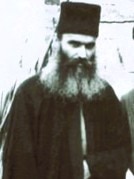
Efrem Katounakiotis, Ephraim Katounakiotis, Evangelos Papanikitas
About Ephraim of Katounakia
Ephraim of Katounakia, born Evangelos Papanikitas, was a prominent Greek Orthodox monk whose life was dedicated to monasticism on Mount Athos. He was canonized as a saint by the Ecumenical Patriarchate of Constantinople on March 9, 2020, with his feast day observed on February 27.
Life and Historical Context
Born on December 6, 1912, in the village of Abelochori, Boeotia, Greece, to a peasant family, Evangelos Papanikitas experienced health challenges in his youth. His interest in monastic life emerged early. On September 14, 1933, he embraced monasticism, moving to Katounakia on Mount Athos, a region known as the "desert of Mount Athos." He initially received the name Longinus and was later tonsured a monk and renamed Ephraim in 1935. The following year, he was ordained a priest.
Ephraim of Katounakia became a spiritual disciple of the renowned Elder Joseph the Hesychast, whose teachings profoundly influenced his spiritual path. He was also known for his exceptional obedience to his elder, Nikephoros, earning him the nickname "the Charismatic Submissive." Following the death of Elder Nikephoros in 1973, Ephraim formed a group of disciples, guided by Elder Joseph's counsel.
Death and Canonization
Ephraim of Katounakia suffered a stroke in 1996, which left him immobilized. He passed away on February 27, 1998, and was buried in a grave he had personally dug on the grounds of his cell. His holiness was formally recognized by the Church when Ecumenical Patriarch Bartholomew announced his canonization on October 20, 2019, alongside other significant 20th-century Athonite elders.
Source: Wikipedia ↗
Frequently Asked Questions
When was Ephraim of Katounakia born?
Ephraim of Katounakia was born on December 6, 1912. His secular name was Evangelos Papanikitas.
What is Ephraim of Katounakia known for?
He is known as a Greek Orthodox monk who lived on Mount Athos. He is venerated for his deep spirituality, his obedience to his elders, and his role as a spiritual guide.
When did Ephraim of Katounakia die and when was he canonized?
Ephraim of Katounakia died on February 27, 1998. He was canonized as a saint by the Ecumenical Patriarchate of Constantinople on March 9, 2020.
What was his monastic community on Mount Athos?
He lived at the hermitage of Saint Ephrem the Syrian in Katounakia, often referred to as the 'desert of Mount Athos'.
Who was his spiritual elder?
Ephraim of Katounakia became a spiritual follower of the famous Elder Joseph the Hesychast, after receiving permission from his own Elder Nikephoros.
Related Saints
Daniel of Katounakia
Daniel of Katounakia was a Greek Orthodox monk and hagiographer who lived on Mount Athos. He is remembered as the founder of the Danielaioi Brotherhood, a monastic community that continues his legacy. Canonized in 2020, Daniel is venerated for his spiritual teachings and contributions to Orthodox monasticism.
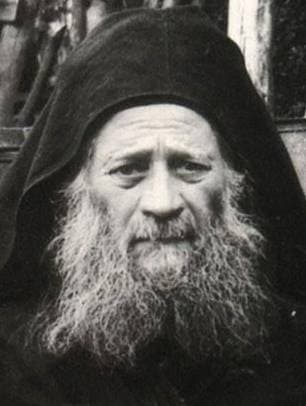
Joseph the Hesychast
Joseph the Hesychast was a Greek Orthodox monk and elder who led a small group of monks at Mount Athos. He is remembered for his ascetic lifestyle, spiritual guidance, and significant role in the revival of monasticism. He was canonized as a saint by the Ecumenical Patriarchate of Constantinople in 2020.
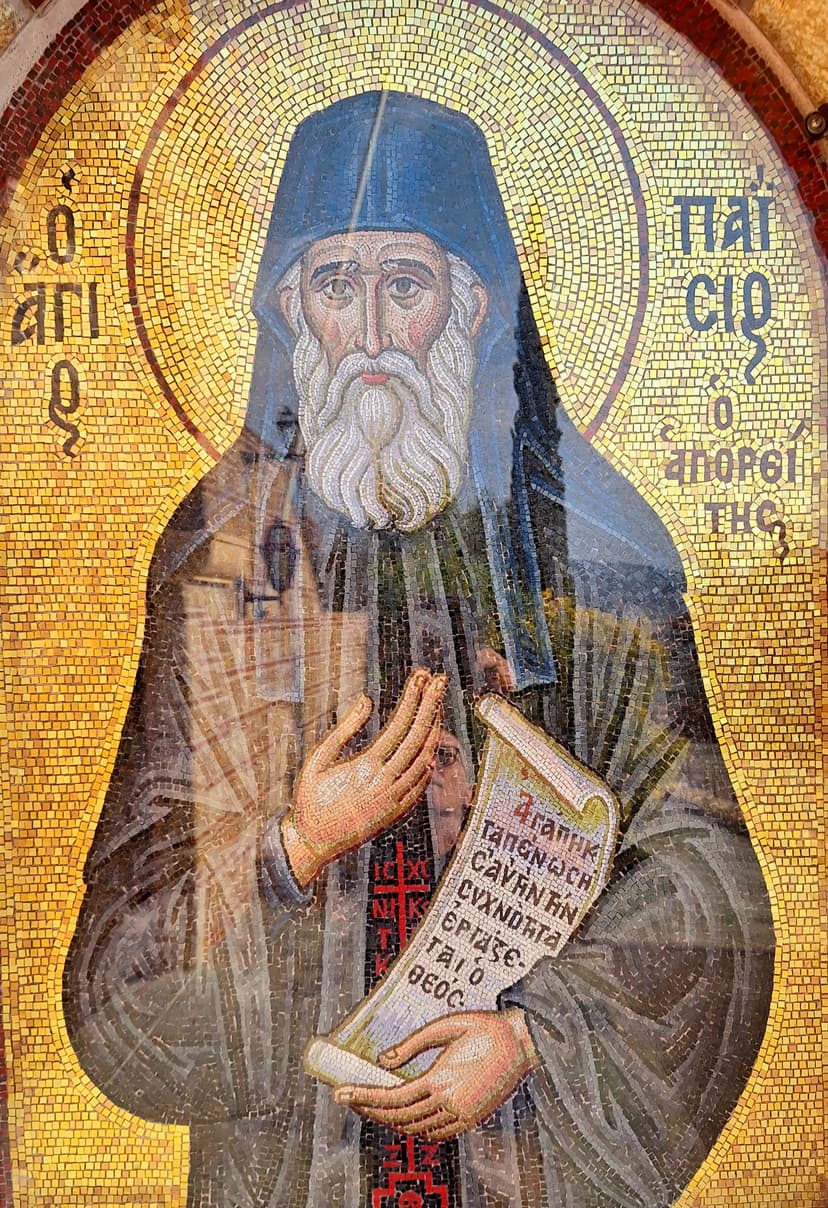
Paisius of Mount Athos
Saint Paisios of Mount Athos was a Greek Eastern Orthodox ascetic widely venerated for his spiritual teachings and prophecies. He is remembered for his humble life of prayer, his care for the poor, and his canonization in 2015. His legacy includes numerous spiritual writings and a significant following among Eastern Orthodox Christians.