
Joseph the Hesychast
August 16·20th century·Greece
Joseph the Hesychast was a Greek Orthodox monk and elder who led a small group of monks at Mount Athos. He is remembered for his ascetic lifestyle, spiritual guidance, and significant role in the revival of monasticism. He was canonized as a saint by the Ecumenical Patriarchate of Constantinople in 2020.
Key Facts
- ›Joseph the Hesychast was born Fragkiskos Kottis on February 12, 1897, on the island of Paros, Greece.
- ›He became a monk at Mount Athos in 1921, seeking a more ascetic life.
- ›He was known for his deep prayer life and guidance of disciples, including Arsenios the Cave Dweller.
- ›Joseph played a crucial role in the repopulation of several monasteries on Mount Athos.
- ›He died on August 15, 1959, from heart failure.
- ›He was canonized as a saint by the Ecumenical Patriarchate of Constantinople in 2020.
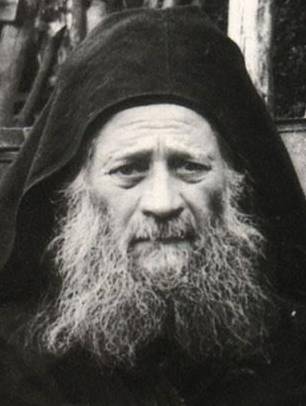
Fragkiskos Kottis, Joseph of Vigla
About Joseph the Hesychast
Joseph the Hesychast (born Fragkiskos Kottis, 1897–1959) was a significant figure in 20th-century Greek Orthodox monasticism. He is venerated as a saint for his rigorous asceticism, profound spiritual guidance, and his role in revitalizing monastic communities on Mount Athos. His life exemplified a deep commitment to prayer and spiritual practice, influencing many who sought his counsel.
Early Life and Monastic Calling
Born on the island of Paros, Joseph's early life was marked by the early death of his father, leaving his mother to raise their seven children. He received a basic education and served in the Greek Navy before working as a vendor. During this time in Athens, he encountered spiritual literature that ignited a passion for the ascetic life. He began intense prayer vigils in natural caves and even trees on Mount Penteli, foreshadowing his later monastic dedication. Around the age of 23, he journeyed to Mount Athos to embrace the monastic path.
Asceticism and Spiritual Leadership
Joseph's monastic journey began at Katounakia within Mount Athos, where he joined the Danielaioi Brotherhood. Seeking a more solitary and severe asceticism, he eventually moved to more remote areas. He met Arsenios the Cave Dweller, who became a lifelong disciple and spiritual companion. Together, they sought guidance from elders Ephraim and Joseph. Joseph was tonsured a monk in 1925, taking the name Joseph of Vigla. For years, he and Arsenios engaged in intensive fasting, prayer, and spiritual practice, experiencing divine grace. Joseph eventually agreed to guide other monks seeking a disciplined ascetic life, forming a small brotherhood. This group later settled at Little St. Anne's Skete and subsequently at the New Skete.
Disciples and Legacy
Among Joseph's notable disciples were Sophronios and Ephraim, who went on to hold significant positions within monasticism. Ephraim, in particular, became the abbot of the Monastery of Philotheou and later founded numerous monasteries in the United States and Canada. Joseph's spiritual teachings and experiences are preserved in his extensive correspondence, published as letters, and in various books. He is also known for advocating the continuous practice of the Jesus Prayer, a central element of Athonite spirituality.
Death and Canonization
Joseph the Hesychast died on August 15, 1959, from heart failure, having reportedly been informed of the exact time of his passing by the Virgin Mary. He was buried at the New Skete on Mount Athos. His relics are now kept in various monasteries, including St. Anthony's Greek Orthodox Monastery in Florence, Arizona. In recognition of his holiness and spiritual contributions, the Ecumenical Patriarchate of Constantinople officially canonized him as a saint on March 9, 2020. His feast day is celebrated on August 16.
Source: Wikipedia ↗
Frequently Asked Questions
When and where was Joseph the Hesychast born?
Joseph the Hesychast was born Fragkiskos Kottis on February 12, 1897, in Lefkes, a village on the Greek Aegean island of Paros.
What led Joseph the Hesychast to become a monk?
While working as a vendor in Piraeus and Athens, Joseph began reading about the lives of saints and ascetics, which inspired him to pursue a monastic life on Mount Athos.
Who were some of Joseph the Hesychast's notable disciples?
Notable disciples included Arsenios the Cave Dweller, Sophronios (later elder of Monastery of Vatopedi), Ephraim (later abbot of Monastery of Philotheou and founder of U.S. monasteries), and Haralambos (later abbot of Dionysiou Monastery).
What is Joseph the Hesychast's contribution to monasticism?
He led a small group of monks, fostering an ascetic lifestyle and providing spiritual guidance. His influence was instrumental in the repopulation of six monasteries on Mount Athos and many nunneries in Greece.
When and how did Joseph the Hesychast die?
Joseph the Hesychast died from heart failure on August 15, 1959, the day after attending a vigil for the Dormition of the Virgin Mary.
When was Joseph the Hesychast canonized?
Joseph the Hesychast was canonized as a saint by the Ecumenical Patriarchate of Constantinople on March 9, 2020.
Related Saints
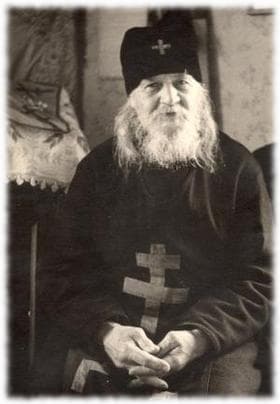
John of Valamo
Schema-Igumen John, born Ivan Alekseyevich Alekseyev, was a Russian monk and head of the Petsamo Monastery who is venerated as St. John of Valamo. He is remembered for his deep spiritual guidance, his quiet dignity during times of hardship, and his published letters offering spiritual advice. His canonization by the Finnish Orthodox Church in 2019 solidified his status as a significant spiritual figure.
Daniel of Katounakia
Daniel of Katounakia was a Greek Orthodox monk and hagiographer who lived on Mount Athos. He is remembered as the founder of the Danielaioi Brotherhood, a monastic community that continues his legacy. Canonized in 2020, Daniel is venerated for his spiritual teachings and contributions to Orthodox monasticism.
Athanasia of Aegina
Athanasia of Aegina was a Byzantine saint and abbess, known for her ascetic life and the establishment of a convent. She is remembered for her devotion, charitable works, and the miracles attributed to her, particularly after her death.