
Paisius of Mount Athos
July 12·20th century·Greece
Saint Paisios of Mount Athos was a Greek Eastern Orthodox ascetic widely venerated for his spiritual teachings and prophecies. He is remembered for his humble life of prayer, his care for the poor, and his canonization in 2015. His legacy includes numerous spiritual writings and a significant following among Eastern Orthodox Christians.
Key Facts
- ›Born Arsenios Eznepides on August 7, 1924, in Pharasa, Cappadocia.
- ›Served as a radio operator in the Hellenic Army during the Greek CIVIL war.
- ›Became a monk on Mount Athos in 1950, later tonsured a Rassophore monk named Averkios, and then given the name Paisios.
- ›Lived in various monasteries and hermitages, including Philotheou Monastery and the Skete of Monastery of Iviron.
- ›Was diagnosed with cancer and died on July 12, 1994, at the Monastery of St. John the Theologian in Souroti.
- ›Canonized by the Ecumenical Patriarchate on January 13, 2015, with his feast day commemorated on July 12.
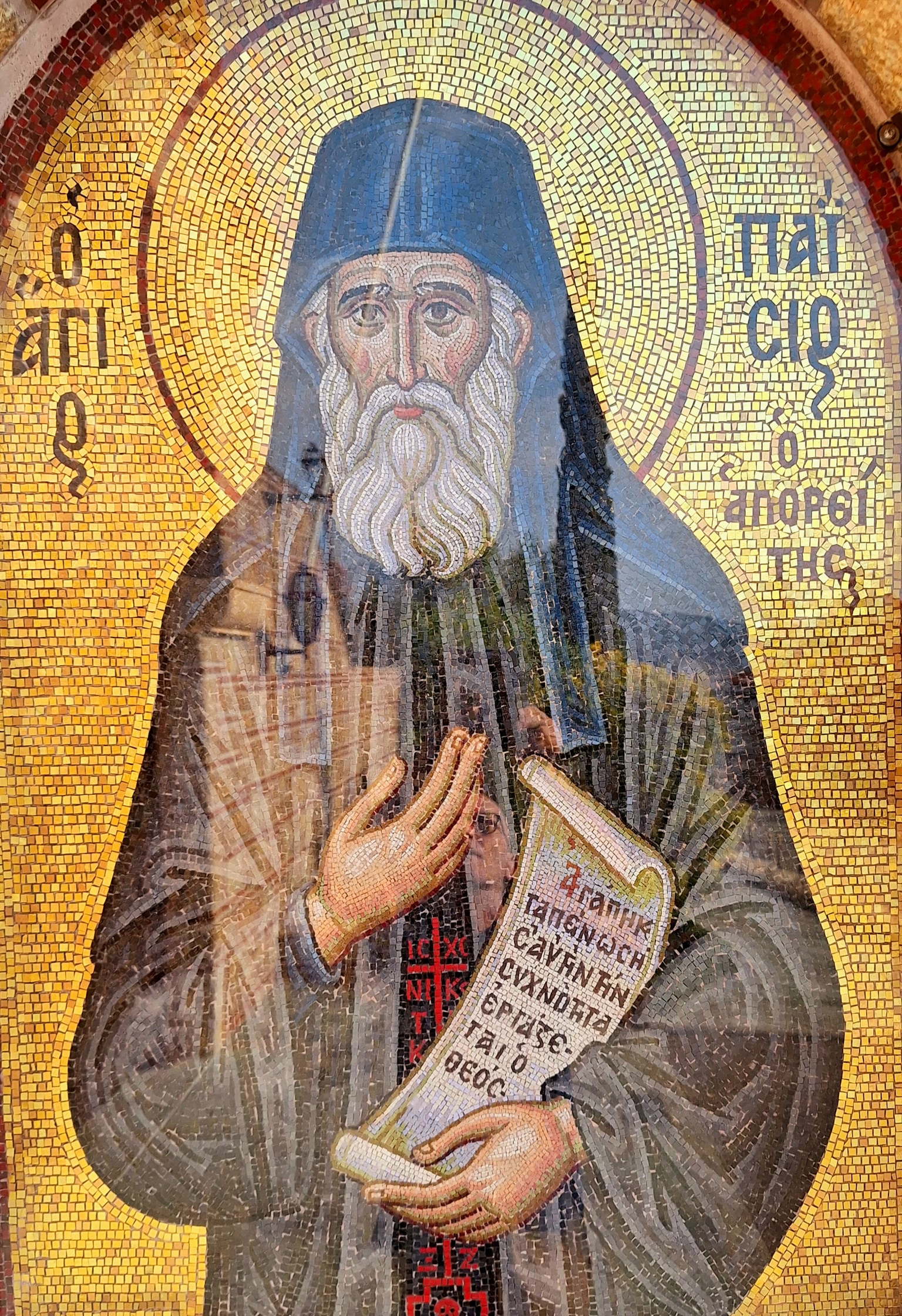
Elder Paisios, Arsenios Eznepides
Military Communications Corps, Australia, Greek Orthodox Archdiocese of Australia
About Paisius of Mount Athos
Paisios of Mount Athos
Saint Paisios of Mount Athos (1924–1994), born Arsenios Eznepides, was a highly revered Greek Eastern Orthodox ascetic. He is widely venerated throughout the Eastern Orthodox world, particularly in Greece, Romania, Bulgaria, Russia, and other Balkan countries. His life was characterized by profound humility, intense prayer, and a deep commitment to spiritual guidance and asceticism.
Early Life and Military Service
Born in Pharasa, Cappadocia, shortly before the population exchange between Greece and Turkey, Arsenios Eznepides and his family eventually settled in Konitsa, Epirus. After completing his schooling, he learned carpentry and developed an interest in Byzantine chant. During the Greek civil war, he served in the Hellenic Army as a radio operator, where he demonstrated bravery and a selfless spirit. He later proclaimed the spiritual significance of monasticism, comparing monks to "God's radio operators."
Monastic Life on Mount Athos
In 1950, Arsenios embarked on his monastic journey, moving to Mount Athos. He was tonsured a monk in 1954, receiving the name Averkios, and later, in 1957, he was given the monastic name Paisios. He lived in various monastic settings, including Philotheou Monastery and the Skete of Monastery of Iviron, dedicating himself to prayer, fasting, and manual labor. He also spent time ministering to faithful in his home region and visiting Saint Catherine's Monastery on Sinai. His later years were spent in the hermitage of Panagouda on Mount Athos, where his reputation for spiritual wisdom grew significantly.
Teachings and Legacy
Paisios of Mount Athos is known for his spiritual counsels, which have been compiled and translated into numerous languages. He is also widely associated with a number of attributed prophecies concerning geopolitical events, though the authenticity of some of these has been debated. Despite these controversies, his canonization by the Ecumenical Patriarchate in 2015 marked a significant recognition of his sanctity. He is remembered for his compassionate approach to spiritual guidance, his emphasis on humility, and his tireless efforts to assist those in need. His relics are venerated at the Monastery of Saint John the Theologian in Souroti, Thessaloniki, where he died and was buried.
Source: Wikipedia ↗
Frequently Asked Questions
When was Saint Paisios of Mount Athos born and where?
He was born Arsenios Eznepides on August 7, 1924, in Pharasa, Cappadocia, which is now part of Turkey. His family later settled in Konitsa, Epirus, Greece.
What was Paisios's early life and military service like?
After completing public school, he learned carpentry and studied Byzantine chant. During the Greek civil war, he served as a radio operator in the Hellenic Army, demonstrating bravery and self-sacrifice.
When did Paisios become a monk and what was his monastic journey?
He went to Mount Athos in 1950 and was tonsured a monk in 1954, receiving the name Averkios, and later Paisios. He lived in various monastic communities and hermitages, dedicating himself to prayer and asceticism.
What is Paisios of Mount Athos remembered for regarding prophecies?
Numerous geopolitical prophecies have been attributed to him, often concerning the future of Greece and Turkey, and the liberation of certain lands. However, the authenticity of some of these claims has been debated, with some associates stating he was largely apolitical.
When was Paisios canonized and what is his feast day?
He was canonized by the Holy Synod of the Ecumenical Patriarchate on January 13, 2015. His feast day is commemorated annually on July 12.
Where are the relics of Saint Paisios of Mount Athos located?
His relics are interred at the Monastery of Saint John the Theologian in Souroti, Thessaloniki, Greece, where he spent his final days and requested to be buried.
Related Saints

Olga of Alaska
Olga of Alaska was a Yup'ik Native American Eastern Orthodox midwife, healer, and matushka who became the first North American woman and the first Yup'ik person to be canonized as an Eastern Orthodox saint. She is remembered for her deep faith, charitable works, and her role as a spiritual counselor, particularly to women. Her canonization in 2025 followed numerous reported miracles and a long period of veneration.
Anna Maria Rubatto
Anna Maria Rubatto, also known as Maria Francesca of Jesus, was an Italian Roman Catholic nun and the founder of the Capuchin Sisters of Mother Rubatto. She is primarily remembered for her extensive charitable work in Uruguay and Argentina, and for her canonization as the first Uruguayan person to be beatified.
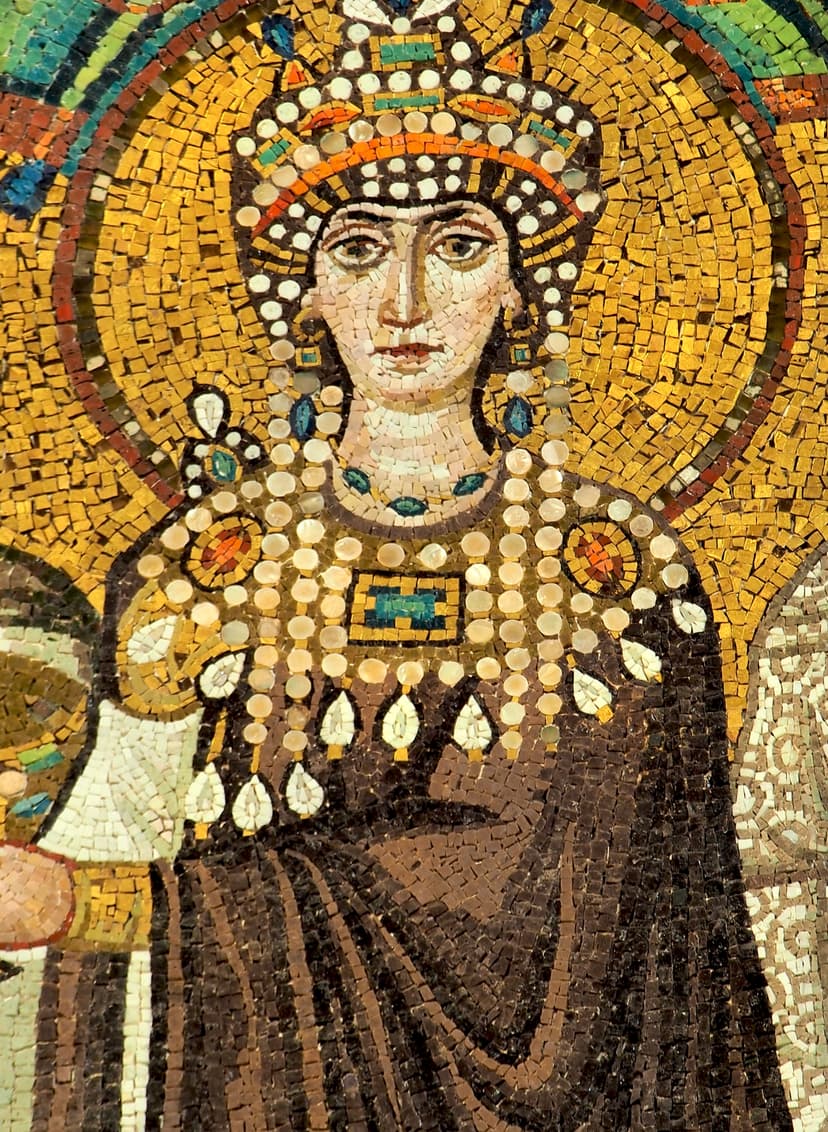
Theodora (wife of Justinian I)
Theodora was the wife of Byzantine Emperor Justinian I and served as Empress from 527 until her death. She is remembered as a formidable political advisor who played a crucial role in quelling the Nika riots and advocating for marginalized groups, particularly women. Revered as a saint in Eastern Orthodox and Oriental Orthodox traditions, she remains an influential figure in history and culture.