
Simeon of Dajbabe
May 2·20th century·Montenegro
Simeon of Dajbabe, born Savo Popović, was a Serbian Orthodox hieromonk and the founder of the Dajbabe Monastery in Montenegro. He is remembered for his ascetic life, believed spiritual gifts, and his foresight regarding World War II. He was officially canonized by the Serbian Orthodox Church in 2010.
Key Facts
- ›Simeon was born Savo Popović on December 19, 1854, in Cetinje, Montenegro.
- ›He studied theology in Kiev and later briefly in France and Switzerland before returning to Russia to become a monk.
- ›He founded the Dajbabe Monastery in a cave in Montenegro and became its first abbot.
- ›Simeon was believed to have possessed gifts of clairvoyance and discernment.
- ›He is said to have foreseen World War II and prayed not to live to see it, dying six days before the invasion of Yugoslavia.
- ›His relics, exhumed in 1996, are believed to exude a pleasant smell and have healing properties.
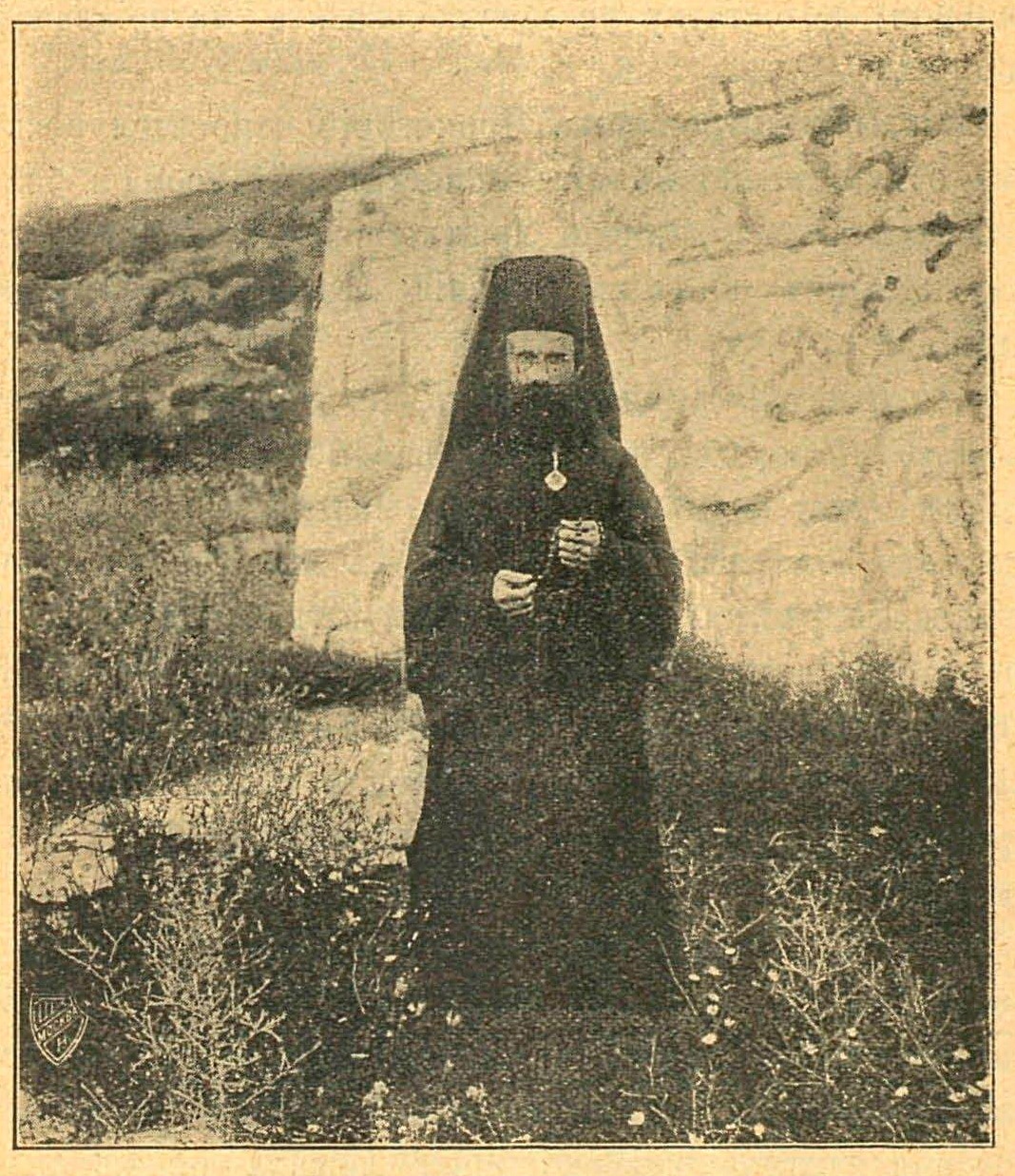
Symeon Popovich, Savo Popović, Little Savo
About Simeon of Dajbabe
Simeon of Dajbabe, born Savo Popović (1854–1941), was a prominent Serbian Orthodox hieromonk, ascetic, and founder of the Dajbabe Monastery in Montenegro. His life was marked by deep spiritual seeking, a return to monasticism after extensive studies, and the establishment of a significant spiritual center.
Life and Historical Context
Born in Cetinje, Montenegro, Savo Popović experienced early family loss and was raised by his grandparents. His education took him to the renowned theological institutions in Kiev, Russia, and he also spent time studying in Western Europe, though his experiences there proved disappointing. He eventually embraced monastic life at the Kiev-Pechersk Lavra, taking the name Symeon. Returning to Montenegro, he served in various monasteries before a prophetic vision led him to discover and restore a cave church, transforming it into the Dajbabe Monastery.
Spiritual Significance
During his time as abbot of Dajbabe Monastery, Simeon was widely regarded as a holy man, even during his lifetime. He was believed to possess extraordinary spiritual gifts, including clairvoyance and discernment. His contemporaries, such as Nikolaj Velimirović and Justin Popović, spoke highly of his spiritual stature. A significant aspect of his legacy is the tradition that he foresaw the devastation of World War II and prayed to be spared witnessing it, a prayer that, according to tradition, was answered as he died shortly before the invasion of Yugoslavia.
Veneration and Legacy
Following his death, veneration for Simeon grew, with Metropolitan Joanikije referring to him as a saint just three years later. In 1996, his relics were exhumed and found to be in a remarkable state, exuding a pleasant fragrance and believed to possess healing powers. Pilgrims continue to gather at the Dajbabe Monastery to venerate his relics. Simeon Popović was officially canonized by the Serbian Orthodox Church on May 2, 2010, as Saint Simeon of Dajbabe, solidifying his place in the Orthodox tradition.
Source: Wikipedia ↗
Frequently Asked Questions
When and where was Simeon of Dajbabe born?
Simeon of Dajbabe, originally named Savo Popović, was born on December 19, 1854, in the Donji Kraj locality of Cetinje, Montenegro.
What was Simeon of Dajbabe's early life like?
His parents divorced soon after his birth, and his father died. He was raised by his paternal grandparents and was affectionately called 'Little Savo' by his family.
What education did Simeon of Dajbabe receive?
He completed his primary education at the Cetinje monastery. Later, he studied at the Theological Seminary and Spiritual Academy in Kiev, Russia.
How did Simeon of Dajbabe found the Dajbabe Monastery?
Inspired by a shepherd's vision of a forgotten church in a cave, Simeon found the cave in Dajbabe and built a church dedicated to the Dormition of the Mother of God, establishing the monastery and becoming its first abbot.
What spiritual gifts were attributed to Simeon of Dajbabe?
After a period of asceticism, Simeon was believed to have gained the gifts of clairvoyance and discernment. He was also considered saintly during his lifetime.
When did Simeon of Dajbabe die and why is it considered significant?
He died on April 1, 1941, just six days before the Axis invasion of Yugoslavia. Tradition holds that he had foreseen the coming war and prayed not to live to witness the suffering of his people.
How is Simeon of Dajbabe venerated today?
Simeon of Dajbabe was officially canonized by the Serbian Orthodox Church in 2010. His relics are kept at the Dajbabe Monastery church, are said to exude a pleasant smell, and are venerated for their believed healing properties.
Related Saints
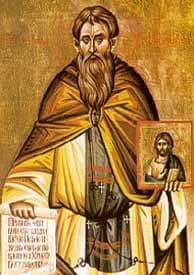
Stephen of Piperi
Stephen of Piperi was a Serbian Orthodox saint known for his ascetic life and spiritual leadership. He is remembered for his devotion and the miracles attributed to his relics, which continue to be venerated.

Isaiah of Onogošt
Isaiah of Onogošt was a Serbian Orthodox monk and ascetic venerated in the Eastern Orthodox Church. He lived in a cave that would later become the site of the Ostrog Monastery, likely seeking refuge from Ottoman occupation. He is remembered for his ascetic life and for the veneration that followed his death.
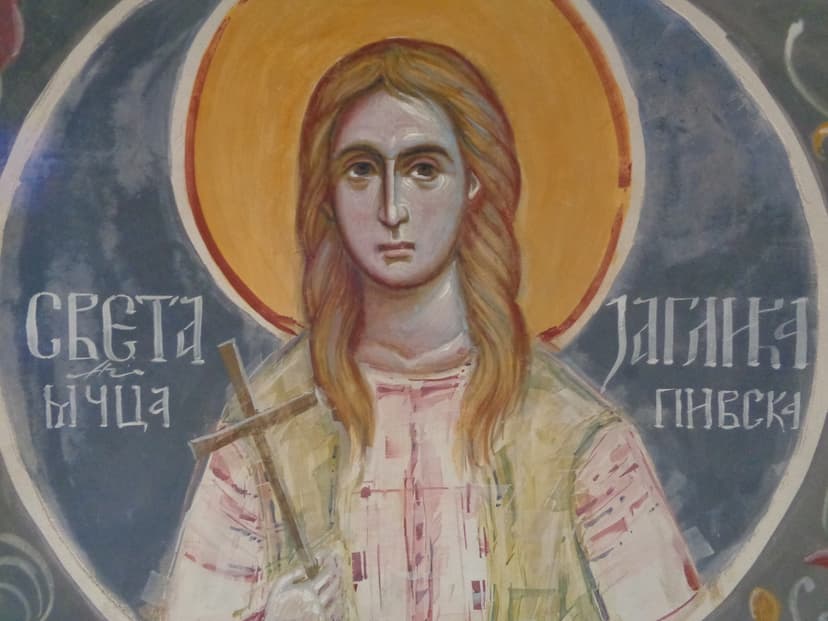
Jaglika of Piva
Jaglika Adžić was a Serbian girl from the village of Gojkovića dol in Montenegro, canonized as a saint by the Serbian Orthodox Church in 2017. She is remembered for her martyrdom during World War II, when she voluntarily jumped into a burning hut to join her family and other villagers killed by German soldiers. Her sacrifice is commemorated by institutions named in her honor.