
Jaglika of Piva
Jaglika Adžić was a Serbian girl from the village of Gojkovića dol in Montenegro, canonized as a saint by the Serbian Orthodox Church in 2017. She is remembered for her martyrdom during World War II, when she voluntarily jumped into a burning hut to join her family and other villagers killed by German soldiers. Her sacrifice is commemorated by institutions named in her honor.
Key Facts
- ›Jaglika ADžIć was born in 1926 in Gojkovića dol, Plužine, Montenegro.
- ›She was baptized by the martyr Jovan Sočica.
- ›Her parents, Stoja and Krsto, and three brothers were among the 60 citizens burned alive in a hut by German soldiers on June 6, 1943.
- ›Jaglika initially escaped but returned upon hearing her brothers' cries.
- ›She broke free from soldiers holding her and jumped into the burning hut.
- ›She was canonized as a saint by the Serbian Orthodox Church in 2017.
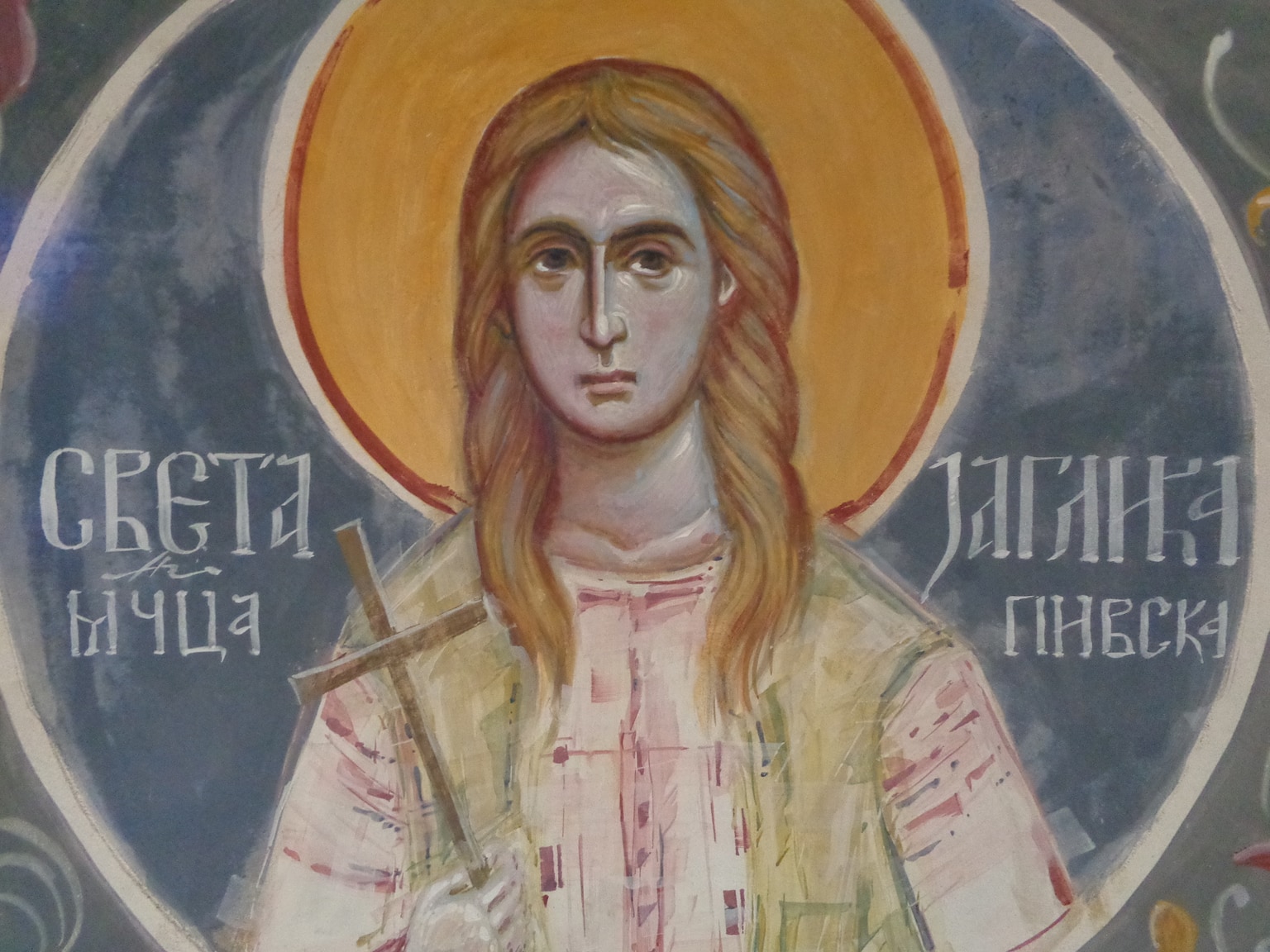
Jaglika Adžić
About Jaglika of Piva
Jaglika Adžić, now venerated as Saint Jaglika of Piva, was a young Serbian girl born in 1926 in Gojkovića dol, near Plužine in Montenegro. Her life was tragically cut short on June 6, 1943, during the horrific events of the Doli Pivski massacre, an atrocity perpetrated by the 7th SS Volunteer Mountain Division Prinz Eugen. The Serbian Orthodox Church recognized her sacrifice and canonized her as a saint in 2017.
Life and Historical Context
Born as the second of eight children, Jaglika was baptized by Jovan Sočica, who was himself later recognized as a martyr. Her family resided in Gojkovića dola, a village that became a site of immense suffering. On June 6, 1943, German and Ustashi forces burned approximately 60 citizens of Pivlja in a hut. Among the victims were Jaglika's parents, Stoja and Krsto, and three of her brothers: the two-year-old twins Dušan and Momčilo, and eight-year-old Milorad.
Jaglika was part of a group that managed to escape the initial attack and reach the safety of the forest. However, upon hearing the cries of her family and the other victims trapped inside the burning hut, she made the courageous decision to return. Accounts suggest that German soldiers attempted to prevent her from entering, but Jaglika broke free from their grasp and voluntarily jumped into the inferno to be with her family. This act of profound love and sacrifice is the central event in her hagiography.
Legacy
Jaglika's martyrdom has been formally recognized by the Serbian Orthodox Church, which canonized her in 2017. Her memory is preserved through public tributes, including a plaque erected at the site of the tragedy by SUBNOR Plužine. Furthermore, a kindergarten in Plužine and a street in Podgorica bear her name, serving as lasting reminders of her sacrifice and the suffering endured by her community. Her story is often invoked in discussions of wartime atrocities and the resilience of faith in the face of unimaginable loss.
Source: Wikipedia ↗
Frequently Asked Questions
When was Jaglika of Piva born?
Jaglika Adžić was born in 1926 in Gojkovića dol, Plužine, Montenegro.
How did Jaglika of Piva die?
During the Doli Pivski massacre on June 6, 1943, Jaglika's family and many villagers were burned alive in a hut by German soldiers. After initially escaping, Jaglika returned, broke free from soldiers who tried to restrain her, and jumped into the burning hut to be with her family.
Who canonized Jaglika of Piva as a saint?
Jaglika Adžić was canonized as a saint by the Serbian Orthodox Church in 2017.
What is Jaglika of Piva remembered for?
She is remembered for her martyrdom during World War II and her selfless act of joining her family in the fire. Her bravery in the face of extreme violence is the primary reason for her veneration.
Are there any places named after Jaglika of Piva?
Yes, a kindergarten in Plužine and a street in Podgorica are named in her honor, reflecting her local and national recognition.
Related Saints
Kizito
Saint Kizito was one of the Martyrs of Uganda and the youngest martyr killed by King Mwanga II of Buganda. He was baptized shortly before his death and burned alive in 1886. He is now canonized and considered the patron saint of children and primary schools.
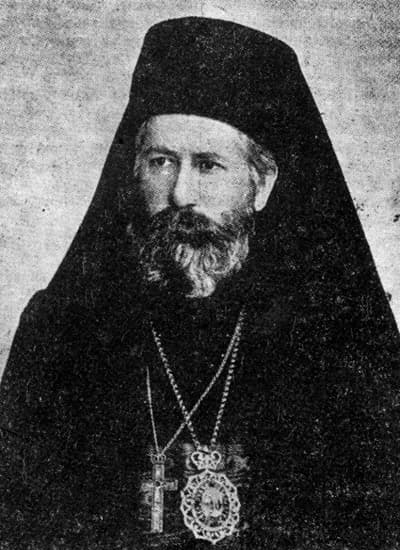
Joannicius I of Montenegro
Joannicius I of Montenegro was the Metropolitan of the Diocese of Montenegro and the Littoral. He is remembered for his collaboration with occupying Axis powers during World War II and his subsequent execution by Communist-led Yugoslav Partisans. Posthumously canonized by the Serbian Orthodox Church, he was recognized as a saint in 1999.
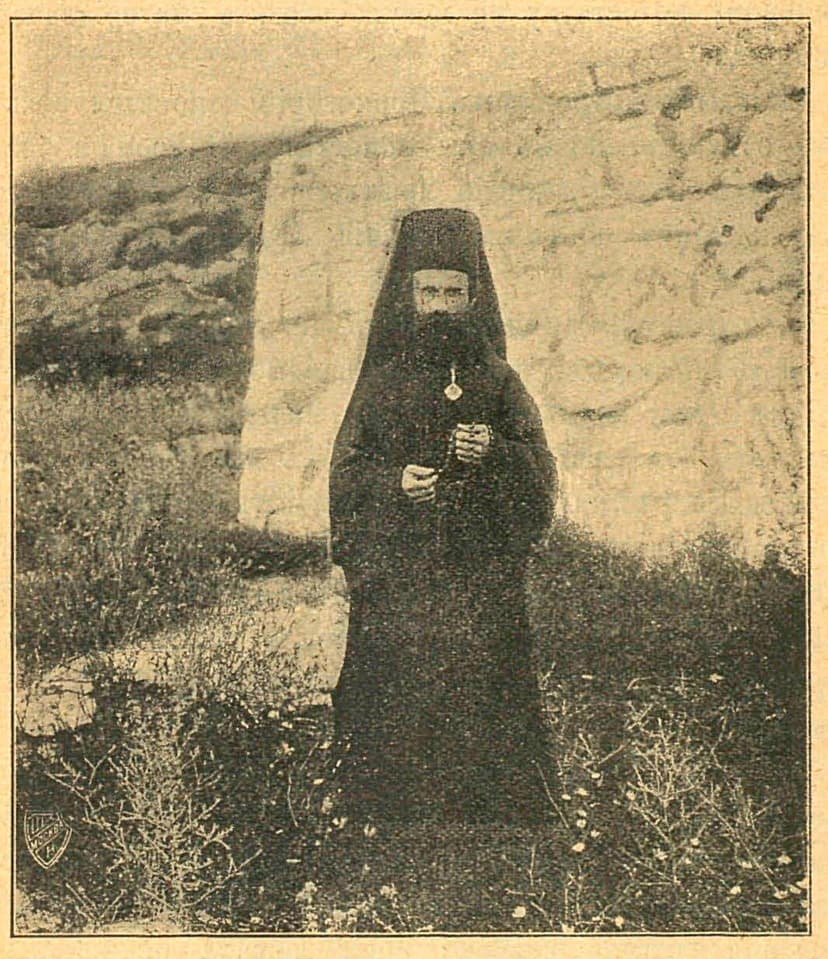
Simeon of Dajbabe
Simeon of Dajbabe, born Savo Popović, was a Serbian Orthodox hieromonk and the founder of the Dajbabe Monastery in Montenegro. He is remembered for his ascetic life, believed spiritual gifts, and his foresight regarding World War II. He was officially canonized by the Serbian Orthodox Church in 2010.