
Isaiah of Onogošt
May 11·17th century·Montenegro
Isaiah of Onogošt was a Serbian Orthodox monk and ascetic venerated in the Eastern Orthodox Church. He lived in a cave that would later become the site of the Ostrog Monastery, likely seeking refuge from Ottoman occupation. He is remembered for his ascetic life and for the veneration that followed his death.
Key Facts
- ›Isaiah of Onogošt was a Serbian Orthodox monk and ascetic.
- ›He lived in a cave which later became the site of Ostrog Monastery.
- ›He is believed to have been born in the village of Popi, near NikšIć.
- ›He is venerated in the Eastern Orthodox Church.
- ›His feast day is commemorated on May 11 (O.S. April 28).
- ›His relics were burned by Ottoman Turks in an attempt to suppress veneration.

Isaiah of Ostrog
About Isaiah of Onogošt
Isaiah of Onogošt, also known as Isaiah of Ostrog, was a Serbian Orthodox monk and ascetic who lived between the late 16th and early 17th centuries. He is venerated as a saint within the Eastern Orthodox Church, with his feast day observed on May 11 (April 28 Old Style).
Life and Historical Context
Historical accounts of Saint Isaiah's life are sparse, but it is preserved that he was born in the village of Popi, near Nikšić. He became a monk and retreated into the rugged highlands of Ostrog, a move likely prompted by a desire to escape Ottoman rule. Within this remote location, he established a small church dedicated to the Entry of the Most Holy Theotokos into the Temple, where he lived as an ascetic until his death.
Legacy
Following his death, the Turks reportedly burned his relics at Planinica, between Ostrog and Nikšić, in an attempt to suppress the growing veneration of him as a saint. Despite these efforts, his spiritual legacy endured. Later, Saint Basil of Ostrog chose the very site of Isaiah's hermitage as the location for the renowned Ostrog Monastery. It is noted that Isaiah's grandson later became a hieromonk at Ostrog Monastery, taking his grandfather's name in his honor. An inscription at the church of the Holy Cross at Ostrog refers to Saint Isaiah as the "Holy and Venerable Father of ours Isaiah of the village of Popi." The first service dedicated to Saint Isaiah was held in 2015 during the consecration of a chapel dedicated to him at the Upper Ostrog monastery, where regular services have been held annually since.
Source: Wikipedia ↗
Frequently Asked Questions
Who was Isaiah of Onogošt?
Isaiah of Onogošt was a Serbian Orthodox monk and ascetic who lived in the late 16th and early 17th centuries. He is venerated as a saint in the Eastern Orthodox Church.
Where did Isaiah of Onogošt live?
He lived in a cave located on the site of the future Ostrog monastery in Montenegro. He likely retreated there to escape Ottoman occupation.
When is the feast day of Isaiah of Onogošt?
His feast day is commemorated on May 11, which corresponds to April 28 on the Julian calendar (Old Style).
What is the significance of Isaiah of Onogošt?
His hermitage became the location where Saint Basil of Ostrog later founded the Ostrog Monastery, a highly revered pilgrimage site. He is remembered for his ascetic life and veneration.
What happened to Isaiah of Onogošt's relics?
Soon after his death, Ottoman Turks burned his relics at Planinica in an effort to stop the veneration of him as a saint.
Related Saints
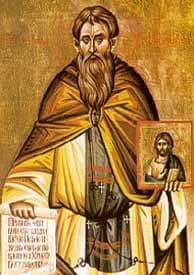
Stephen of Piperi
Stephen of Piperi was a Serbian Orthodox saint known for his ascetic life and spiritual leadership. He is remembered for his devotion and the miracles attributed to his relics, which continue to be venerated.
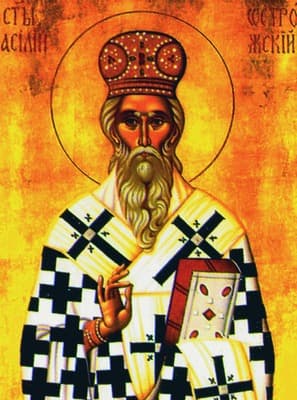
Basil of Ostrog
Basil of Ostrog was a Serbian Orthodox bishop of Zahumlje, venerated as a saint in the Eastern Orthodox Church. He is chiefly remembered for founding Ostrog Monastery in Montenegro, which became a major pilgrimage site, and for his reported miracles.
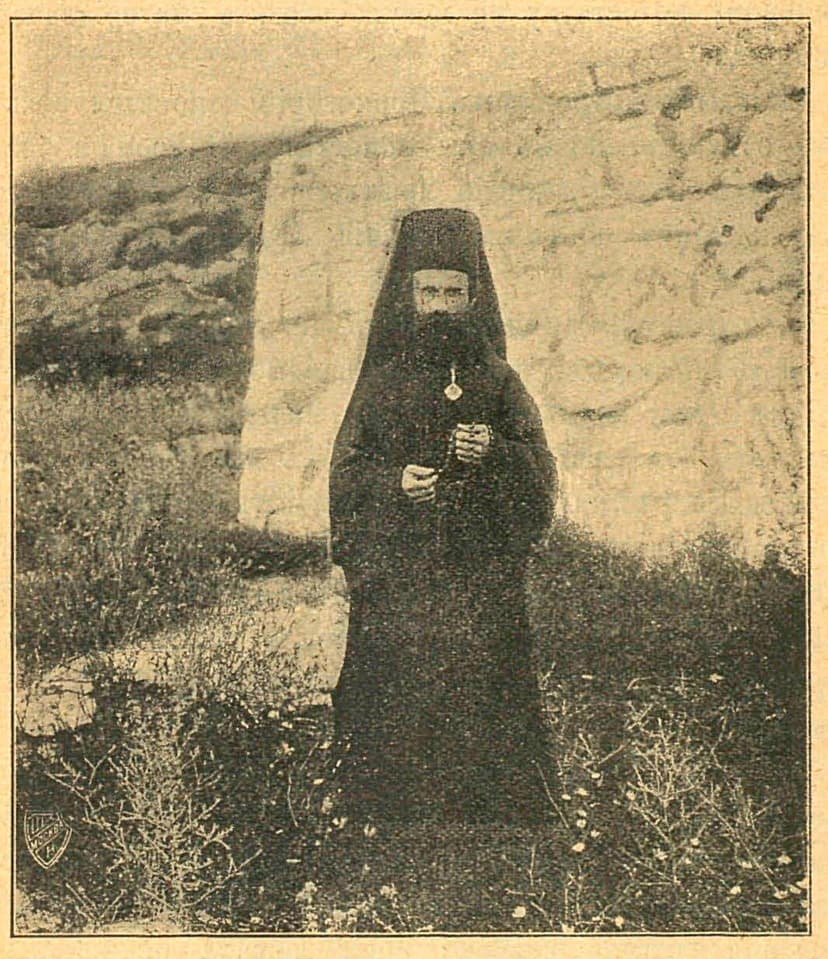
Simeon of Dajbabe
Simeon of Dajbabe, born Savo Popović, was a Serbian Orthodox hieromonk and the founder of the Dajbabe Monastery in Montenegro. He is remembered for his ascetic life, believed spiritual gifts, and his foresight regarding World War II. He was officially canonized by the Serbian Orthodox Church in 2010.