
Basil of Ostrog
April 29·17th century·Montenegro
Basil of Ostrog was a Serbian Orthodox bishop of Zahumlje, venerated as a saint in the Eastern Orthodox Church. He is chiefly remembered for founding Ostrog Monastery in Montenegro, which became a major pilgrimage site, and for his reported miracles.
Key Facts
- ›Stojan Jovanović was born on December 28, 1610, in the village of MrkonjićI in Herzegovina.
- ›He studied at Zavala Monastery and later at Tvrdoš Monastery in Trebinje.
- ›He was elected Bishop of Zahumlje and Skenderija in 1639 and retired from this position in 1649.
- ›He founded Ostrog Monastery in Montenegro, where he was buried after his death in 1671.
- ›His tomb at Ostrog Monastery became a pilgrimage site for Christians and Muslims due to reports of miracles.
- ›He is commemorated on April 29 (may 12 Gregorian Calendar) in the Serbian Orthodox liturgical calendar.
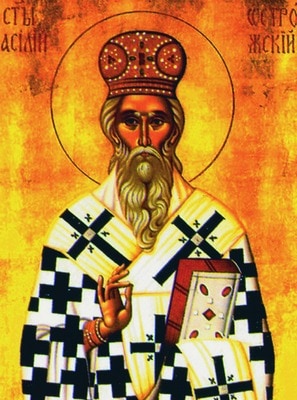
Vasilije Ostroški, Sveti Vasilije Ostroški, Stojan Jovanović
Pilgrimage Sites
Monastery
About Basil of Ostrog
Basil of Ostrog, born Stojan Jovanović, was a Serbian Orthodox bishop of Zahumlje who lived from 1610 to 1671. He is widely venerated as a saint within the Eastern Orthodox Church, particularly for his spiritual leadership and the founding of the significant Ostrog Monastery in Montenegro.
Life and Historical Context
Born on December 28, 1610, in the village of Mrkonjići in Herzegovina, then under Ottoman rule, Stojan Jovanović showed early signs of piety and generosity. His parents, Petar Jovanović and Ana, raised him with strong religious values. Legends describe him as diligent and benevolent, sharing his resources with the poor. Due to growing attention from Ottoman authorities, his parents took him to the nearby Zavala Monastery, where his uncle, hieromonk Serafim, served as hegumen. There, he began his studies, quickly mastering biblical texts and Christian mysteries. He later transferred to Tvrdoš Monastery in Trebinje for further spiritual and theological education.
Despite his modesty and reluctance to assume high ecclesiastical office, his dedication to the Church led to his election as Bishop of Zahumlje and Skenderija in 1639. He served in this capacity until 1649, when he retired from the position.
Legacy
Following his death on April 29, 1671, Basil of Ostrog was buried at the Ostrog Monastery, an institution he had founded in Montenegro. His tomb, located in a cave-church, soon became a focal point for pilgrims from various Christian denominations, including Orthodox and Roman Catholics, as well as Muslims, who were drawn by accounts of miracles attributed to his intercession. Today, Ostrog Monastery is one of the most important pilgrimage sites in the Balkans, attracting vast numbers of visitors, especially around Pentecost.
Basil of Ostrog holds a place of profound reverence in Montenegro, where he is considered one of the highest saints. His influence is such that Montenegrins are sometimes said to pray to him before God. The respect for Saint Basil was prominently displayed during the 2019–2020 clerical protests in Montenegro, where his icons were carried by protestors, and his veneration was linked to the political shifts that followed. The Orthodox seminary in East Sarajevo, part of the University of East Sarajevo, is named in his honor, as is a church in Nalježići, Grbalj region.
Veneration
Basil of Ostrog is commemorated in the Serbian Orthodox liturgical calendar on April 29, which falls on May 12 according to the Gregorian Calendar. His primary role in veneration is that of a confessor and miracle-worker, with his tomb at Ostrog Monastery being a central site for devotion and healing.
Source: Wikipedia ↗
Frequently Asked Questions
Who was Basil of Ostrog?
Basil of Ostrog, born Stojan Jovanović, was a Serbian Orthodox bishop of Zahumlje. He is venerated as a saint in the Eastern Orthodox Church.
When and where was Basil of Ostrog born?
He was born on December 28, 1610, in the village of Mrkonjići, located in the Popovo field in Herzegovina, which was then part of the Ottoman Empire.
What is Basil of Ostrog known for founding?
Basil of Ostrog is known for founding the Ostrog Monastery in Montenegro. This monastery became a significant site for pilgrimage following his death.
What is the feast day of Basil of Ostrog?
His feast day is observed on April 29 in the Serbian Orthodox liturgical calendar, which corresponds to May 12 in the Gregorian Calendar.
Why is Ostrog Monastery a pilgrimage site?
Ostrog Monastery became a pilgrimage site after Basil of Ostrog's death due to reports of miracles occurring through his intercession. His tomb within the monastery draws large numbers of pilgrims.
What is Basil of Ostrog's significance in Montenegro?
In Montenegro, Saint Basil of Ostrog is considered one of the highest saints. He is deeply respected, and his veneration has been notably present during significant political and social events.
Related Saints

Isaiah of Onogošt
Isaiah of Onogošt was a Serbian Orthodox monk and ascetic venerated in the Eastern Orthodox Church. He lived in a cave that would later become the site of the Ostrog Monastery, likely seeking refuge from Ottoman occupation. He is remembered for his ascetic life and for the veneration that followed his death.
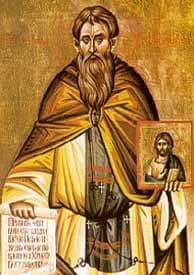
Stephen of Piperi
Stephen of Piperi was a Serbian Orthodox saint known for his ascetic life and spiritual leadership. He is remembered for his devotion and the miracles attributed to his relics, which continue to be venerated.
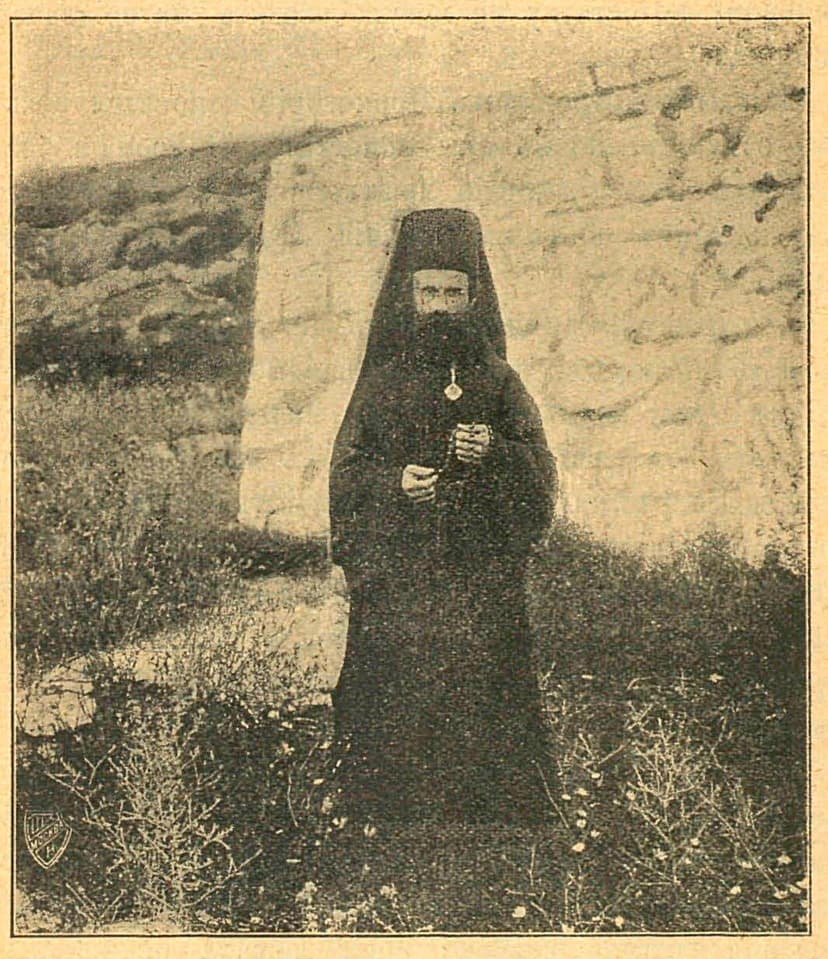
Simeon of Dajbabe
Simeon of Dajbabe, born Savo Popović, was a Serbian Orthodox hieromonk and the founder of the Dajbabe Monastery in Montenegro. He is remembered for his ascetic life, believed spiritual gifts, and his foresight regarding World War II. He was officially canonized by the Serbian Orthodox Church in 2010.