
Sisoes the Great
Sisoës the Great was an early Christian desert father and solitary monk who lived an ascetic life in the Egyptian desert. He is revered as a saint by the Roman Catholic and Eastern Orthodox Churches, who recognize him as a wonderworker. Sisoës is remembered for his profound devotion and pursuit of solitude in his spiritual journey.
Key Facts
- ›Sisoës the Great was a Coptic monk who lived in the Egyptian desert.
- ›He pursued asceticism in a cave previously occupied by St. Anthony the Great.
- ›Sisoës is venerated as a saint by the Roman Catholic and Eastern Orthodox Churches.
- ›He is considered a wonderworker by these traditions.
- ›His feast day is observed on July 6th (July 19th Old Style).
- ›He lived in the desert of Sceté and later on Mount Colzim.
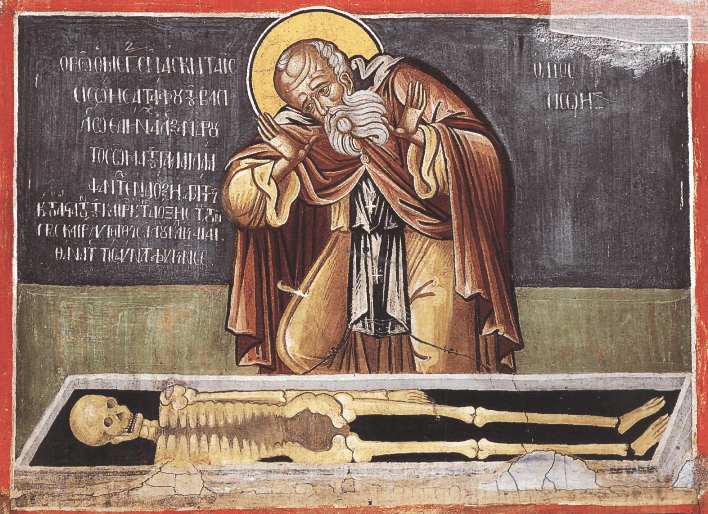
Sisoi the Great, Sisoy the Great, Sisoes of Sceté, Shishoy, Apa Gijoi (Coptic)
About Sisoes the Great
Sisoës the Great
Sisoës the Great, also known by variations such as Sisoi the Great or Shishoy, was a prominent early Christian hermit and desert father who lived in the Egyptian desert. Born a Copt, he dedicated his life to extreme asceticism and solitary monasticism, withdrawing from the world from a young age.
Life and Historical Context
Sisoës's spiritual journey began in the desert of Sceté, where he lived for a period under the spiritual direction of Abba Or. Seeking an even more remote and unfrequented place for contemplation, he crossed the Nile River to reside on Mount Colzim. This location held particular significance as it was the site where St. Anthony the Great, a foundational figure of Christian monasticism, had previously lived and died.
Veneration and Legacy
Sisoës the Great is recognized as a saint by both the Roman Catholic Church and the Eastern Orthodox Church. He is particularly revered as a wonderworker, a testament to the spiritual power attributed to his ascetic life and profound devotion. His feast day is commemorated annually on July 6th (Old Style July 19th).
His life story and teachings are preserved in various early Christian writings, including the "Sayings of the Desert Fathers," which offer insights into the practices and spiritual wisdom of the desert monastic tradition. Sisoës's legacy is rooted in his commitment to solitude, asceticism, and his enduring veneration as a spiritual guide and miracle-worker within Eastern Christianity.
Source: Wikipedia ↗
Frequently Asked Questions
Who was Sisoës the Great?
Sisoës the Great was an early Christian desert father and a solitary monk who lived an ascetic life in the Egyptian desert. He is revered as a saint in both the Roman Catholic and Eastern Orthodox Churches.
Where did Sisoës the Great live?
Sisoës the Great lived in the desert of Sceté in Egypt, initially under the guidance of Abba Or. He later moved to Mount Colzim, seeking an even more secluded retreat in a cave where St. Anthony the Great had died.
When is the feast day of Sisoës the Great?
The feast day of Sisoës the Great is observed on July 6th in the Julian calendar (which corresponds to July 19th in the Gregorian calendar).
Why is Sisoës the Great considered a saint?
Sisoës the Great is considered a saint and a wonderworker by the Roman Catholic and Eastern Orthodox Churches due to his devout ascetic life and spiritual achievements in the Egyptian desert.
Related Saints
Bessarion the Great
Bessarion the Great was an Egyptian Christian monk and Desert Father of the 4th to 5th centuries, known for his extreme asceticism and spiritual wisdom. He is venerated as a saint for his profound humility, miraculous abilities, and dedication to prayer and self-denial in the Nitrian Desert. He is chiefly remembered for his legendary endurance and his role in the Sayings of the Desert Fathers.
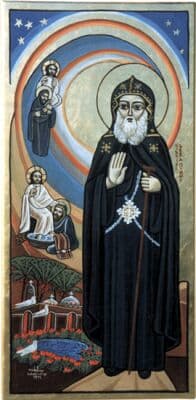
Pishoy
Pishoy, also known as Paisius the Great, was a prominent Coptic Desert Father who lived in Egypt from 320 to 417 AD. He is revered for his asceticism, wisdom, and defense of Orthodox faith against heresies. Copts believe he saw Jesus multiple times and that his body remains incorruptible to this day, preserved at the Monastery of Saint Bishoy.
Zeno the Prophet
Zeno the Prophet was an Egyptian monk and Desert Father, known for his spiritual guidance and miraculous deeds. He served as a disciple of Silvanus of Gaza and became the spiritual mentor to Peter the Iberian. Zeno is primarily remembered for his ascetic life and his role as a spiritual teacher within the monastic communities of Palestine and Egypt.