
Pishoy
Pishoy, also known as Paisius the Great, was a prominent Coptic Desert Father who lived in Egypt from 320 to 417 AD. He is revered for his asceticism, wisdom, and defense of Orthodox faith against heresies. Copts believe he saw Jesus multiple times and that his body remains incorruptible to this day, preserved at the Monastery of Saint Bishoy.
Key Facts
- ›Pishoy was born in 320 AD in the village of Shansa, Egypt.
- ›He became a monk under Pambo at the wilderness of Scetes at age twenty.
- ›Pishoy is credited with defending Orthodox faith against heresies through scriptural debate.
- ›He is believed by Copts to have seen Jesus and to have his body preserved in an incorruptible state.
- ›Pishoy died on July 15, 417 AD, and his relics were moved to the Monastery of Saint Bishoy in the Nitrian Desert.
- ›Three monasteries in Egypt are named after Saint Bishoy.
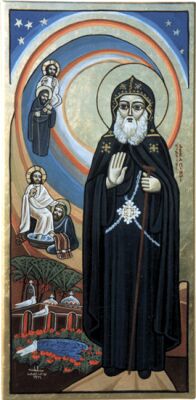
Paisius the Great, Pshoi, Bishoy, Bishūy, Bishāy, Bishiyyah, Star of the Desert, Beloved of our Good Savior
Weaved Basket With Three Ears
About Pishoy
Pishoy, historically known in Europe as Paisius the Great, was a significant figure among the Coptic Desert Fathers. Born in 320 AD in Shansa, Egypt, he was noted for his frailty in childhood but was divinely chosen for a monastic life. At the age of twenty, he joined the monastic community at the wilderness of Scetes under the guidance of Pambo.
Life and Ministry
Pishoy became known for his profound asceticism, wisdom, kindness, and love for seclusion. He lived as a hermit at a site later established as the Monastery of Saint Bishoy in the Nitrian Desert, where he became a spiritual father to many monks. His ascetic practices were famously rigorous; it is recorded that he would tie his hair and hands to the ceiling of his cell to remain awake during night prayers. His reputation for holiness attracted visitors such as Ephrem the Syrian.
A core aspect of Pishoy's veneration is the Coptic belief that he experienced multiple visions of Jesus Christ. One widely recounted story tells of Pishoy carrying an old man who turned out to be Christ, leading to a divine promise that his body would not see corruption. He is also credited with washing the feet of Jesus, who visited him disguised as a poor stranger.
Pishoy was also a defender of the Orthodox faith. He is said to have confronted an ascetic teaching Gnostic views by using a basket with three ears as a metaphor for the Trinity, ultimately persuading the heretic to return to Orthodoxy through scriptural arguments.
Departure and Relics
In 407/408 AD, due to invasions in Scetes, Pishoy relocated to the mountain of Ansena, where he founded another monastery, the Monastery of Saint Bishoy at Deir al-Barsha. He died on July 15, 417 AD. In 841 AD, his body, along with that of his close friend Paul of Tammah, was transferred to the Monastery of Saint Bishoy in the Nitrian Desert, fulfilling Pishoy's own desire. Eyewitness accounts attest to the body remaining in an allegedly incorruptible state, a key element of his veneration.
Legacy
Today, three monasteries in Egypt bear the name of Saint Bishoy, reflecting his enduring importance in Coptic monasticism. His life of extreme asceticism, spiritual guidance, and commitment to Orthodox doctrine continues to inspire devotion among the faithful.
Source: Wikipedia ↗
Frequently Asked Questions
Who was Pishoy?
Pishoy, also known as Paisius the Great, was a highly revered Coptic Desert Father who lived in Egypt from 320 to 417 AD. He is remembered for his austere lifestyle, spiritual wisdom, and staunch defense of Orthodox Christian beliefs.
What is Pishoy remembered for?
Pishoy is chiefly remembered for his extreme asceticism, his role as a spiritual father to many monks, and his theological debates that defended the Orthodox faith against heresies. Copts also believe he had visions of Jesus and that his body remains incorruptible.
Where did Pishoy live and minister?
Pishoy lived primarily in the desert wilderness of Scetes and later in the mountain of Ansena in Egypt. He founded monasteries in these regions, with the Monastery of Saint Bishoy in the Nitrian Desert being the most prominent.
What is the significance of the Monastery of Saint Bishoy?
The Monastery of Saint Bishoy in the Nitrian Desert is a major Coptic Orthodox monastery and the traditional resting place of Pishoy's incorruptible relics. It is one of three monasteries in Egypt named after him and holds significant importance in Coptic tradition.
Do Copts believe Pishoy's body is incorrupt?
Yes, a central belief in the Coptic Orthodox Church is that Pishoy's body remains incorruptible to this day. This is considered a testament to his holiness and the divine favor he received, including visions of Jesus.
Related Saints
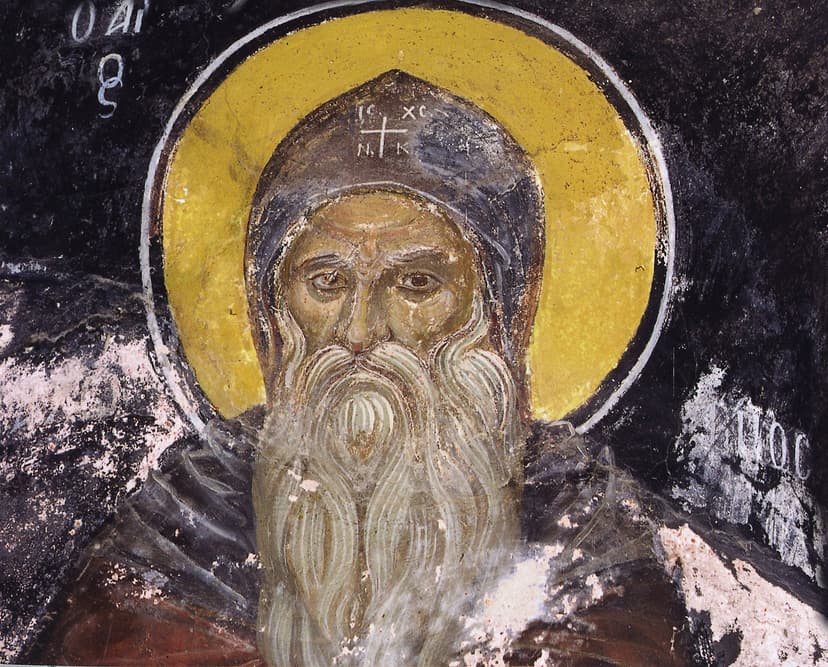
Pambo of Nitria
Pambo of Nitria was a Coptic Desert Father and disciple of Anthony the Great in the 4th century. He is remembered for founding numerous monasteries in the Nitrian Desert and for his profound wisdom and spiritual guidance, consulted by prominent figures like Athanasius and Melania the Elder. His most notable penance was a long period of silence, undertaken to internalize a psalm about guarding one's tongue.
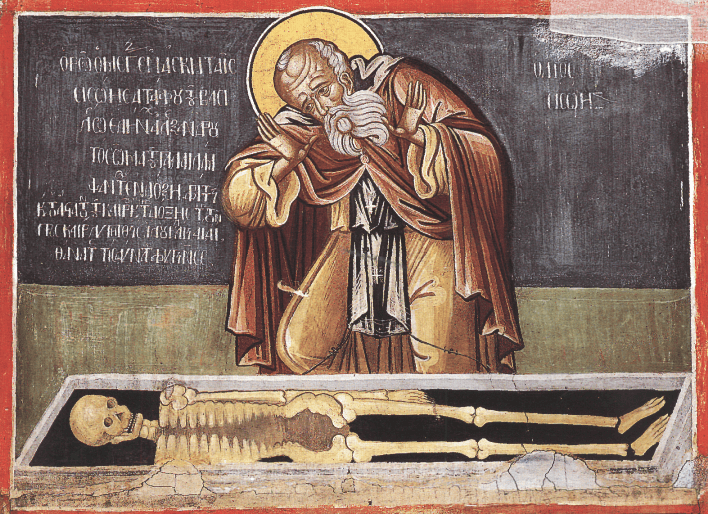
Sisoes the Great
Sisoës the Great was an early Christian desert father and solitary monk who lived an ascetic life in the Egyptian desert. He is revered as a saint by the Roman Catholic and Eastern Orthodox Churches, who recognize him as a wonderworker. Sisoës is remembered for his profound devotion and pursuit of solitude in his spiritual journey.
Arsenius the Great
Arsenius the Great was a Roman imperial tutor who became a highly regarded anchorite and Desert Father in Egypt. He is remembered for his influential teachings on asceticism and the contemplative life, and for his profound humility and devotion, which earned him the surname "the Great" from his contemporaries.