
Sampson the Hospitable
Sampson the Hospitable was a physician from Constantinople who dedicated his life to serving the poor and sick. He is remembered for his immense charity, establishing a free clinic in his home and later founding a large hospital with the support of Emperor Justinian. His devotion to the needy led to his veneration as a saint in both Eastern and Catholic traditions.
Key Facts
- ›Sampson was born in Rome to a prominent and devout family.
- ›He was a physician who devoted himself to helping the poor and sick.
- ›Sampson inherited a fortune, which he largely distributed to the poor.
- ›He moved to Constantinople and later became a priest.
- ›With Emperor Justinian's help, he founded a large hospital for the poor in Constantinople.
- ›He was buried in the Church of the Holy Martyr Mocius in Constantinople.
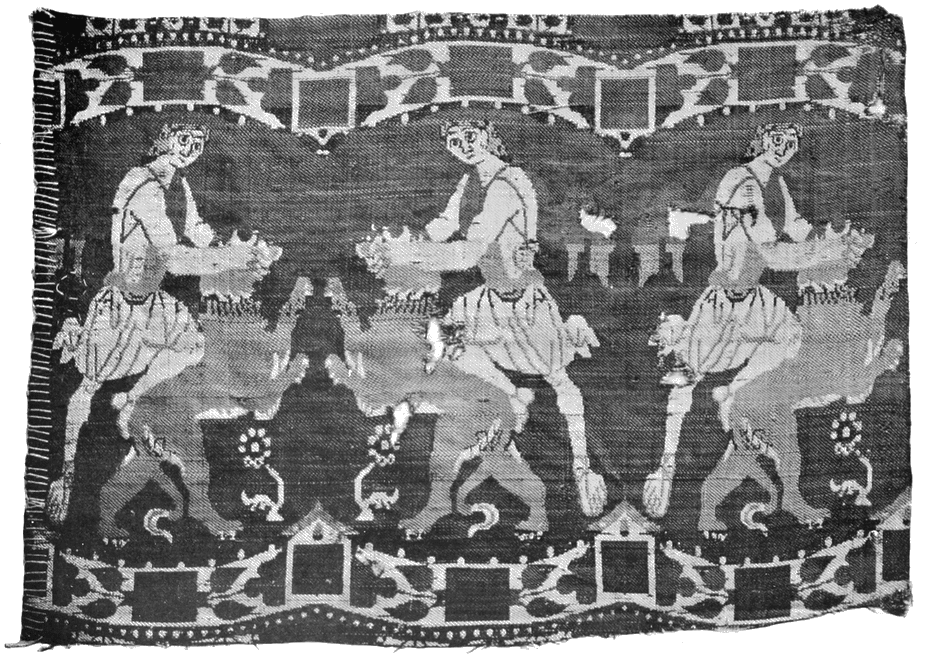
Sampson ho philoxenos
the Poor, the Sick
Hospital
About Sampson the Hospitable
Sampson the Hospitable, known in Greek as Sampsón ho philóxenos, was a prominent figure in 6th-century Constantinople, revered for his profound dedication to serving the poor and sick. Born in Rome to a devout family, Sampson became a skilled physician and inherited a considerable fortune, much of which he generously distributed to those in need. His life's work was centered on alleviating suffering, both physical and spiritual.
Life and Ministry
Sampson initially established his charitable work in his own home, transforming it into a free clinic where he provided medical care, food, lodging, and counsel to a constant stream of people seeking aid. He meticulously trained a staff to manage the growing numbers of patients, ensuring that comprehensive care was available. Later, he moved to Constantinople, where he continued his almsgiving and compassionate service. He was eventually ordained a priest by the patriarch.
A pivotal moment in Sampson's life came when Byzantine Emperor Justinian the Great fell ill. Sampson was the only physician able to provide relief to the emperor, earning his gratitude and a desire to reward him. Sampson, however, requested not personal riches but the emperor's assistance in establishing a new, large hospital for the poor. With Justinian's support, Sampson founded this hospital, which became the largest free clinic in the empire and served the populace of Constantinople for approximately 600 years. This institution was strategically located between the churches of St. Eirene and Hagia Sophia.
Veneration and Legacy
Sampson the Hospitable died around 530 AD and was buried in the Church of the Holy Martyr Mocius in Constantinople. His life of selfless service and his establishment of a lasting charitable institution led to his veneration as a saint. He is honored in both the Eastern Churches and the Catholic Church. His feast day gained particular significance in Russia after Peter the Great's victory over Charles XII of Sweden in the Battle of Poltava, which occurred on Sampson's feast day. This event spurred further veneration and led to the construction of St Sampson's Cathedral in St. Petersburg, a testament to his enduring spiritual influence.
Source: Wikipedia ↗
Frequently Asked Questions
Who was Sampson the Hospitable?
Sampson the Hospitable was a devout citizen of Constantinople who lived in the 6th century. He was a physician by profession and dedicated his life to serving the poor and sick of the city.
What was Sampson's main charitable work?
Sampson turned his home into a free clinic, offering medical care, food, lodging, comfort, and advice to those in need. He later founded a large hospital for the poor with the support of Emperor Justinian.
Why is Sampson venerated as a saint?
He is venerated for his immense charity, his selfless dedication to the poor and sick, and his role in establishing a significant hospital that served the community for centuries. He was also ordained a priest.
Where was Sampson buried?
Sampson the Hospitable was buried in the Church of the Holy Martyr Mocius in Constantinople.
What is the significance of his feast day in Russia?
His veneration in Russia was notably amplified when Peter the Great defeated Charles XII of Sweden in the Battle of Poltava on Sampson's feast day. This event led to the construction of St. Sampson's Cathedral in St. Petersburg.
Related Saints
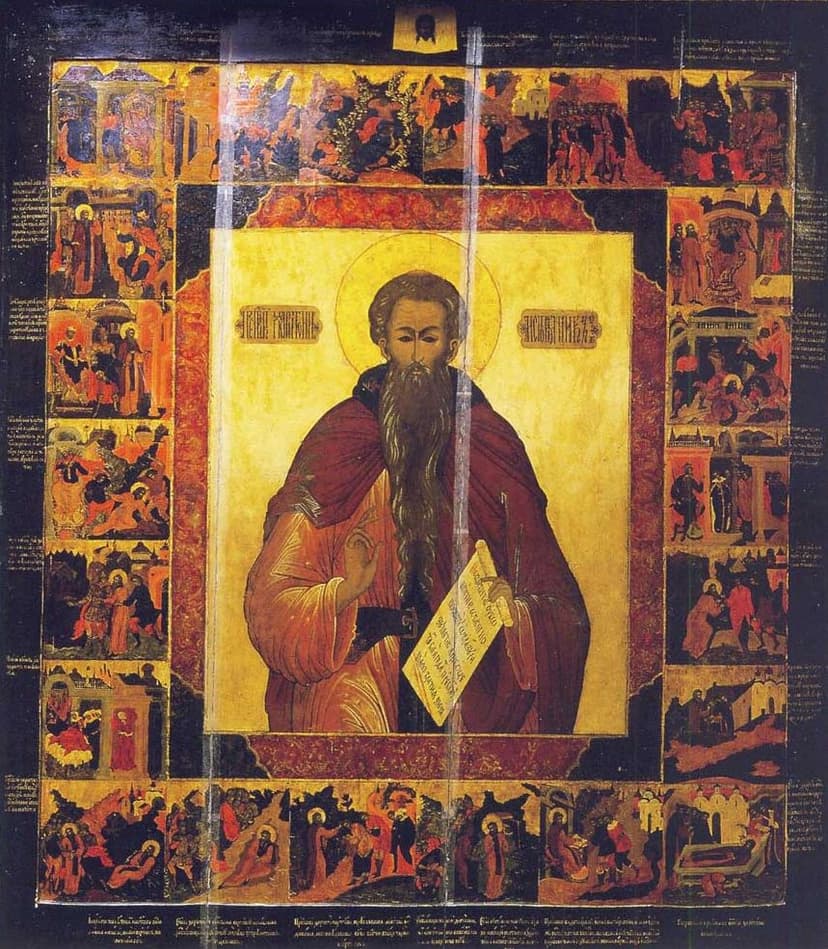
Chariton the Confessor
Chariton the Confessor was an early Christian monk and hermit who lived in the Judaean desert during the mid-3rd to mid-4th centuries. He is chiefly remembered for establishing the first lavra-type monasteries in the region, laying the groundwork for monastic life based on asceticism and solitude. His example and rules significantly influenced monasticism in the Judaean desert.
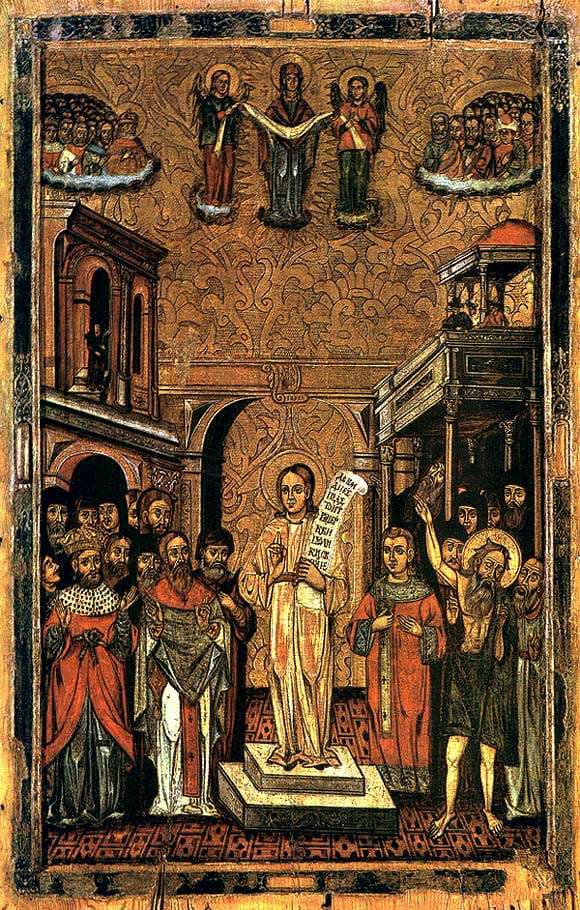
Romanus the Melodist
Romanos the Melodist was a central figure in Byzantine music, renowned as the foremost composer of kontakia in the 6th century. Born to a Jewish family in Syria, he converted to Christianity and was ordained a deacon before moving to Constantinople. He is chiefly remembered for his theological depth and poetic skill in hymns, particularly his "Kontakion of the Nativity."
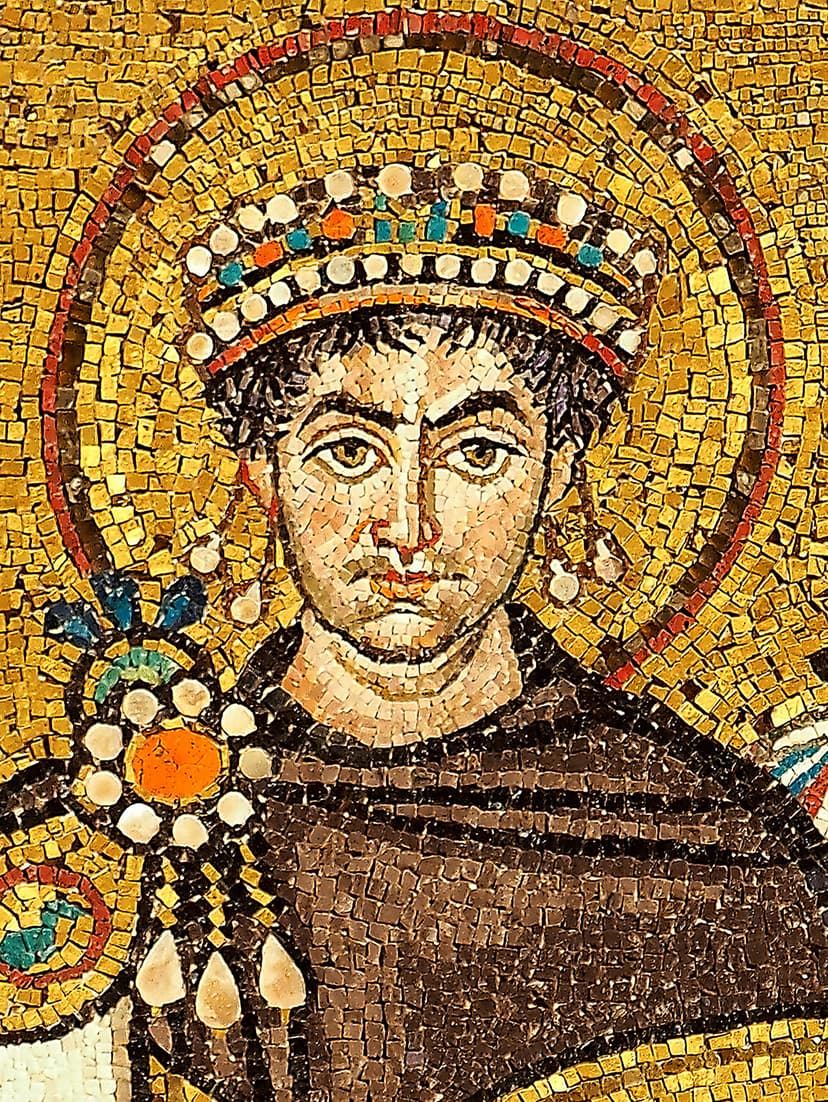
Justinian I
Justinian I was a prominent Roman emperor whose reign (527-565) was marked by an ambitious effort to restore the empire and a significant codification of Roman law. He is chiefly remembered for the Corpus Juris Civilis, the partial reconquest of the Western Roman Empire, and the construction of the Hagia Sophia. His reign significantly influenced the development of civil law and Byzantine culture.