
Chariton the Confessor
September 28·4th century·Judaean Desert
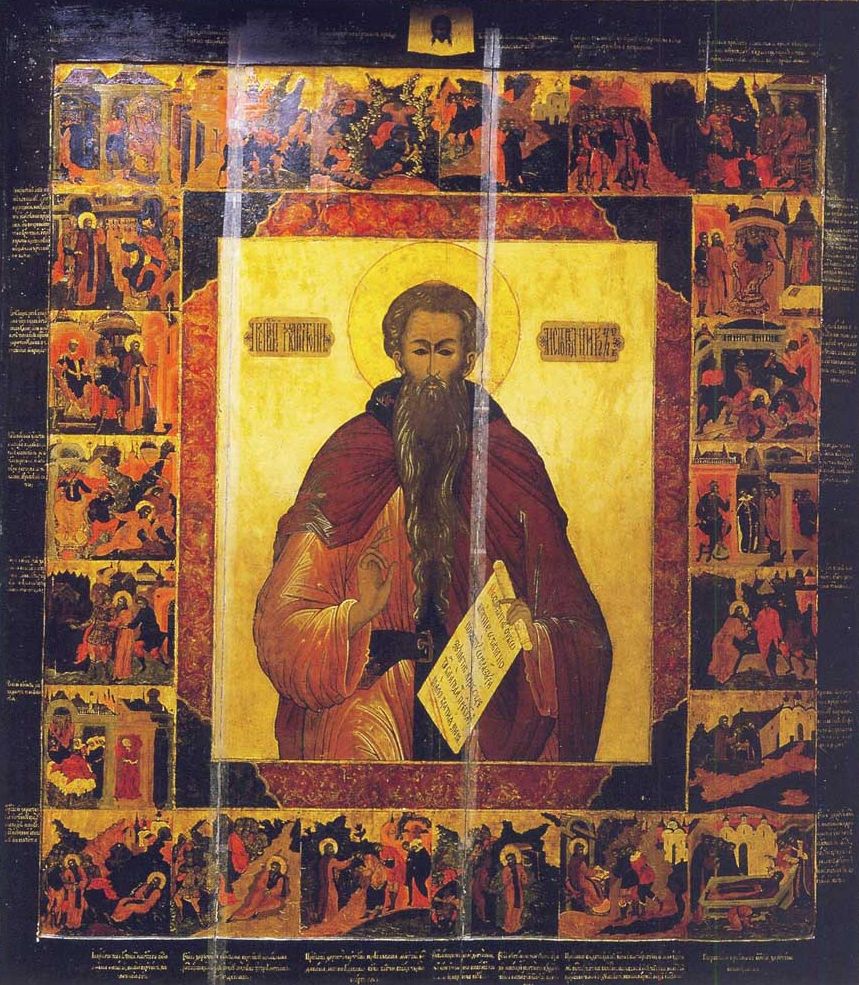
Chariton the Confessor was an early Christian monk and hermit who lived in the Judaean desert during the mid-3rd to mid-4th centuries. He is chiefly remembered for establishing the first lavra-type monasteries in the region, laying the groundwork for monastic life based on asceticism and solitude. His example and rules significantly influenced monasticism in the Judaean desert.
Key Facts
- ›Chariton was born in Iconium in Asia Minor.
- ›He was tortured during Emperor Aurelian's persecution of Christians.
- ›After his release, he established three monasteries in the Judaean desert: Pharan, Douka, and Souka.
- ›He is considered the founder of monasticism in the Judaean desert.
- ›His monastic rules emphasized asceticism, solitude, manual work, and prayer.
- ›His remembrance day is September 28.
Western Churches, Eastern Churches
Cave, Monastery
About Chariton the Confessor
Chariton the Confessor (mid-3rd century – c. 350 AD) was an influential early Christian monk and hermit, venerated as a saint in both the Western and Eastern Churches. Born in Iconium, Asia Minor, his early life involved suffering persecution under Emperor Aurelian, during which he was tortured but survived. Upon his release, a pilgrimage to the Holy Land led him to the Judaean desert, where he would establish a new path for Christian monasticism.
Life and Historical Context
According to the 6th-century "Life of Chariton," after his release from prison around 275 AD, Chariton was captured by bandits during a pilgrimage to Jerusalem. He was taken to a cave in the Pharan Valley, where his captors died after drinking poisoned wine. This event led Chariton to remain in the cave as a hermit. It was here that he built a church and founded what is recognized as the first monastery of the lavra type, a community of hermits living in separate cells but gathering for prayer and meals.
Chariton later moved to the Mount of Temptation near Jericho, establishing another lavra on the ruins of an ancient fortress. Around 345 AD, he founded a third monastery, the Souka, in the Valley of Tekoa, later known as the Old Lavra. His fame attracted many Christians seeking spiritual guidance, which often led him to relocate to preserve his solitude. His ascetic practices included silence, specific dietary restrictions, manual labor, and a disciplined schedule of prayer.
Legacy
Chariton the Confessor's primary importance lies in his pioneering role in establishing monastic rules and practices in the Judaean desert, particularly through the lavra system. His emphasis on asceticism, solitude, and structured prayer became a foundational model for monastic life in the region and beyond. While Hilarion is sometimes credited with founding Palestinian monasticism, Chariton is widely acknowledged as the father of monasticism in the Judaean desert. Tradition also attributes to him the compilation of the "Office of the Monastic Tonsure."
Source: Wikipedia ↗
Frequently Asked Questions
Who was Chariton the Confessor?
Chariton the Confessor was an early Christian monk and hermit venerated as a saint in both Western and Eastern Churches. He lived in the Judaean desert from the mid-3rd to mid-4th centuries.
What is Chariton the Confessor known for?
He is primarily known as the founder of the first lavra-type monasteries in the Judaean desert. His example and the rules he established greatly influenced the development of monasticism in the region.
When did Chariton the Confessor live?
Chariton lived from the mid-3rd century, with his birth in Iconium, to around 350 AD in the Judaean desert.
Where did Chariton the Confessor establish monasteries?
Chariton established three significant monastic sites in the Judaean desert: one in the Pharan Valley, another on the Mount of Temptation near Jericho, and a third in the Valley of Tekoa, known as Souka or the Old Lavra.
What were Chariton's rules for monastic life?
His monastic rules emphasized asceticism and solitude. This included living in silence, eating specific foods only after sundown, performing manual labor, alternating sleep with prayer, praying at fixed hours, remaining in one's cell, and controlling one's thoughts.
Related Saints
Sampson the Hospitable
Sampson the Hospitable was a physician from Constantinople who dedicated his life to serving the poor and sick. He is remembered for his immense charity, establishing a free clinic in his home and later founding a large hospital with the support of Emperor Justinian. His devotion to the needy led to his veneration as a saint in both Eastern and Catholic traditions.
Marinus
Marinus was a Christian saint and stonemason traditionally credited as the founder of San Marino in 301 AD. Fleeing persecution, he established a chapel and monastery on Monte Titano, from which the Republic of San Marino eventually grew. He is venerated for his sanctity and the affirmation of freedom he represented.
Gregory the Illuminator
Gregory the Illuminator was the founder and first head of the Armenian Apostolic Church, who converted Armenia from Zoroastrianism to Christianity in the early fourth century, making it the first state to adopt Christianity as its official religion. He is venerated as a saint in several Christian traditions and is remembered for his pivotal role in the Christianization of Armenia.