
Peter of Moscow
December 21·14th century·Russia
Peter of Moscow was an Eastern Orthodox bishop of Kiev who moved his see to Moscow in 1325, significantly strengthening the city's position as a spiritual center. He is remembered for his ascetic life, his role in establishing Moscow as the spiritual capital of Rus', and his eventual proclamation as a patron saint of Moscow. His efforts contributed to the rebuilding and spiritual development of Moscow during a tumultuous period.
Key Facts
- ›Peter was born in Volhynia to parents Theodore and Eupraxia and entered a monastery at age twelve.
- ›He was ordained a hieromonk and later pursued asceticism, leading to the formation of the Novodvorsk monastery.
- ›In 1308, he was appointed Metropolitan of Kiev and all Rus' by the Patriarch of Constantinople.
- ›Peter transferred his metropolitan see from Vladimir to Moscow in 1325 at the request of Grand Prince Ivan Kalita.
- ›He authored a few sermons and epistles and is credited with the foundation of the Vysokopetrovsky Monastery in Moscow.
- ›Peter died on December 21, 1326, and was later canonized, becoming a patron saint of Moscow.
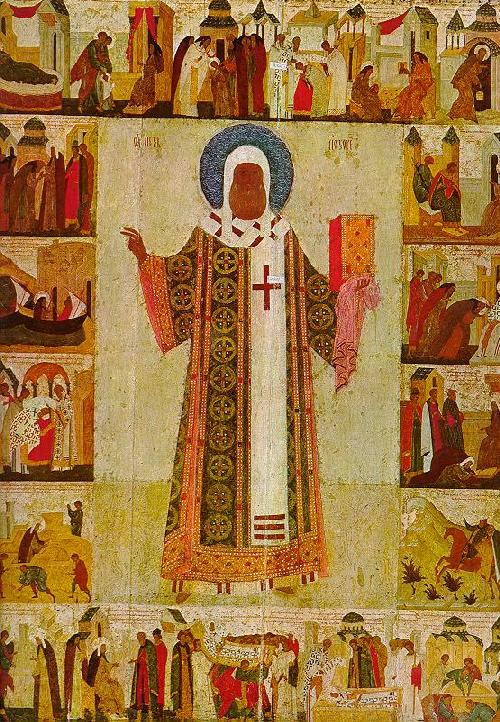
Peter of Kiev, Peter of Rata, Petro Ratensky
Moscow
Icon of the Most Holy Theotokos “of St Peter”
About Peter of Moscow
Peter of Moscow (c. 1260 – December 20, 1326) was a significant Eastern Orthodox bishop who played a pivotal role in the spiritual and political development of medieval Rus'. Born in Volhynia, he entered monastic life at a young age, developing skills in iconography and pursuing asceticism. His early life included ordination as a hieromonk and the founding of the Novodvorsk monastery.
Appointment and Ministry
In 1308, Peter was appointed Metropolitan of Kiev and all Rus' by the Patriarch of Constantinople, a move that initially caused friction with other regional powers. During a period of Tatar authority and widespread unrest, Peter was often compelled to relocate his see. He initially moved it from the depopulated city of Kiev to Vladimir.
The Move to Moscow
The most consequential act of Peter's episcopate occurred in 1325 when, at the behest of Grand Prince Ivan Kalita, he transferred the metropolitan cathedra-chair from Vladimir to Moscow. This strategic relocation was instrumental in elevating Moscow's status, transforming it into the spiritual capital of the fragmented Rus' lands. Following his move, Ivan Kalita initiated the construction of significant stone churches in the Moscow Kremlin, including the Cathedral of the Dormition, and the foundation of the Vysokopetrovsky Monastery is attributed to Peter.
Legacy and Veneration
Peter also authored several sermons and epistles. He died in 1326 and was later canonized by Metropolitan Alexis. His veneration quickly spread throughout Muscovy, leading to the dedication of numerous churches in his honor. Peter of Moscow is now recognized as a patron saint of Moscow, and his feast days are observed on December 21 (date of repose), August 24 (translation of relics), and October 5 (commemorating him with other Metropolitans).
Source: Wikipedia ↗
Frequently Asked Questions
When and where was Peter of Moscow born?
Peter of Moscow was born in Volhynia, part of the Kingdom of Galicia–Volhynia, around 1260. Little is recorded about his parents, Theodore and Eupraxia, beyond their names.
What was Peter of Moscow's early life like?
At the age of twelve, Peter entered a monastery where he learned iconography and was ordained as a hieromonk. He later left the monastery to pursue asceticism in solitude near the Rata River, where a monastery called Novodvorsk was eventually formed.
How did Peter become Metropolitan of Kiev and all Rus'?
In 1308, King Yuri I of Galicia nominated Peter, and the Patriarch of Constantinople appointed him to the vacant see of Kiev and all Rus'. This appointment led to conflict with Mikhail Yaroslavich, Grand Prince of Vladimir and Tver.
Why did Peter move his see to Moscow?
Peter transferred his metropolitan duties to Vladimir due to the turmoil and depopulation of Kiev. In 1325, he moved the metropolitan cathedra-chair from Vladimir to Moscow at the request of Grand Prince Ivan Kalita, strengthening Moscow's political and spiritual standing.
What contributions did Peter make to Moscow?
Peter's move established Moscow as the spiritual capital of fragmented Rus'. He is also credited with authoring sermons and epistles, and the foundation of the Vysokopetrovsky Monastery in Moscow is attributed to him.
When did Peter of Moscow die and how is he remembered?
Peter died on December 21, 1326. After his canonization, his veneration grew throughout Muscovy, and he became a patron saint of Moscow. His feast days are celebrated on August 24, October 5, and December 21.
Related Saints

Sergius of Radonezh
Sergius of Radonezh was a highly influential Russian Orthodox spiritual leader and monastic reformer who lived in the 14th century. He is best remembered as the founder of the Trinity Lavra of St. Sergius, Russia's most venerated monastic house, and for his role in the Russian spiritual and cultural revival of his time. His teachings and the monasteries founded by his disciples significantly shaped the Russian Orthodox Church.
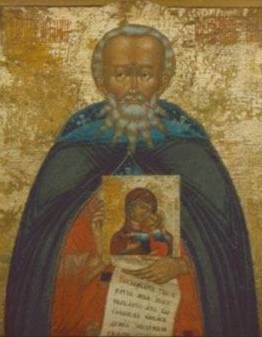
Abraham of Galich
Abraham of Galich was an abbot of the Russian Orthodox Church and a disciple of Sergius of Radonezh. He is remembered for founding four monasteries in the region of Galich, establishing a significant monastic presence there. His feast day is celebrated on July 20th.
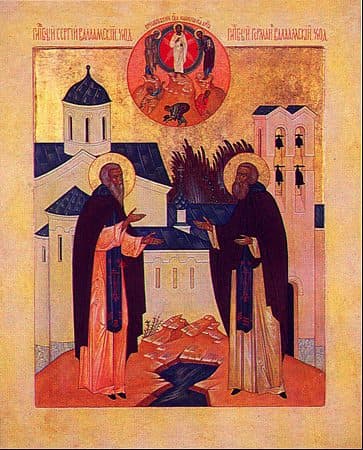
Sergius of Valaam
Sergius of Valaam was a Greek monk credited with bringing Orthodox Christianity to the Karelians and Finns. Church traditions vary widely on his life, placing him from the 10th to the 14th century. He is chiefly remembered as a founder of the Valaam Monastery and a missionary figure.