
Peter of Cetinje
Saint Peter of Cetinje was the Prince-Bishop of Montenegro from 1784 to 1830, and a significant spiritual and military leader of the Petrović dynasty. He is remembered for strengthening the Montenegrin state by uniting tribes, introducing the first laws, and preparing the ground for modern institutions. His canonization by the Serbian Orthodox Church recognizes his role as a pivotal figure in Montenegrin and Serbian history.
Key Facts
- ›He served as the Prince-Bishop of Montenegro and Exarch of the Serbian Orthodox Church from 1784 to 1830.
- ›Peter I consolidated control over Montenegrin lands and united often quarreling tribes.
- ›He introduced the first codified laws in Montenegro in 1798.
- ›His rule laid the groundwork for the introduction of modern state institutions such as taxes and schools.
- ›He played a key role in military victories against the Ottoman Empire, including the battles of MartinićI and Krusi in 1796.
- ›Peter I conceived a plan to revive a Serbian Empire, aiming to unite various Serb-inhabited regions.

Saint Peter of Cetinje, Sveti Petar Cetinjski, Petar I Petrović-Njegoš
About Peter of Cetinje
Petar I Petrović-Njegoš, known to the Serbian Orthodox Church as Saint Peter of Cetinje, was a towering figure in Montenegrin history, serving as its Prince-Bishop and spiritual leader from 1784 until his death in 1830. He was a central figure of the Petrović dynasty, celebrated for his dual role as a spiritual shepherd and a formidable military commander. During his extensive tenure, Peter I dedicated himself to strengthening the nascent Montenegrin state by fostering unity among its disparate tribes, consolidating territorial control, and introducing the foundational elements of a modern legal and administrative system.
Life and Historical Context
Born in 1748, Petar followed a religious path, becoming a monk and deacon, and even spent time in Imperial Russia for military education. He ascended to the bishopric in 1784 amidst political complexities involving influential families like the Radonjić clan, who vied for secular power. His early years as bishop were marked by external threats, particularly from Kara Mahmud Pasha of Scutari, against whom Montenegrin forces, including those led by Metropolitan Petar I himself, achieved crucial victories. These triumphs, such as the Battle of Krusi in 1796, not only repelled Ottoman incursions but also led to territorial expansion and the incorporation of tribes like the Bjelopavlići and Piperi into the Montenegrin polity.
Major Contributions and Vision
Peter I's leadership extended beyond military defense. He recognized the necessity of internal cohesion and introduced Montenegro's first codified laws in 1798, a significant step toward establishing order and governance. His vision for a stronger Montenegro included the introduction of taxes, schools, and larger commercial enterprises, preparing the principality for future modernization. Furthermore, he harbored aspirations for a broader Serbian revival, formulating a plan for a "Slaveno–Serb empire" that aimed to unite various Serb-populated regions. This ambition, though ultimately unrealized, underscored his deep commitment to the cultural and political aspirations of the Serb people.
Canonization and Legacy
His profound influence and virtuous life led to his canonization by the Serbian Orthodox Church as Saint Peter of Cetinje. He is commemorated on October 31st. His legacy is that of a unifying force, a pragmatic ruler who navigated complex political landscapes, and a spiritual leader who guided his people through challenging times, leaving an indelible mark on the history of Montenegro and its relationship with the wider Serbian world.
Source: Wikipedia ↗
Frequently Asked Questions
Who was Peter of Cetinje?
Peter of Cetinje was the Prince-Bishop of Montenegro from 1784 to 1830, and an Exarch of the Serbian Orthodox Church. He was a highly regarded spiritual and military leader of the Petrović dynasty.
What were Peter of Cetinje's major accomplishments?
He is credited with uniting the Montenegrin tribes, consolidating control over the territory, and introducing the first laws in Montenegro in 1798. He also laid the groundwork for modern state institutions like taxes and schools.
When was Peter of Cetinje canonized?
Peter of Cetinje was canonized by the Serbian Orthodox Church as Saint Peter of Cetinje. His feast day is celebrated on October 31st.
Did Peter of Cetinje have any military successes?
Yes, he led Montenegrin forces to significant victories against the Ottoman Empire, notably at the Battle of Martinići and the Battle of Krusi in 1796. These victories contributed to territorial expansion and the integration of new tribes into the Montenegrin state.
What was Peter of Cetinje's role in pan-Serbism?
Peter I envisioned a plan to revive a Serbian Empire, aiming to unite various Serb-inhabited regions under the nominal rule of the Russian emperor. He sought cooperation with Serbian rebel leaders like Karađorđe for this cause.
Related Saints
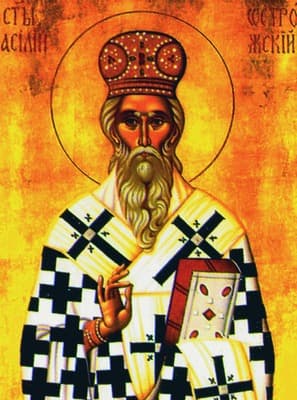
Basil of Ostrog
Basil of Ostrog was a Serbian Orthodox bishop of Zahumlje, venerated as a saint in the Eastern Orthodox Church. He is chiefly remembered for founding Ostrog Monastery in Montenegro, which became a major pilgrimage site, and for his reported miracles.
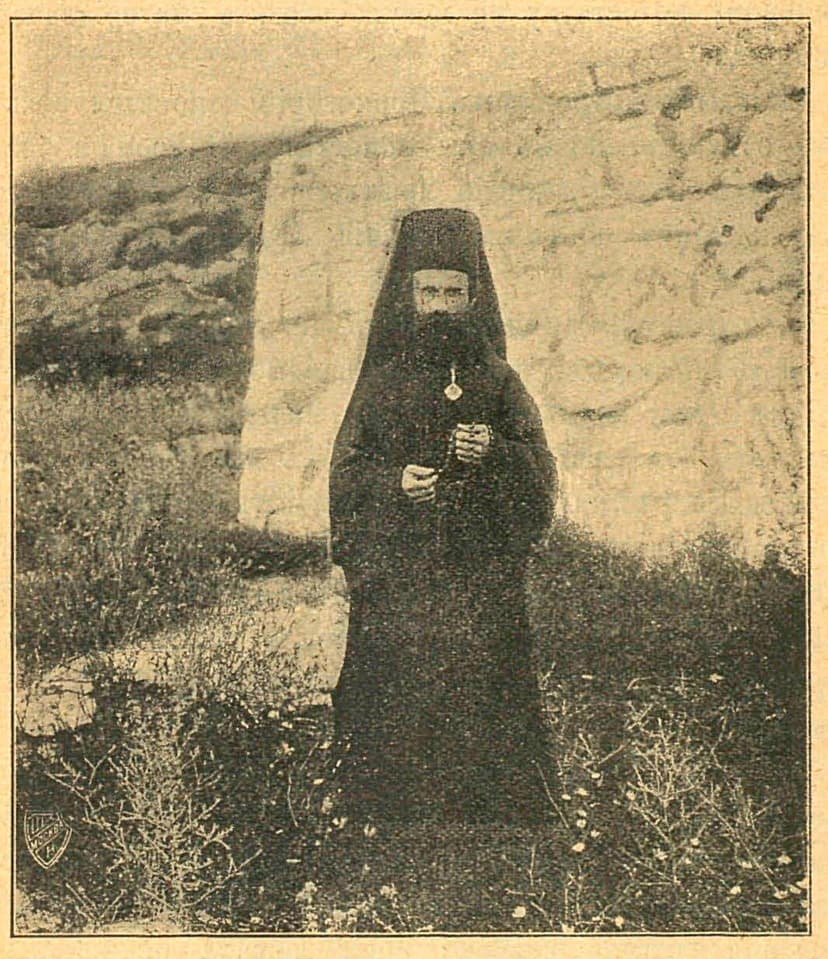
Simeon of Dajbabe
Simeon of Dajbabe, born Savo Popović, was a Serbian Orthodox hieromonk and the founder of the Dajbabe Monastery in Montenegro. He is remembered for his ascetic life, believed spiritual gifts, and his foresight regarding World War II. He was officially canonized by the Serbian Orthodox Church in 2010.
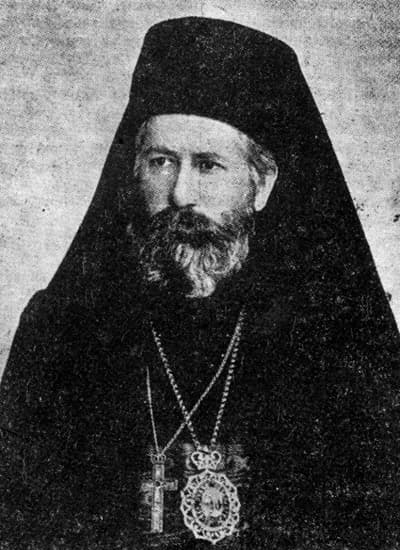
Joannicius I of Montenegro
Joannicius I of Montenegro was the Metropolitan of the Diocese of Montenegro and the Littoral. He is remembered for his collaboration with occupying Axis powers during World War II and his subsequent execution by Communist-led Yugoslav Partisans. Posthumously canonized by the Serbian Orthodox Church, he was recognized as a saint in 1999.