
Mirian III of Iberia
Mirian III was a king of Iberia (modern Georgia) and the founder of the Chosroid dynasty, living contemporaneously with Roman Emperor Constantine the Great. He is chiefly remembered as the first Christian king of Iberia, having established Christianity as the state religion through the ministry of Saint Nino. The Georgian Orthodox Church venerates him as a saint, equal to the Apostles.
Key Facts
- ›Mirian III was a king of Iberia and the founder of the Chosroid dynasty.
- ›He is considered the first Christian king of Iberia.
- ›Christianity was established as the state religion of Iberia during his reign.
- ›His conversion is traditionally attributed to the missionary work of Saint Nino.
- ›He is venerated as a saint by the Georgian Orthodox Church.
- ›His reign is traditionally dated from 268 to 345 or 284 to 361.
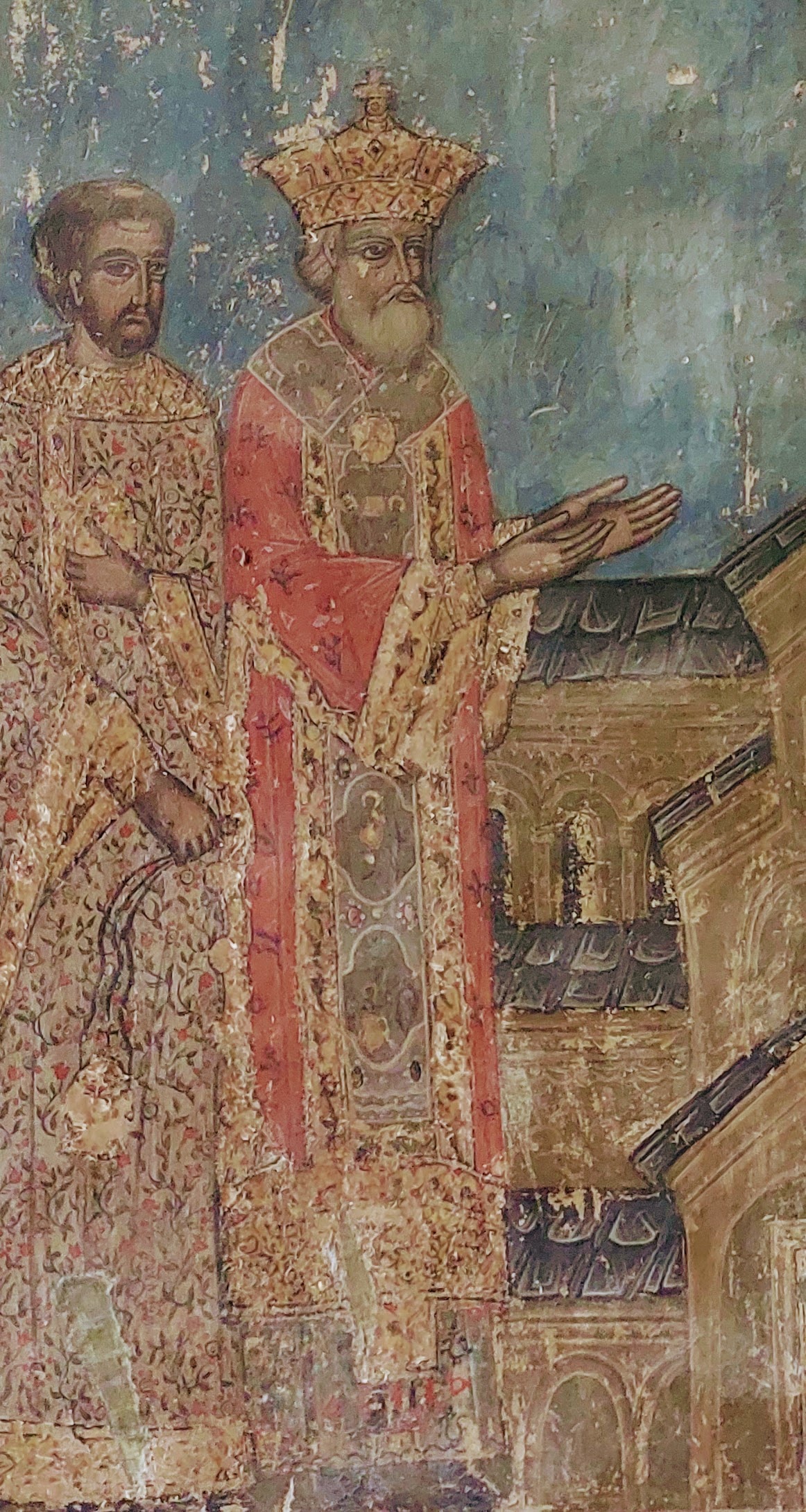
Meribanes, Mithranes, Saint Equal to the Apostles King Mirian
Georgia
Cross
About Mirian III of Iberia
Mirian III (c. 258/277 – 361) was a king of Iberia, a historical kingdom in the Caucasus region, and the founder of the Chosroid dynasty. His reign coincided with that of the Roman Emperor Constantine the Great. Mirian III is a pivotal figure in Georgian history, primarily recognized as the first Christian king of Iberia and the monarch who established Christianity as the kingdom's state religion.
Life and Historical Context
Mirian III was born into the House of Mihran, a prominent Iranian noble family. Initially a Zoroastrian, he was placed on the Iberian throne in 284 by the Sasanian King of Kings Bahram II, who sought to extend Sasanian influence in the Caucasus. Mirian's early reign saw Iberia functioning as a Sasanian vassal, participating in conflicts with the Roman Empire. However, following a Sasanian defeat in 298, Mirian adeptly shifted his allegiance, forging closer ties with Rome.
Conversion to Christianity
The traditional narrative credits the Cappadocian missionary Saint Nino with Mirian III's conversion to Christianity. This significant event is believed to have occurred between 319 and 326 AD, making Iberia one of the earliest kingdoms to officially adopt Christianity. Legend recounts that Mirian was blinded by darkness while hunting, and his sight was restored after praying to "Nino's God." His second wife, Nana, is also said to have converted before him. The establishment of Christianity as the state religion led to the confiscation of pagan temple properties and their redistribution to the nobility and the church, fostering the growth of the central royal government.
Legacy and Veneration
Mirian III's decision to embrace and promote Christianity had a profound and lasting impact on the cultural and religious identity of Georgia. The Georgian Orthodox Church venerates him as a saint, bestowing upon him the title "Saint Equal to the Apostles King Mirian." According to tradition, Mirian III and Queen Nana were buried at the Samtavro convent in Mtskheta, where their tombs are preserved. His reign marked a fundamental turning point, integrating Iberia into the sphere of Christian civilization and laying the groundwork for its future development.
Source: Wikipedia ↗
Frequently Asked Questions
Who was Mirian III of Iberia?
Mirian III was a king of Iberia, a historical kingdom in the Caucasus region corresponding to modern-day Georgia. He reigned during the 4th century and is recognized as the founder of the Chosroid dynasty.
What is Mirian III most remembered for?
He is primarily remembered for his conversion to Christianity and for establishing it as the state religion of Iberia. This conversion is traditionally attributed to the missionary Saint Nino of Cappadocia.
When did Mirian III convert to Christianity?
Scholars generally place Mirian III's conversion to Christianity between 319 and 326 AD. This made Iberia one of the earliest kingdoms to adopt Christianity as its official religion.
How is Mirian III venerated today?
Mirian III is venerated as a saint by the Georgian Orthodox Church. He is honored with the title "Saint Equal to the Apostles King Mirian" for his role in bringing Christianity to his kingdom.
What was Mirian III's background before converting to Christianity?
Mirian III was originally a Zoroastrian and a member of the House of Mihran, a powerful Iranian noble family. He was placed on the Iberian throne by the Sasanian King of Kings Bahram II to strengthen Sasanian influence in the Caucasus.
Where are Mirian III and his wife buried?
According to tradition, Mirian III and his second wife, Queen Nana, were buried at the Samtavro convent in Mtskheta, the ancient capital of Iberia. Their tombs are still displayed there.
Related Saints
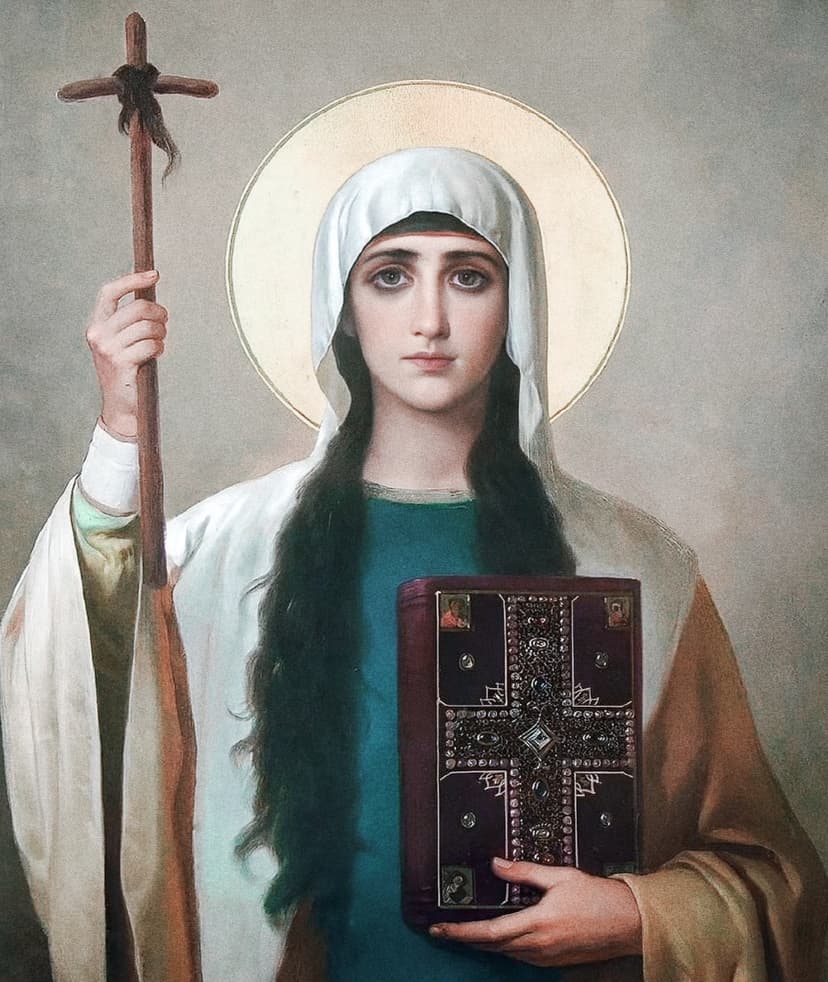
Nino of Georgia
Saint Nino was a woman who preached Christianity in the Kingdom of Iberia, located in present-day Georgia. Her missionary efforts led to the Christianization of the entire country, making Iberia the second Christian state after Armenia. She is chiefly remembered for her role in establishing Christianity in Georgia and is a highly venerated saint in the Georgian Orthodox Church.
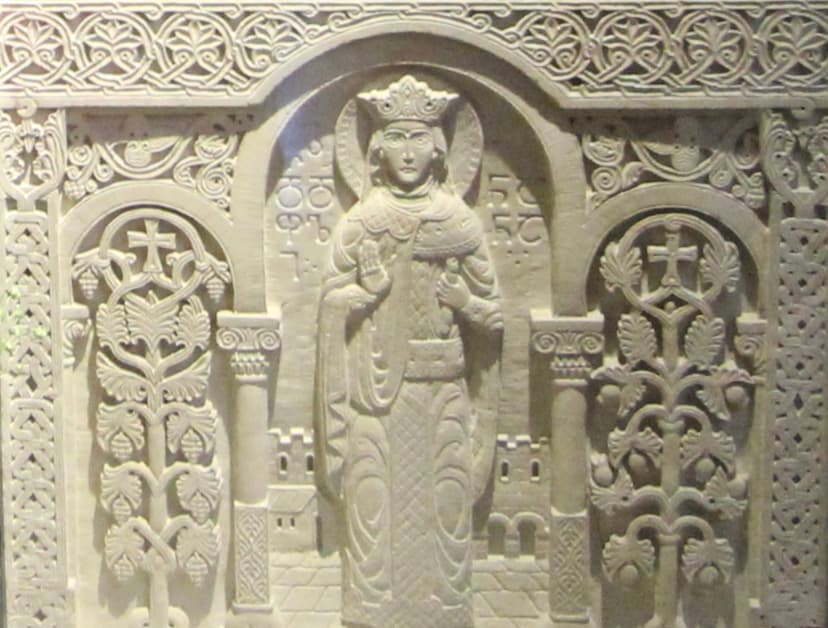
Nana of Iberia
Nana of Iberia was a Queen consort of the Kingdom of Iberia in the 4th century, wife of King Mirian III. She is venerated as a saint by the Georgian Orthodox Church for her pivotal role in the Christianization of Georgia. Nana is chiefly remembered for her conversion to Christianity through the missionary Saint Nino and her subsequent influence on King Mirian's conversion, which established Christianity as the official religion of Iberia.

David IV of Georgia
David IV of Georgia, known as David the Builder, was the 5th king of Georgia from 1089 to 1125. Widely regarded as the most successful Georgian ruler, he liberated the country from Seljuk occupation, notably through his victory at the Battle of Didgori. His comprehensive reforms of the army and administration restored Georgian unity and extended its influence across the Caucasus, ushering in a Georgian Golden Age.