
Nana of Iberia
Nana of Iberia was a Queen consort of the Kingdom of Iberia in the 4th century, wife of King Mirian III. She is venerated as a saint by the Georgian Orthodox Church for her pivotal role in the Christianization of Georgia. Nana is chiefly remembered for her conversion to Christianity through the missionary Saint Nino and her subsequent influence on King Mirian's conversion, which established Christianity as the official religion of Iberia.
Key Facts
- ›Nana was Queen consort of the Kingdom of Iberia in the 4th century.
- ›She was the second wife of King Mirian III.
- ›According to Georgian chronicles, she was of Greek territory, possibly from the Bosporan Kingdom.
- ›She was a staunch pagan until miraculously cured of a severe illness by Saint Nino.
- ›Nana's conversion significantly influenced King Mirian III's conversion to Christianity.
- ›Christianity became the official religion of Iberia around 337 due to their conversions.
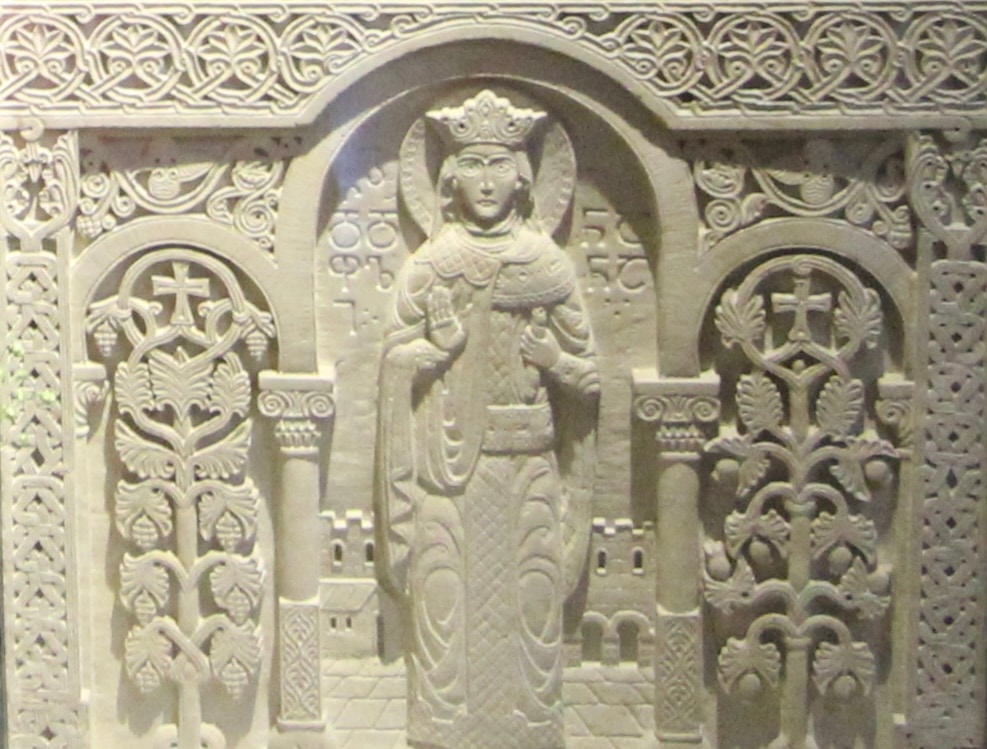
Saint Equal to the Apostles Queen Nana, ts'minda motsikultasts'ori dedopali nana
About Nana of Iberia
Nana of Iberia (Georgian: ნანა) was a Queen consort of the Kingdom of Iberia in the 4th century, serving as the second wife of King Mirian III. She is venerated as a saint, specifically as "Saint Equal to the Apostles Queen Nana" (წმინდა მოციქულთასწორი დედოფალი ნანა), by the Georgian Orthodox Church due to her profound impact on the Christianization of Georgia.
Family and Background
According to historical Georgian chronicles, Nana was of Greek origin, hailing from territory described as Pontus. She was the daughter of a figure named Oligotos. Her marriage to Mirian III occurred after the death of his first wife. Nana bore Mirian two sons and a daughter, contributing to the royal lineage. Scholarly interpretations suggest that "Pontus" might refer to the Bosporan Kingdom, a client state of the Roman Empire at the time. Different theories exist regarding the identity of her father, with some suggesting a Georgian corruption of "Olympius" or "Olympus," while others identify her as a daughter of a Bosporan king.
Conversion and Christianization of Iberia
The narrative of Nana's conversion is central to her veneration. Medieval Georgian sources recount that Nana was initially a devout pagan who held Christian preaching in disdain. Her transformation occurred when she was miraculously healed from a serious illness by Saint Nino, a Cappadocian Christian missionary. This personal miraculous experience led to Nana's conversion to Christianity. Her subsequent influence was instrumental in the conversion of her husband, King Mirian III, around 337 AD. This pivotal event led to Christianity becoming the official state religion of Iberia, a decision that profoundly shaped the future of the Georgian nation.
Legacy and Veneration
Nana outlived her husband by two years, passing away in 363 according to historical timelines. She was canonized by the Georgian Orthodox Church and is traditionally believed to be buried alongside King Mirian III at the Samtavro convent in Mtskheta, where their tombs are still preserved and venerated. Her legacy is deeply intertwined with the establishment of Christianity in Georgia, marking her as a foundational figure in the country's religious and cultural history.
Source: Wikipedia ↗
Frequently Asked Questions
Who was Nana of Iberia?
Nana of Iberia was the Queen consort of the Kingdom of Iberia in the 4th century and the wife of King Mirian III. She is recognized as a saint by the Georgian Orthodox Church.
What is Nana of Iberia remembered for?
Nana is primarily remembered for her significant role in the conversion of Iberia to Christianity. She was converted by Saint Nino and, in turn, influenced King Mirian III to adopt Christianity, making it the official religion of the kingdom.
What was Nana's background?
According to Georgian chronicles, Nana was from Greek territory, possibly the Bosporan Kingdom, and was the daughter of a figure named Oligotos. There are scholarly discussions about the exact identity of her father.
How did Nana convert to Christianity?
Medieval Georgian sources state that Nana was a pagan who initially rejected Christianity. She converted after being miraculously cured of a severe illness by the Cappadocian missionary Saint Nino.
When did Nana of Iberia live and die?
Nana lived in the 4th century and, according to the chronology of Cyril Toumanoff, died in 363, two years after her husband. She was canonized by the Georgian church.
Related Saints
Clotilde
Clotilde was a Burgundian princess and queen of the Franks, instrumental in the conversion of her husband, Clovis I, to Catholicism, which profoundly influenced the religious and political landscape of Western Europe. She is remembered for her piety, her role in establishing Christianity among the Franks, and her charitable works after Clovis's death.
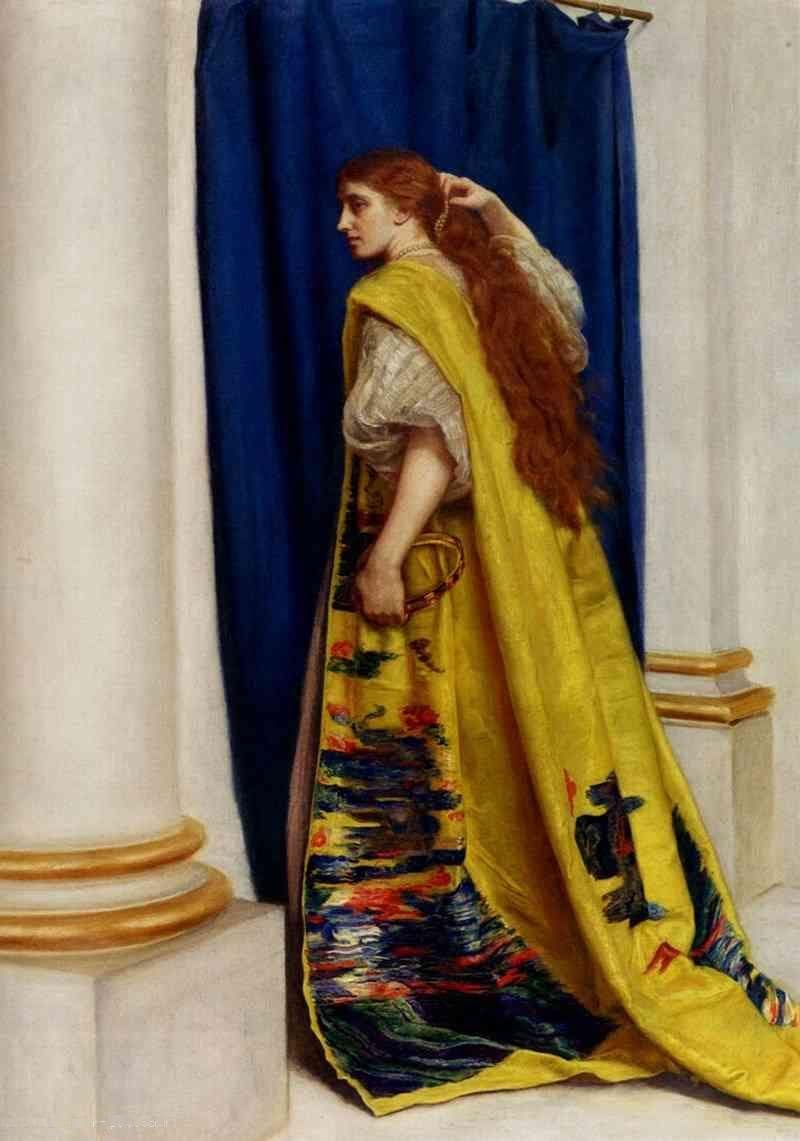
Esther
Esther, originally named Hadassah, is the central figure of the Book of Esther in the Hebrew Bible. She is remembered for her courage in concealing her Jewish identity to become queen of Persia and for ultimately thwarting a plot to annihilate her people. Her story serves as the traditional explanation for the Jewish festival of Purim.
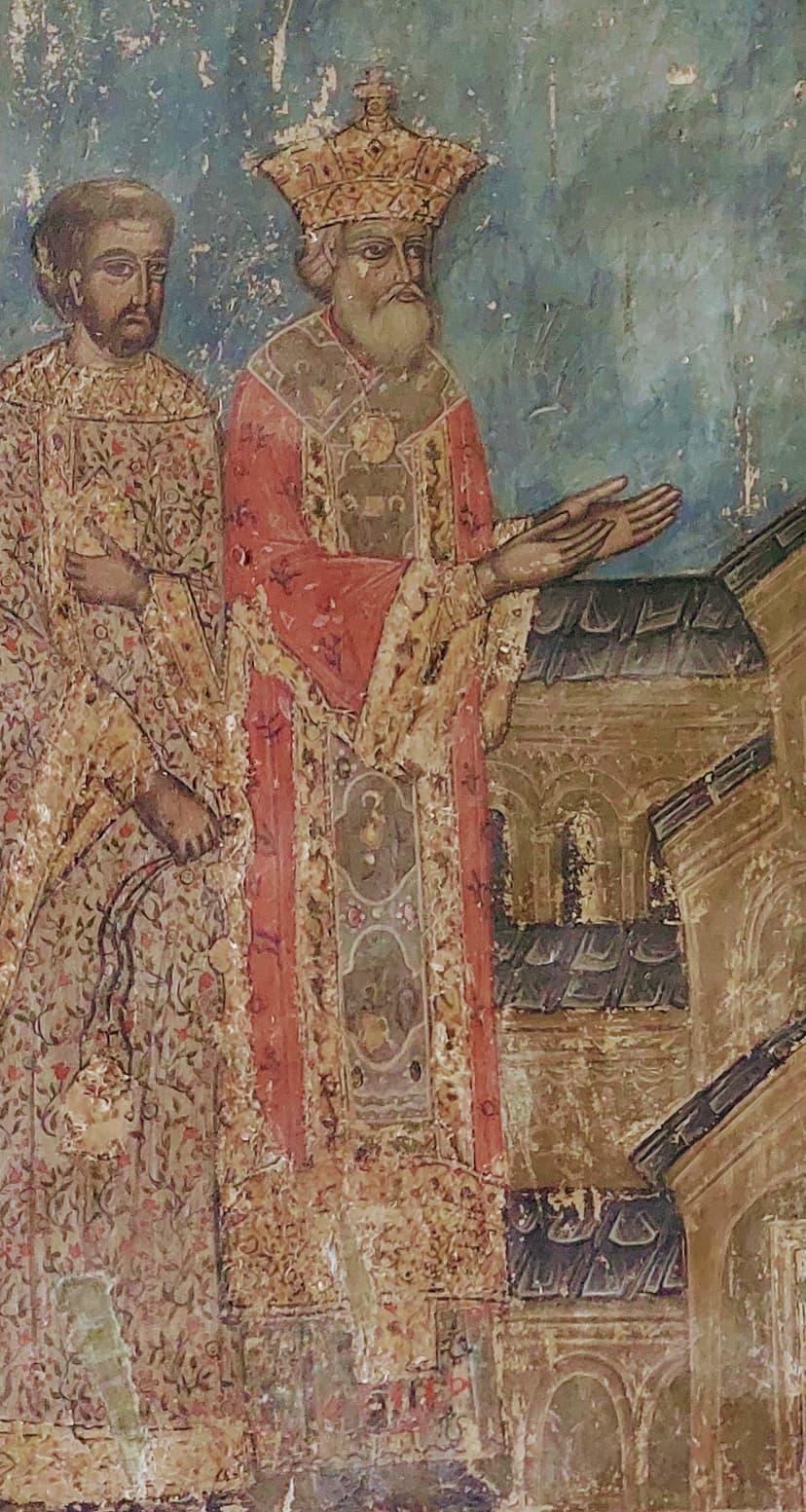
Mirian III of Iberia
Mirian III was a king of Iberia (modern Georgia) and the founder of the Chosroid dynasty, living contemporaneously with Roman Emperor Constantine the Great. He is chiefly remembered as the first Christian king of Iberia, having established Christianity as the state religion through the ministry of Saint Nino. The Georgian Orthodox Church venerates him as a saint, equal to the Apostles.