
Esther
Esther, originally named Hadassah, is the central figure of the Book of Esther in the Hebrew Bible. She is remembered for her courage in concealing her Jewish identity to become queen of Persia and for ultimately thwarting a plot to annihilate her people. Her story serves as the traditional explanation for the Jewish festival of Purim.
Key Facts
- ›Esther's Hebrew name was Hadassah, meaning 'myrtle tree'.
- ›She was an orphan raised by her cousin Mordecai.
- ›Esther concealed her Jewish origins at Mordecai's instruction to avoid danger in the Persian court.
- ›She successfully revealed Haman's plot to exterminate the Jews to King Ahasuerus.
- ›Her intervention led to the execution of Haman and the salvation of the Jewish people.
- ›Her story is the basis for the annual Jewish celebration of Purim.
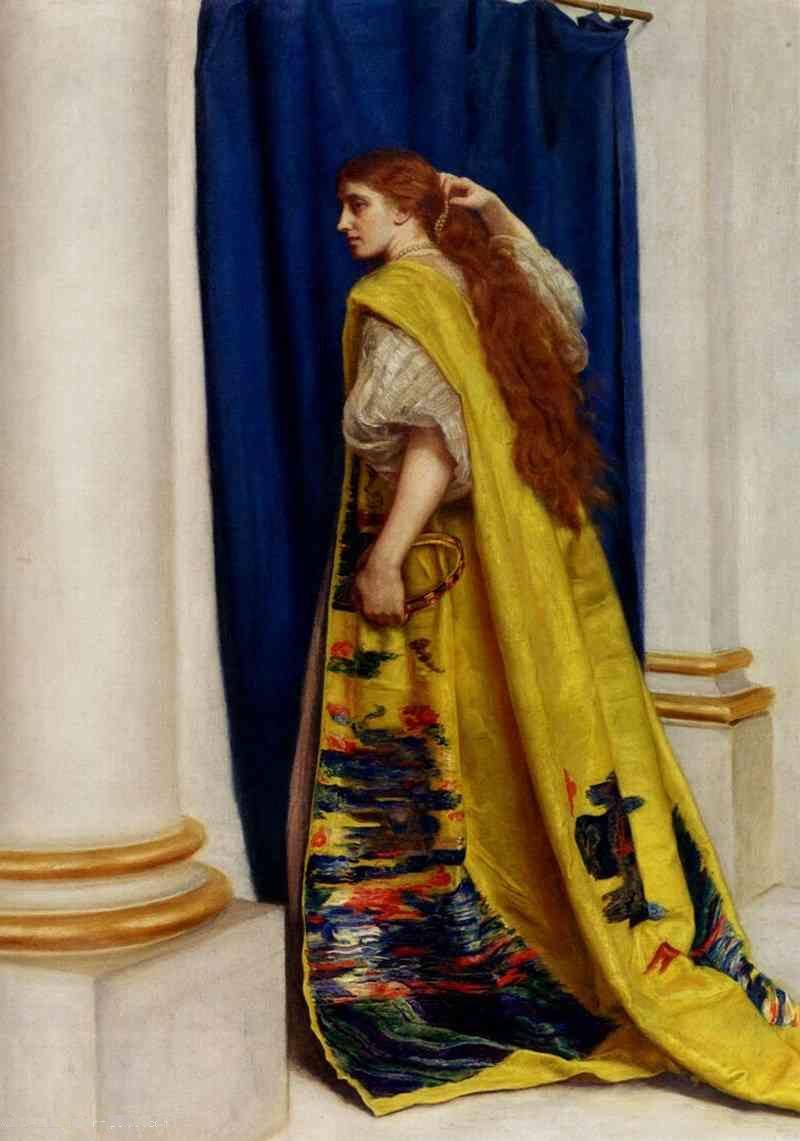
Hadassah
Myrtle Tree, Star
About Esther
Esther, whose original Hebrew name was Hadassah, is the central heroine of the Book of Esther in the Hebrew Bible. Her narrative, set within the Achaemenid Empire, recounts her rise from an orphaned Jewish girl to Queen of Persia and her pivotal role in saving her people from annihilation.
Life and Historical Context
According to the biblical account, Hadassah was raised by her cousin Mordecai after her parents died. When King Ahasuerus sought a new queen after banishing Vashti, beautiful young women were gathered at the royal harem. Mordecai instructed Esther to conceal her Jewish identity as she was prepared to meet the king. She was chosen by Ahasuerus and became his queen, a position she held while still secretly adhering to her faith.
Averting Genocide
The narrative details the rise of Haman, the king's vizier, who became offended by Mordecai's refusal to bow to him. Mordecai's refusal stemmed from his Jewish faith. Enraged, Haman convinced King Ahasuerus to issue a decree for the extermination of all Jews throughout the empire on a specific day. Esther, urged by Mordecai, bravely approached the king unsummoned, a dangerous act. She revealed her Jewish heritage and exposed Haman's treacherous plot, leading to Haman's execution and the reversal of the genocidal decree. The Jews were granted the right to defend themselves, resulting in their victory.
Significance and Legacy
Esther's courage and strategic actions are credited with saving the Jewish people. Her story provides the traditional explanation for the origin of the Jewish festival of Purim, celebrated annually to commemorate their deliverance. While many scholars consider the Book of Esther to be a literary work rather than strict history, Esther remains a powerful symbol of courage, faith, and the empowerment of those in vulnerable positions. Her story has been interpreted as a model of rhetoric and resistance for marginalized groups throughout history.
Source: Wikipedia ↗
Frequently Asked Questions
What was Esther's original name?
Esther's original Hebrew name was Hadassah, which means 'myrtle tree'. This name is mentioned at her introduction in the biblical narrative.
Why did Esther conceal her Jewish identity?
Esther concealed her Jewish origins at the instruction of her cousin and guardian, Mordecai. This was to avoid danger and to advance her position in the Persian court, as her Jewishness was a significant risk.
How did Esther save the Jewish people?
Esther bravely revealed Haman's plot to exterminate all Jews in the Persian Empire to King Ahasuerus. She identified Haman as the perpetrator, leading to his downfall and the countermanding of the decree.
What is the connection between Esther and the holiday of Purim?
The story of Queen Esther and her role in thwarting Haman's plot provides the traditional origin and explanation for the Jewish festival of Purim. The holiday commemorates the deliverance of the Jewish people from destruction.
Is the story of Esther historically accurate?
Scholars generally view the Book of Esther as a work of fiction, though it may have some basis in actual events. Details such as Persian kings not marrying outside certain noble families make a Jewish queen unlikely, and the historicity of the events is debated.
How is Esther viewed in Christianity?
Esther is commemorated in some Christian traditions, such as the Lutheran Church – Missouri Synod, and is recognized as a saint in the Eastern Orthodox Church. She is also seen in Catholic theology as a typological forerunner of the Virgin Mary.
Related Saints
Clotilde
Clotilde was a Burgundian princess and queen of the Franks, instrumental in the conversion of her husband, Clovis I, to Catholicism, which profoundly influenced the religious and political landscape of Western Europe. She is remembered for her piety, her role in establishing Christianity among the Franks, and her charitable works after Clovis's death.
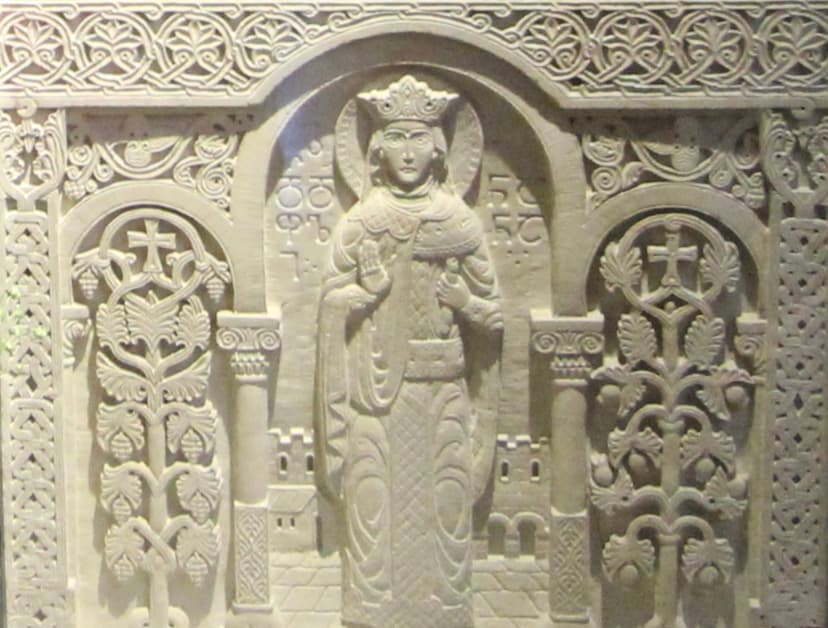
Nana of Iberia
Nana of Iberia was a Queen consort of the Kingdom of Iberia in the 4th century, wife of King Mirian III. She is venerated as a saint by the Georgian Orthodox Church for her pivotal role in the Christianization of Georgia. Nana is chiefly remembered for her conversion to Christianity through the missionary Saint Nino and her subsequent influence on King Mirian's conversion, which established Christianity as the official religion of Iberia.
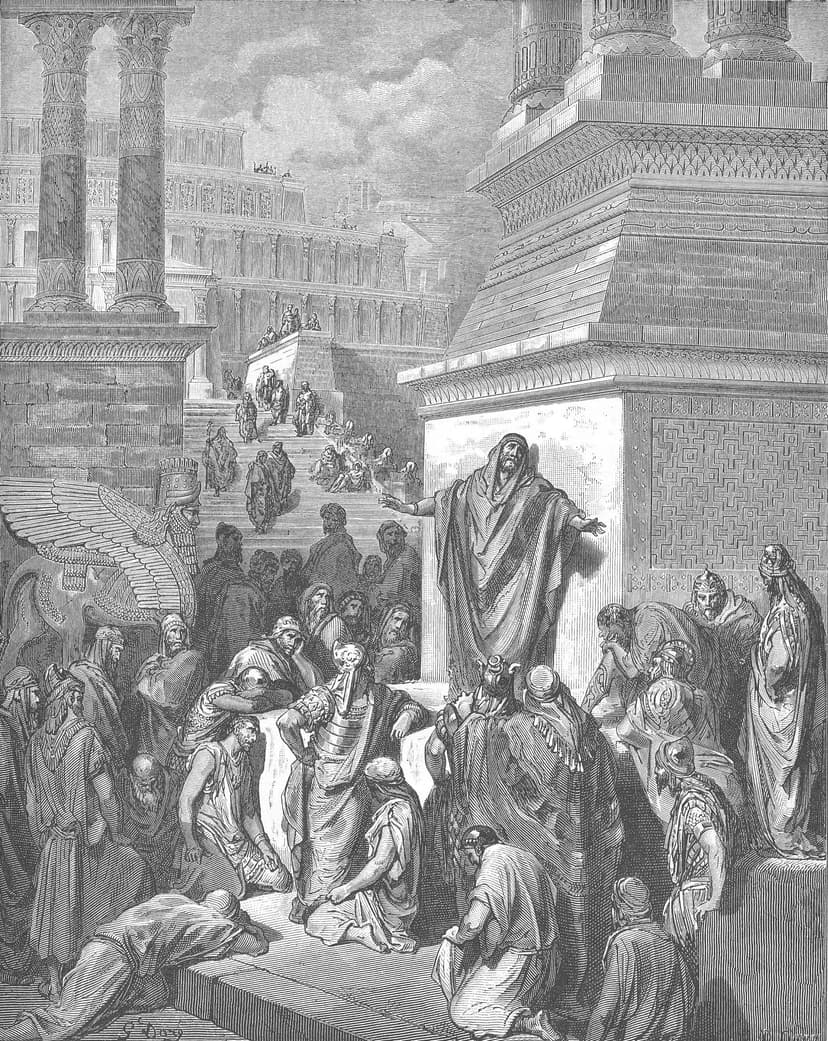
Jonah
Jonah was a Jewish prophet from the Northern Kingdom of Israel in the 8th century BCE, central to the Book of Jonah. He is remembered for his reluctance to deliver God's judgment to Nineveh and his miraculous survival after being swallowed by a large fish. His story is significant in Judaism for its teachings on repentance, in Christianity as a prefigurement of Jesus' resurrection, and in Islam as a revered prophet.