
Metrophanes of Voronezh
Metrophanes of Voronezh was the first bishop of Voronezh, appointed in 1682. He is reputed to have possessed miracle-working powers and supported Peter the Great's naval initiatives while being critical of his Westernization policies. His relics are venerated for their healing powers, and he is a significant figure in Russian Orthodox devotion.
Key Facts
- ›Appointed the first bishop of Voronezh in 1682.
- ›Took monastic vows after his wife's death in 1663.
- ›Supported Peter the Great's warship construction in Voronezh.
- ›His relics were proclaimed to have healing powers when his tomb was opened 14 years after his death.
- ›Formally canonized in 1832.
- ›His relics were returned to the Russian Orthodox Church in 1989.
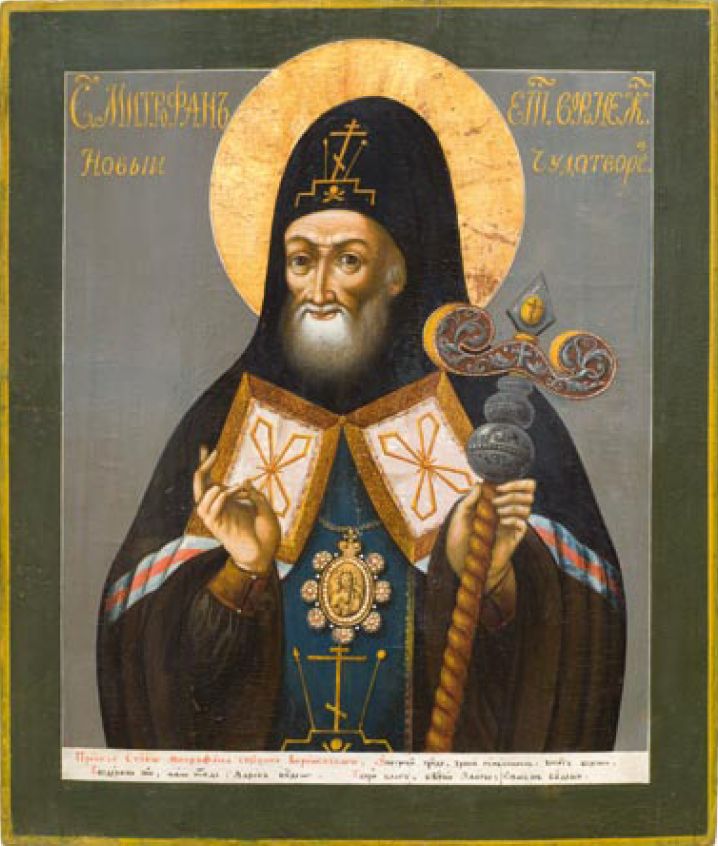
Mitrophan of Voronezh, Mitrofan of Voronezh
Voronezh
About Metrophanes of Voronezh
Metrophanes of Voronezh, also known as Mitrophan of Voronezh, was a prominent figure in the Russian Orthodox Church, serving as the first bishop of Voronezh from 1682 until his death in 1703. He is widely venerated for his spiritual gifts, with a reputation for possessing miracle-working powers.
Life and Ministry
Born in 1623, Mikhail (his birth name) embraced monastic life after the death of his wife in 1663. He managed several monasteries, including the Kosmin Monastery and the Unzha Monastery, before his appointment to the bishopric of Voronezh. During his tenure, Metrophanes played a role in the development of Voronezh as a naval center, supporting Peter the Great's initiative to build the first Russian warships there. Despite this collaboration, he maintained a critical stance on Peter's broader Westernization reforms.
Veneration and Legacy
Metrophanes of Voronezh was buried in the Annunciation Monastery in 1703. Fourteen years later, when his tomb was opened, his body was found to be incorrupt, and his relics were proclaimed to possess healing powers. This discovery led to increased veneration and a growing number of pilgrims from Central Russia flocking to his shrine in Voronezh.
He was formally canonized in 1832, a process that further amplified his fame. The first church in Moscow dedicated to him was consecrated in 1895. During the Bolshevik era, his relics were confiscated, but they were returned to the Russian Orthodox Church in 1989. Today, an ornate statue in front of the Annunciation Cathedral commemorates Saint Metrophan, and his relics remain a focal point of devotion and pilgrimage.
Source: Wikipedia ↗
Frequently Asked Questions
When was Metrophanes of Voronezh appointed bishop?
Metrophanes of Voronezh was appointed the first bishop of Voronezh in 1682. This marked the establishment of a new episcopal see in the region.
What is Metrophanes of Voronezh remembered for?
He is remembered for being the first bishop of Voronezh and is reputed to have possessed miracle-working powers. His relics are venerated for their healing properties.
What was his relationship with Peter the Great?
Metrophanes supported Peter the Great's efforts to build the first Russian warships in Voronezh. However, he was generally critical of Peter's Westernization policies.
When was Metrophanes of Voronezh canonized?
Metrophanes of Voronezh was formally canonized in 1832. His canonization led to an increase in his fame and the number of pilgrims visiting his shrine.
What happened to his relics during the Soviet era?
During the Soviet era, the Bolsheviks confiscated Metrophanes' relics. They were eventually returned to the Russian Orthodox Church in 1989.
Related Saints
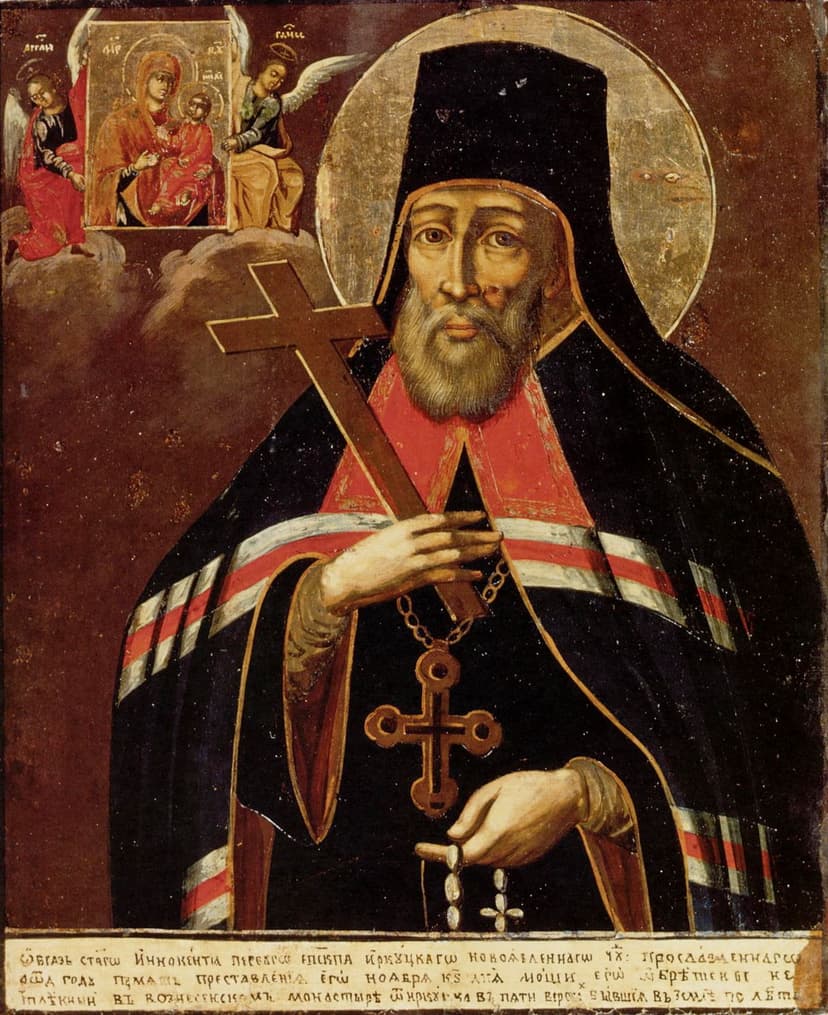
Innocent of Irkutsk
Innocent of Irkutsk was a missionary to Siberia and the first bishop of Irkutsk in Russia. He is remembered for his missionary work among the local people in Siberia and for his eventual glorification as a saint. His relics were famously found to be incorrupt, leading to widespread veneration.
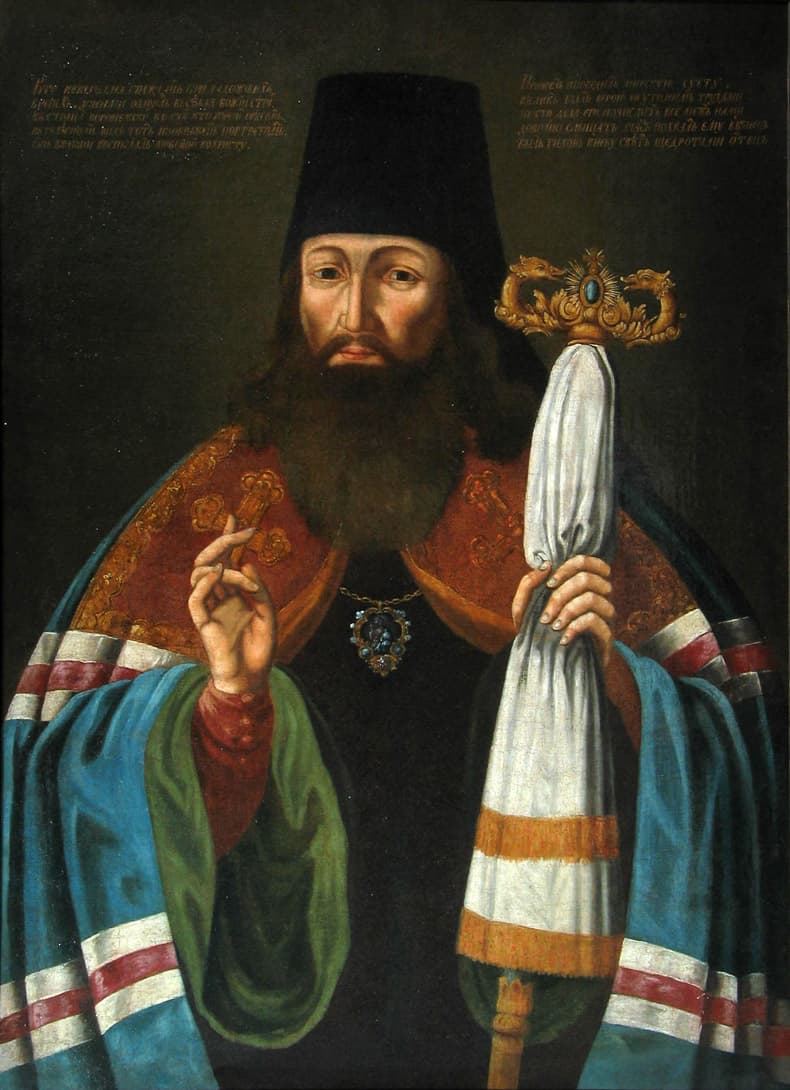
Tikhon of Zadonsk
Tikhon of Zadonsk was an 18th-century Russian Orthodox bishop and spiritual writer who was canonized as a saint in 1861. He is remembered for his energetic commitment to the spiritual education and well-being of his diocese, his profound humility, and his influential writings that inspired Fyodor Dostoevsky.

Joasaph of Belgorod
Joasaph of Belgorod was an 18th-century Russian Orthodox hierarch who served as the bishop of Belgorod from 1748 until his death in 1754. He is remembered for his pastoral care, visiting the poor and sick, and for the miracles attributed to his incorrupt relics after his death. His glorification in 1911 led to widespread veneration, though his relics were lost and later recovered.