
Innocent of Irkutsk
Innocent of Irkutsk was a missionary to Siberia and the first bishop of Irkutsk in Russia. He is remembered for his missionary work among the local people in Siberia and for his eventual glorification as a saint. His relics were famously found to be incorrupt, leading to widespread veneration.
Key Facts
- ›He was born Ivan Kulczycki to a noble family in the Diocese of Chernigov.
- ›He became a monk at the Lavra of the Kiev Caves in 1706.
- ›Innocent was consecrated bishop of Pereyaslavl in preparation for a mission to China.
- ›He was appointed bishop of Irkutsk in 1727 after being denied entry to China.
- ›His relics were discovered to be incorrupt during church restoration in 1764.
- ›He was glorified a saint by the Russian Orthodox Church in 1804.
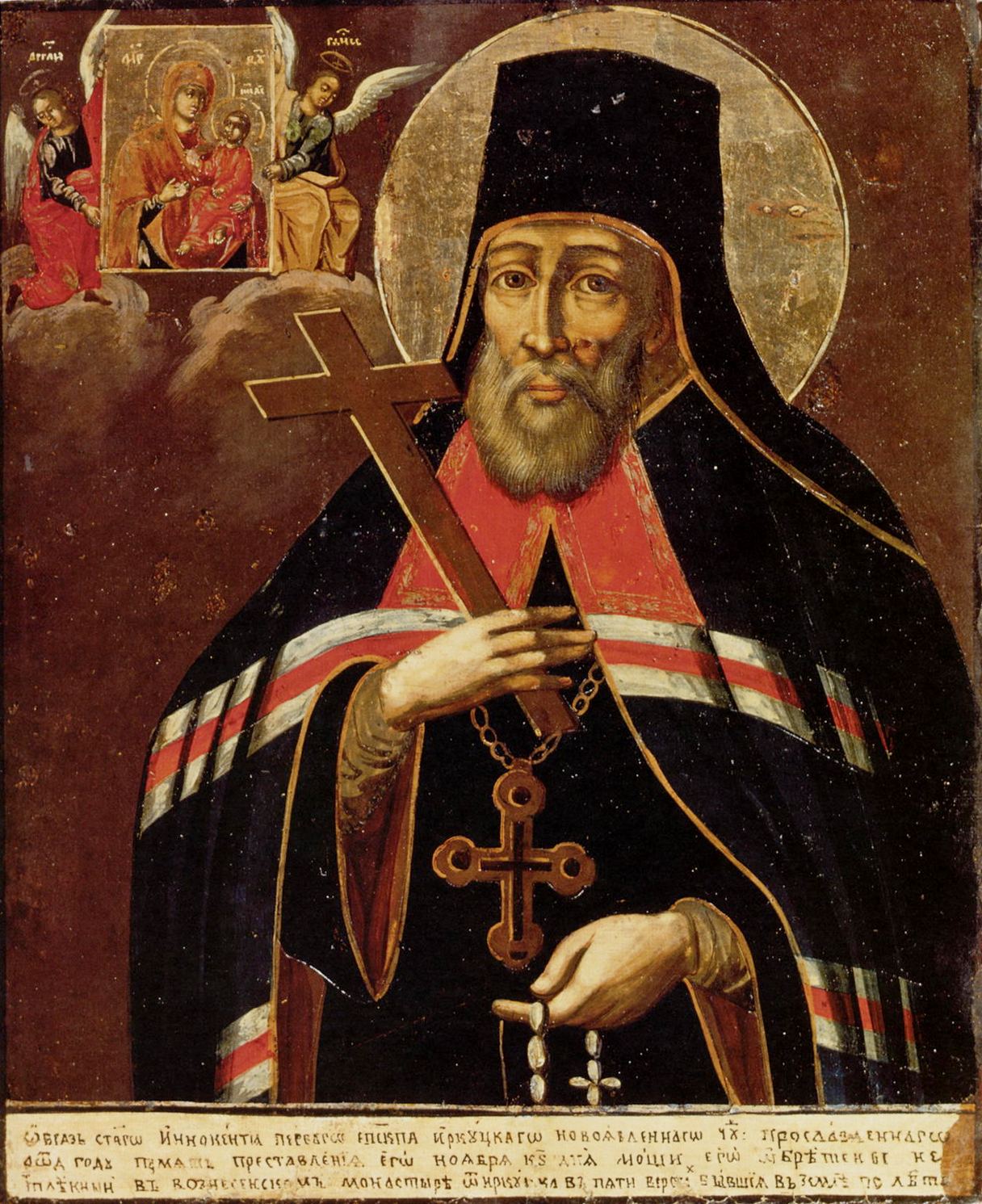
Ivan Kulczycki, Ivan Kouchitzky
China
Lavra of the Kiev Caves
About Innocent of Irkutsk
Innocent of Irkutsk, born Ivan Kulczycki (c. 1680–1731), was a pivotal figure in the Russian Orthodox Church's missionary efforts in Siberia and served as its first bishop of Irkutsk. His life was marked by a deep commitment to monasticism and evangelization.
Early Life and Ministry
Born into a noble family in the Diocese of Chernigov, Ivan Kulczycki embraced monastic life in 1706 at the Lavra of the Kiev Caves. His intellectual and spiritual capabilities led to his appointment as a professor at the Ecclesiastical Academy of Moscow and later as the locum tenens chaplain-general at the Lavra of St. Alexander Nevsky in St. Petersburg. In 1721, he was consecrated bishop of Pereyaslavl, with initial plans for him to lead the Orthodox mission to China.
Bishop of Irkutsk
Circumstances prevented Innocent from entering China, and in 1727, he was appointed to the see of Irkutsk in Siberia. During his tenure, he diligently learned the Mongolian language and actively preached to the indigenous populations, achieving numerous conversions. He died in Irkutsk in 1731 and was buried beneath the altar of the Tikhvin church at the Ascension Monastery.
Veneration and Legacy
Innocent's profound spiritual significance became evident in 1764 when his relics were discovered to be incorrupt during restoration work on the church. This miraculous discovery, coupled with many reported miracles attributed to his intercession, led to his glorification as a saint by the Russian Orthodox Church in 1804. His feast day was subsequently moved to November 26th, the day before the commemoration of the icon of the Theotokos "Of the Sign" of Novgorod, to avoid conflict.
In modern times, Innocent's relics faced challenges when confiscated by the Soviet government in 1921 and displayed as a "Siberian mummy" after the church was destroyed. However, his relics were returned to the church on September 7, 1990, reaffirming his enduring veneration. He is sometimes confused with the later Innocent of Alaska, who was named in his honor. Due to his early leadership role in the mission to China, Innocent of Irkutsk is regarded by many Chinese Orthodox Christians today as their patron saint.
Source: Wikipedia ↗
Frequently Asked Questions
Who was Innocent of Irkutsk?
Innocent of Irkutsk was a missionary to Siberia and the first bishop of Irkutsk, Russia. Born Ivan Kulczycki, he became a monk before his consecration as a bishop.
What was Innocent of Irkutsk known for?
He is primarily known for his missionary work in Siberia, where he learned Mongolian and preached to the local population, converting many. He was also the first bishop of Irkutsk.
When was Innocent of Irkutsk canonized?
Innocent of Irkutsk was glorified a saint by the Russian Orthodox Church in 1804, following numerous miracles attributed to his intercession.
What is significant about Innocent of Irkutsk's relics?
During restoration work in 1764, Innocent's relics were found to be incorrupt. This discovery contributed significantly to his veneration and eventual canonization.
Why is Innocent of Irkutsk considered a patron saint of China?
His appointment as the head of the Orthodox mission to China, even though he was not permitted entry, led to him being regarded as the patron saint of China by many Chinese Orthodox Christians today.
Related Saints
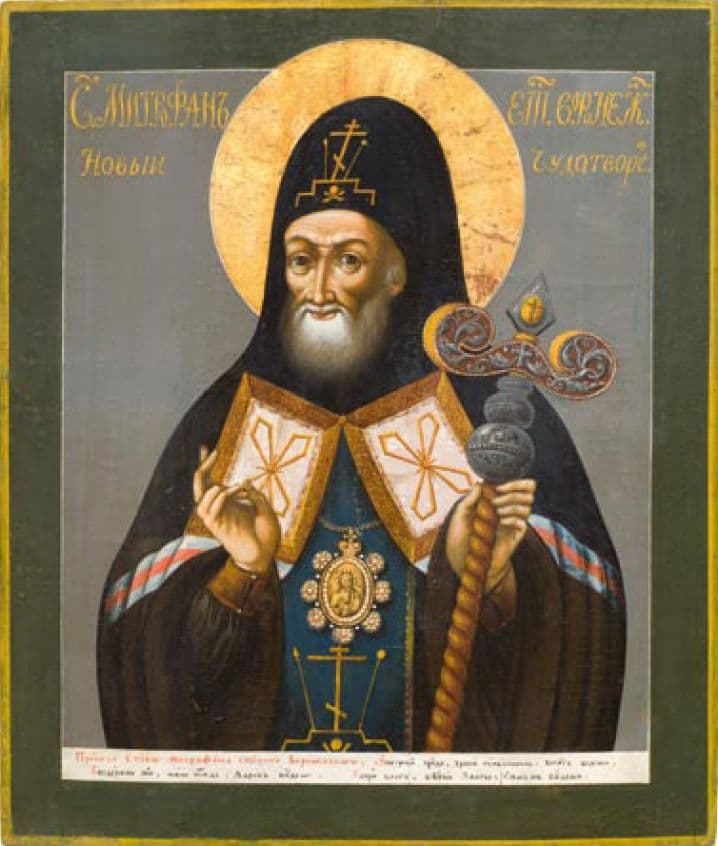
Metrophanes of Voronezh
Metrophanes of Voronezh was the first bishop of Voronezh, appointed in 1682. He is reputed to have possessed miracle-working powers and supported Peter the Great's naval initiatives while being critical of his Westernization policies. His relics are venerated for their healing powers, and he is a significant figure in Russian Orthodox devotion.
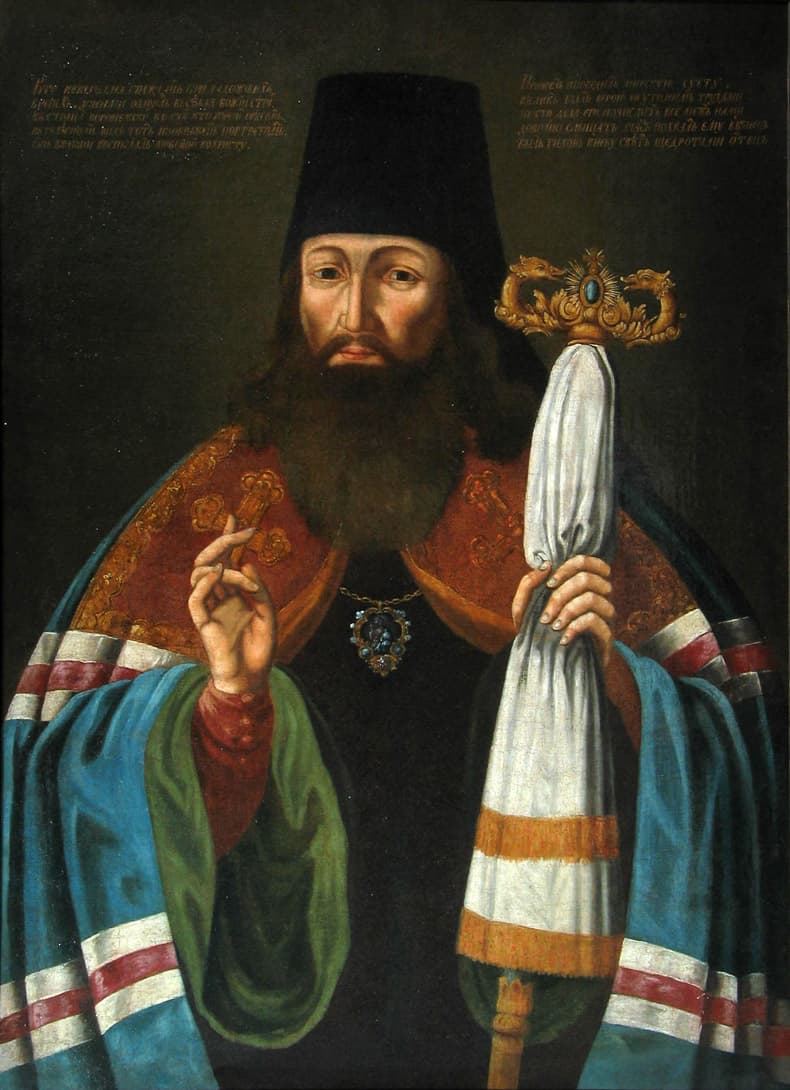
Tikhon of Zadonsk
Tikhon of Zadonsk was an 18th-century Russian Orthodox bishop and spiritual writer who was canonized as a saint in 1861. He is remembered for his energetic commitment to the spiritual education and well-being of his diocese, his profound humility, and his influential writings that inspired Fyodor Dostoevsky.
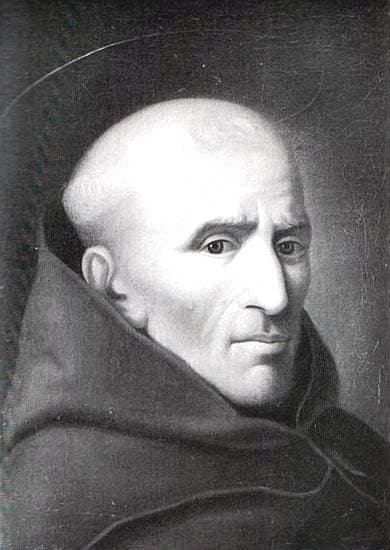
Leonard of Port Maurice
Leonard of Port Maurice was an Italian Franciscan friar and preacher, renowned for his extensive missionary work throughout Italy in the 18th century. He is particularly remembered for his fervent promotion of the Way of the Cross and his efforts to spread devotion to the Sacred Heart of Jesus and the Immaculate Conception of Mary.