
Tikhon of Zadonsk
August 26·18th century·Russia
Tikhon of Zadonsk was an 18th-century Russian Orthodox bishop and spiritual writer who was canonized as a saint in 1861. He is remembered for his energetic commitment to the spiritual education and well-being of his diocese, his profound humility, and his influential writings that inspired Fyodor Dostoevsky.
Key Facts
- ›Tikhon of Zadonsk was born Timofey Savelyevich Sokolov in 1724 and died in 1783.
- ›He served as Bishop of Voronezh from 1763 to 1769, where he focused on spiritual education and revitalizing the church.
- ›Due to ILL health, he retired to the monastery at Zadonsk in 1769, where he wrote extensively.
- ›His major works include "a Spiritual Treasury Gathered from the World" and "on True Christianity."
- ›His relics were uncovered in 1846 and were rumored to be incorrupt, with numerous miracles reported.
- ›The Eastern Orthodox Church glorified him as a saint in 1861.
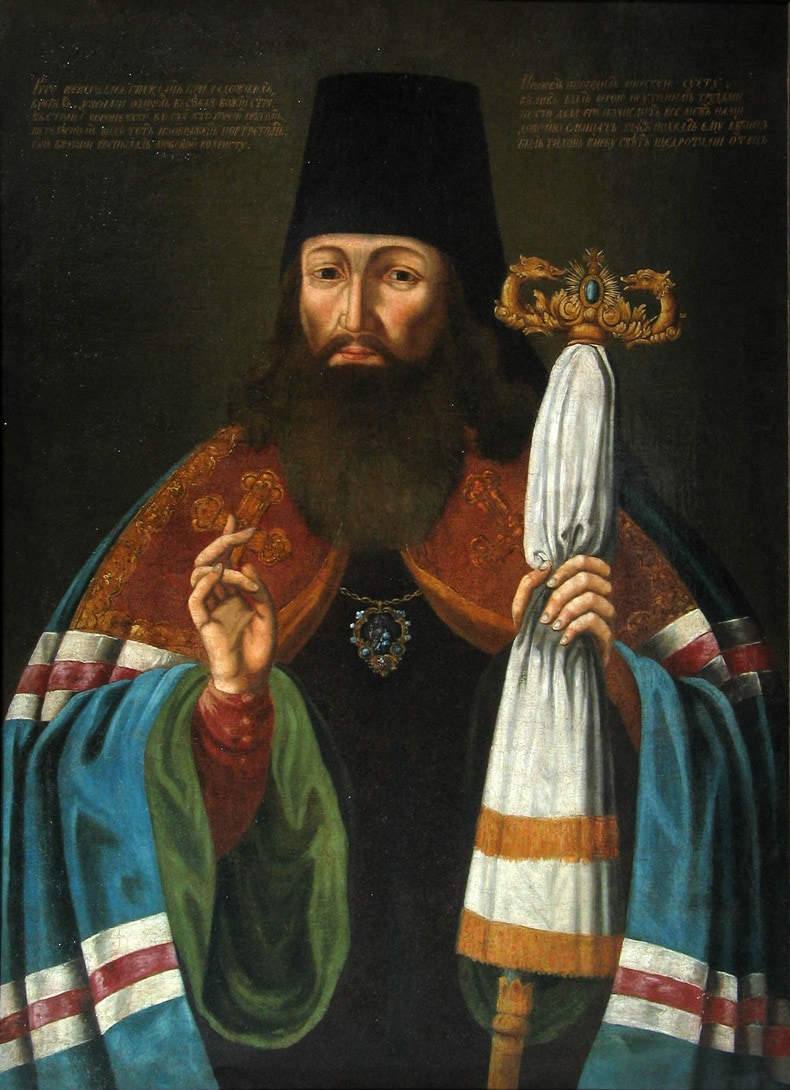
Timofey Savelyevich Sokolov, Tikhon of Voronezh
About Tikhon of Zadonsk
Saint Tikhon of Zadonsk (1724–1783) was an 18th-century Russian Orthodox bishop and a highly influential spiritual writer. Born Timofey Savelyevich Sokolov in Novgorod, he experienced extreme poverty in his youth, working as a peasant laborer before entering the Novgorod Seminary on a grant. There, he excelled in his studies and later taught Greek, Rhetoric, and Philosophy. He became a monk in 1758 and was consecrated a bishop in 1761, eventually serving as Bishop of Voronezh from 1763.
As bishop, Tikhon was known for his energetic dedication to the spiritual welfare of his flock, both clergy and laity. He promoted education, reformed judicial administration, and encouraged the revival of spiritual life through preaching and writing. Due to declining health, he retired in 1769 to the monastery at Zadonsk, where he spent the remainder of his life in asceticism and theological study. Despite his personal struggles with weariness and melancholy, he was renowned for his deep humility, kindness, and wisdom, drawing many to seek his counsel.
Major Works and Influence
During his retirement, Tikhon authored significant works such as "A Spiritual Treasury Gathered from the World" (1770) and "On True Christianity" (1776). His writings, characterized by artistic simplicity and lucidity, explored mystical ethics and theology based on personal experience. His profound spirituality and compassionate nature deeply impressed the renowned Russian author Fyodor Dostoevsky, who incorporated elements of Tikhon's teachings and character into his novels, most notably in the characters of Bishop Tikhon in "Demons" and Elder Zosima in "The Brothers Karamazov." Tikhon's emphasis on love, self-knowledge, and the divine resonated powerfully within Russian intellectual and spiritual life.
Veneration
Following his death, Tikhon's relics were uncovered in 1846 and were believed to be incorrupt, accompanied by numerous reports of miracles. The Eastern Orthodox Church officially glorified him as a saint in 1861. His feast day is celebrated on August 26 (Gregorian Calendar). His legacy endures through his writings and his impact on Russian literature and Orthodox spirituality.
Source: Wikipedia ↗
Frequently Asked Questions
When was Tikhon of Zadonsk born and when did he die?
Tikhon of Zadonsk was born in 1724 and died in 1783. His secular name was Timofey Savelyevich Sokolov.
What was Tikhon of Zadonsk's role in the Eastern Orthodox Church?
Tikhon served as a bishop in the Russian Orthodox Church, notably as the Bishop of Voronezh. He was later canonized as a saint by the Eastern Orthodox Church in 1861.
Why is Tikhon of Zadonsk remembered as a spiritual writer?
During his retirement at the Zadonsk monastery, Tikhon wrote several influential books and treatises on spiritual matters, including "A Spiritual Treasury Gathered from the World" and "On True Christianity."
What is the significance of Tikhon of Zadonsk's relics?
Tikhon's relics were uncovered in 1846 and were reported to be incorrupt. Numerous miracles were said to have occurred near them, contributing to his veneration.
How did Tikhon of Zadonsk influence literature?
The Russian author Fyodor Dostoevsky was deeply inspired by Tikhon of Zadonsk's teachings and character. Aspects of Tikhon's life and thought are reflected in characters such as Bishop Tikhon in "Demons" and Elder Zosima in "The Brothers Karamazov."
Related Saints
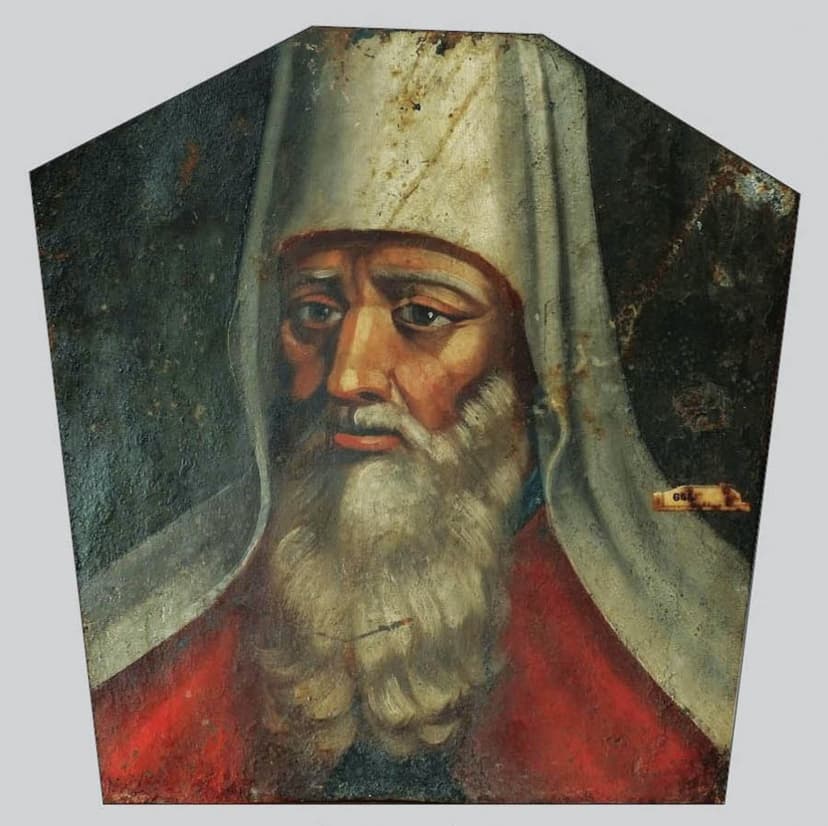
John of Tobolsk
John of Tobolsk was a Ukrainian Cossack-born clergyman who served as the Russian Orthodox archbishop of Chernigov and later metropolitan of Tobolsk and all Siberia. He is remembered for his theological writings, particularly "Iliotropion," and for his missionary and educational work in Siberia. Officially canonized by the Russian Orthodox Church in 1916, he is venerated for his spiritual leadership and the miracles attributed to him.
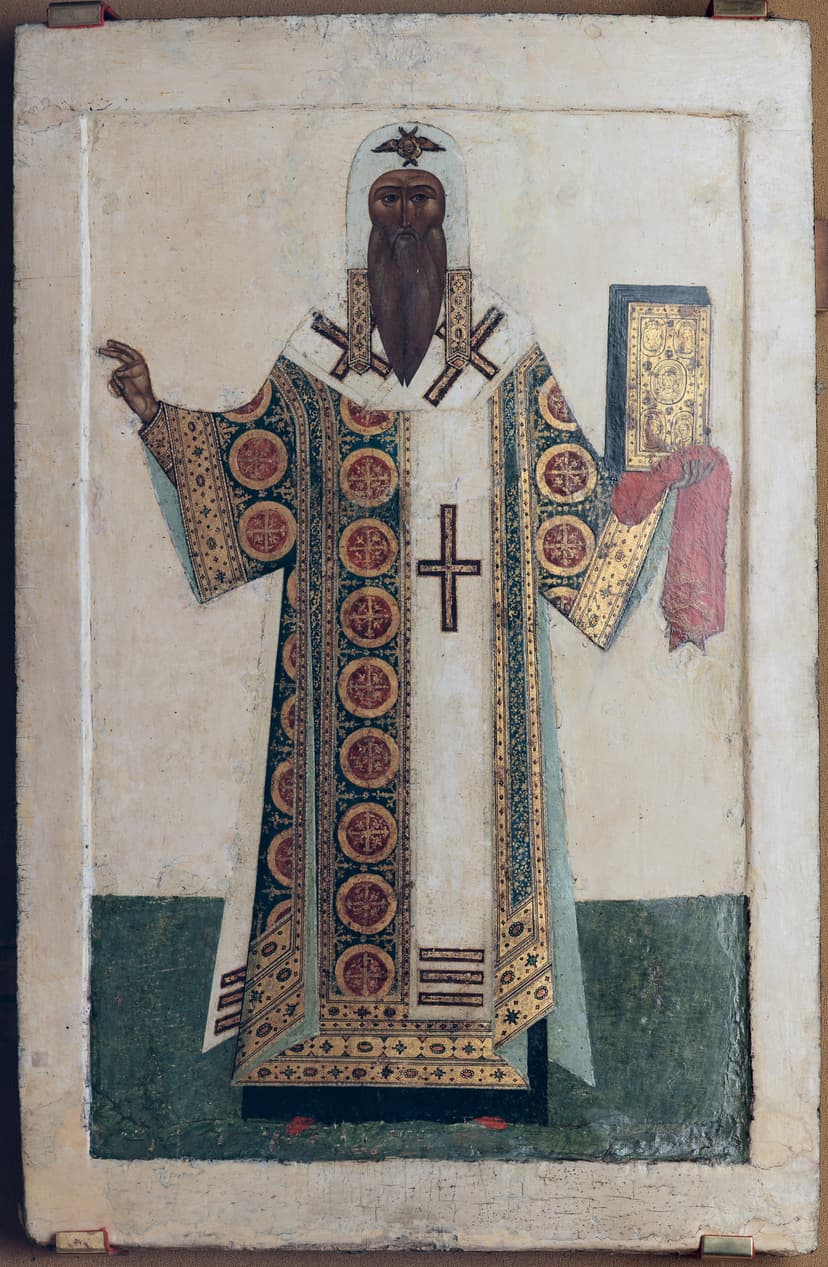
Macarius of Moscow
Macarius of Moscow was Metropolitan of Moscow and all Rus' from 1542 to 1563, serving as the primate of the Russian Orthodox Church. He is remembered as a significant cleric, writer, and icon painter who played a crucial role in church reforms and state affairs during the reign of Ivan the Terrible. Macarius is particularly noted for his compilation of saints' lives and his role in the canonization of numerous Russian saints.
Catherine of Bologna
Catherine of Bologna was an Italian Poor Clare nun, mystic, artist, and writer, venerated for her piety and spiritual teachings. She is remembered as the patron saint of artists and against temptations, and her incorrupt body is displayed in Bologna. Her formal canonization occurred in 1712.