
Macarius of Moscow
Macarius of Moscow was Metropolitan of Moscow and all Rus' from 1542 to 1563, serving as the primate of the Russian Orthodox Church. He is remembered as a significant cleric, writer, and icon painter who played a crucial role in church reforms and state affairs during the reign of Ivan the Terrible. Macarius is particularly noted for his compilation of saints' lives and his role in the canonization of numerous Russian saints.
Key Facts
- ›Macarius served as Metropolitan of Moscow and all Rus' from 1542 to 1563.
- ›He was a skilled icon painter and a supporter of Joseph Volotsky.
- ›Macarius compiled the Great Menaion Reader, a 12-volume collection of Russian saints' lives.
- ›He played a key role in the coronation and marriages of Ivan the Terrible.
- ›Macarius presided over synods that led to the canonization of 39 all-Russian saints.
- ›He was canonized by the Russian Orthodox Church in 1988.
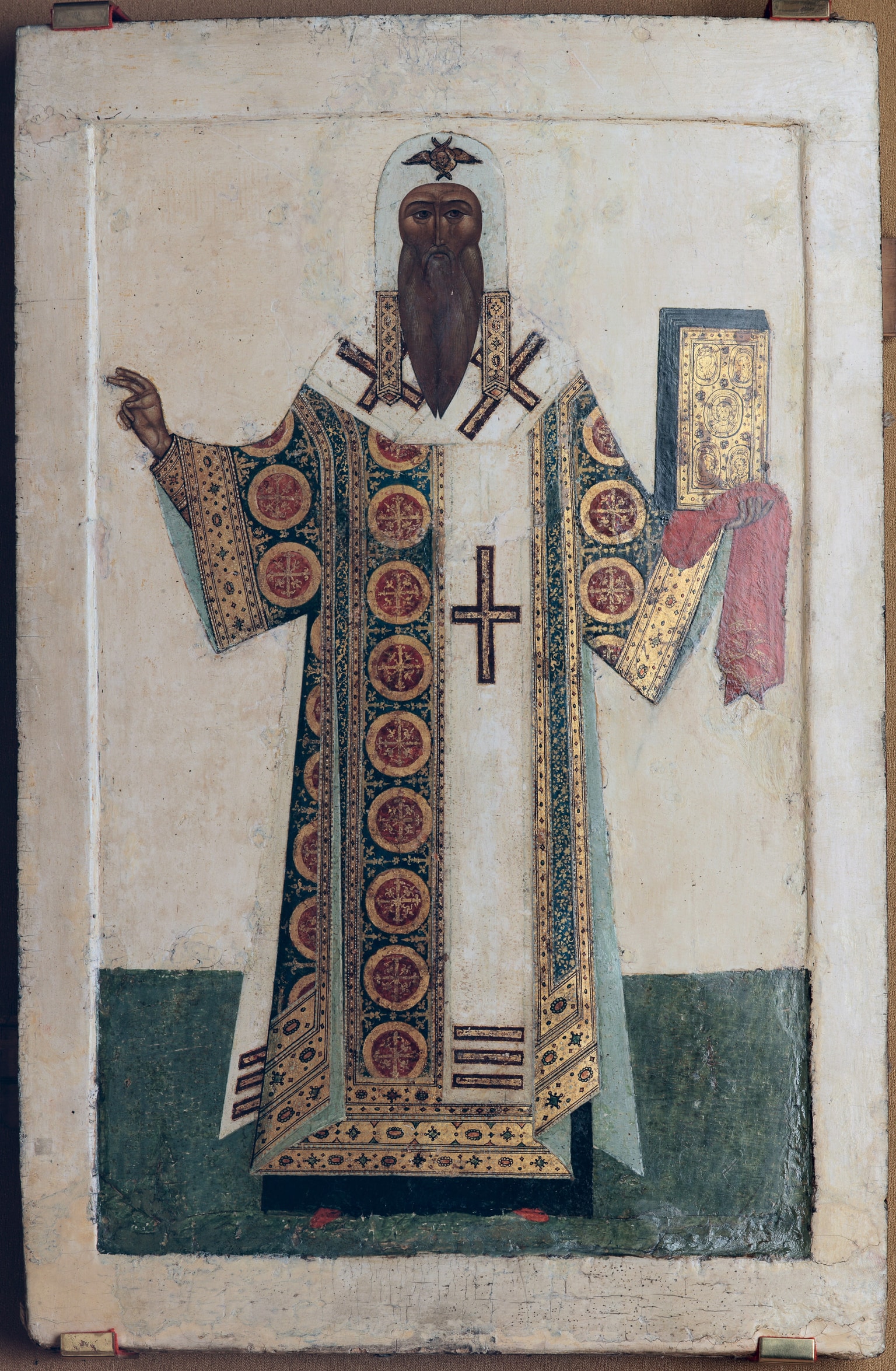
Mikhail (secular name, thought to be)
Icons
About Macarius of Moscow
Macarius, born Mikhail in 1482, served as the Metropolitan of Moscow and all Rus' from 1542 until his death on January 12, 1563. As the primate of the Russian Orthodox Church, he was a central figure in both religious and state affairs during a pivotal period in Russian history, particularly under the reign of Ivan the Terrible.
Early Life and Monasticism
Macarius began his religious life as a monk at the St. Paphnutius Monastery in Borovsk, where he progressed through the ranks of reader, subdeacon, deacon, and priest. During this time, he developed significant skills as an icon painter and became a proponent of the teachings of Joseph Volotsky. His early career saw him elevated to archimandrite in Mozhaisk and later appointed archbishop of Novgorod, where he pursued policies favorable to Moscow and initiated missionary work among Finno-Ugric peoples.
Metropolitan of Moscow and Influence on State Affairs
Elected Metropolitan of Moscow in 1542, Macarius became one of Ivan the Terrible's closest advisors. He played a crucial role in the Tsar's coronation in 1547 and blessed his marriages. Macarius participated in important state assemblies, known as zemsky sobors, and was instrumental in advocating for reconciliation among feuding boyar factions. He also served as a de facto head of state during Ivan IV's absences from Moscow.
Literary and Ecclesiastical Contributions
Macarius was a prolific writer and compiler. His most significant literary achievement is the Great Menaion Reader, a twelve-volume collection of the lives of Russian saints. He also initiated the Stepennaya Kniga, a chronicle tracing Ivan the Terrible's lineage. Through his leadership in various synods, notably the Stoglav Sobor, Macarius oversaw the canonization of 39 all-Russian saints, solidifying their veneration within the Russian Church. He also supported the work of early Russian printers, such as Ivan Fyodorov.
Later Years and Legacy
In his later years, Macarius gradually withdrew from direct involvement in state affairs, focusing on his literary projects and the renovation of icons. His death in 1563 marked the end of a significant era in Russian ecclesiastical leadership. Macarius was officially canonized by the Russian Orthodox Church in 1988, although his veneration as a saint dates back to earlier centuries. His icon is displayed at the entrance to the Russian State Archive of Ancient Documents in Moscow, symbolizing his enduring connection to Russian history and faith.
Source: Wikipedia ↗
Frequently Asked Questions
When was Macarius of Moscow born and when did he die?
Macarius of Moscow was born in 1482 and died on January 12, 1563. He served as the Metropolitan of Moscow and all Rus' for over two decades.
What was Macarius of Moscow known for as a writer and icon painter?
Macarius is renowned for his compilation of the Great Menaion Reader, a monumental work detailing the lives of Russian saints. He was also a skilled icon painter and is credited with beginning the Stepennaya Kniga, which traced the lineage of Ivan the Terrible.
What was Macarius's role in the reign of Ivan the Terrible?
Macarius was a close advisor to Ivan the Terrible, arranging his coronation and marriages, and advocating for conciliation between boyar factions. He also acted as a temporary head of state when the Tsar was away.
What significant church councils did Macarius lead?
Macarius presided over several important church councils, including the Stoglav Sobor in 1551. These synods were instrumental in standardizing church practices and led to the canonization of 39 Russian saints.
When was Macarius of Moscow canonized?
Macarius of Moscow was canonized by the Russian Orthodox Church in 1988. However, he was already recognized in lists of saints dating back to the 18th century.
Related Saints
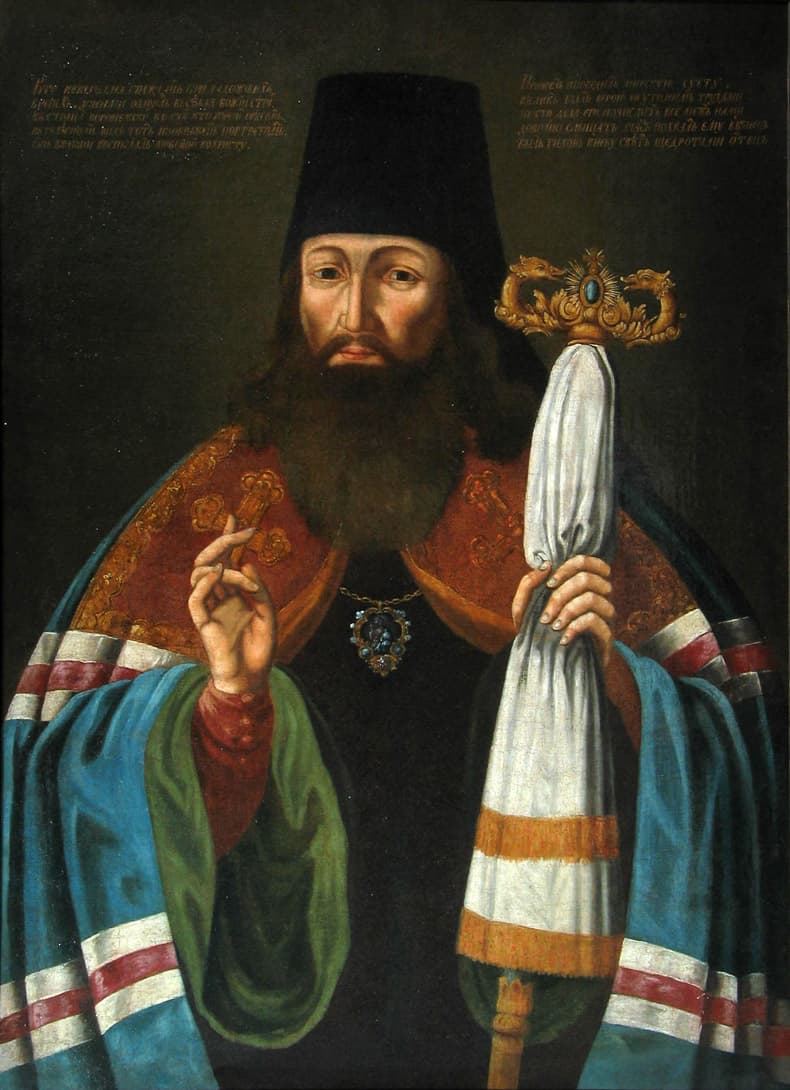
Tikhon of Zadonsk
Tikhon of Zadonsk was an 18th-century Russian Orthodox bishop and spiritual writer who was canonized as a saint in 1861. He is remembered for his energetic commitment to the spiritual education and well-being of his diocese, his profound humility, and his influential writings that inspired Fyodor Dostoevsky.
George of Kratovo
George of Kratovo was a 16th-century South Slavic writer and silversmith who became an Orthodox martyr. He is primarily remembered for his refusal to convert to Islam, which led to him being burned alive by Ottoman Turks. His commemoration as a "New Martyr" became significant during the Bulgarian National Revival.
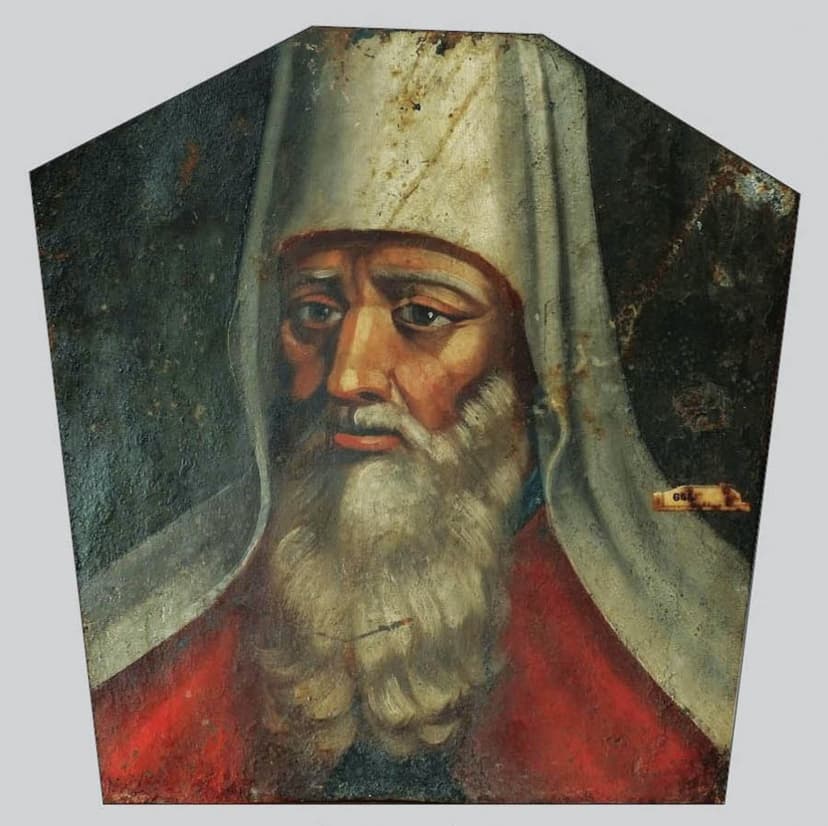
John of Tobolsk
John of Tobolsk was a Ukrainian Cossack-born clergyman who served as the Russian Orthodox archbishop of Chernigov and later metropolitan of Tobolsk and all Siberia. He is remembered for his theological writings, particularly "Iliotropion," and for his missionary and educational work in Siberia. Officially canonized by the Russian Orthodox Church in 1916, he is venerated for his spiritual leadership and the miracles attributed to him.