
Matrona of Moscow
Matrona of Moscow was a Russian Orthodox saint known for her gifts of prophecy, spiritual vision, and healing from childhood. Despite being born blind, she is venerated for her spiritual insights, advice, and miraculous intercessions, which offered comfort and guidance to many during times of hardship and revolution. Her gravesite and later her relics became significant pilgrimage destinations, solidifying her place as a beloved figure in Russian Orthodox devotion.
Key Facts
- ›Matrona was born in 1881 or 1885 in the village of Sebino, Tula Province, Russia.
- ›She was born blind with closed eyelids and a cross-shaped birthmark on her chest.
- ›By the age of eight, she reportedly displayed prophetic and healing abilities.
- ›Following the Russian Revolution, she moved to Moscow and lived a life of wandering, offering spiritual counsel.
- ›She is said to have predicted her own death three days in advance.
- ›Matrona was canonized by the Russian Orthodox Church, and her remains are now in Moscow.
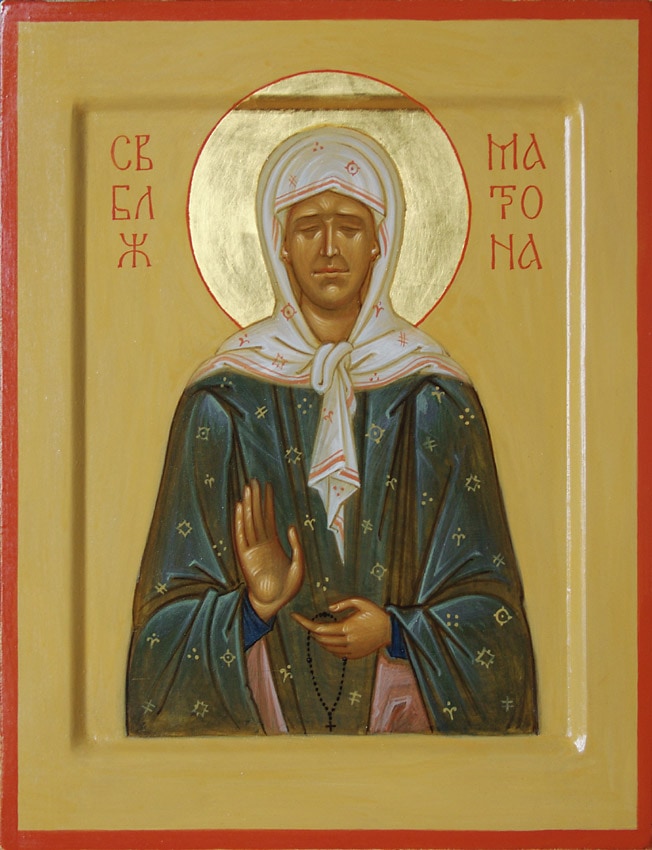
- Blessed Matrona Dimitrievna Nikonova (Moskovskaya)
About Matrona of Moscow
Matrona of Moscow, born Matrona Dimitrievna Nikonova (c. 1881/1885 – May 2, 1952), is a revered saint of the Russian Orthodox Church, celebrated for her extraordinary spiritual gifts. Despite being born blind, with eyelids sealed over empty eye sockets, she displayed remarkable prophetic, clairvoyant, and healing abilities from a very young age. These gifts made her a beacon of spiritual guidance and comfort to many, particularly during the tumultuous period of the Russian Revolution and its aftermath.
Early Life and Spiritual Gifts
Born in the village of Sebino in Tula Province, Matrona's birth was accompanied by signs interpreted as divine. Her mother's dream foretold her daughter's unique destiny. By the age of eight, Matrona was known for her ability to foretell events and to alleviate suffering. These spiritual manifestations continued throughout her life, drawing people to seek her counsel and intercession.
Life Amidst Revolution and Persecution
Following the 1917 Russian Revolution, Matrona, alongside many others, became a displaced person. She eventually settled in Moscow around 1925, leading a life of humble wandering and finding refuge in the homes of friends and relatives, often in basements. Despite the intense religious persecution of the Soviet era, during which many faithful were sent to the Gulag or exiled, Matrona's location was never revealed by those she helped. Her ability to offer solace and wisdom made her a vital spiritual resource for a populace facing immense hardship.
Later Life and Legacy
Matrona is credited with numerous miracles and acts of spiritual insight. She is said to have predicted her own death three days in advance, continuing to receive visitors until her final moments. After her passing in 1952, her gravesite in Moscow quickly became a significant pilgrimage site. In recognition of her life of devotion and spiritual impact, Matrona was canonized by the Russian Orthodox Church. Her relics are now enshrined in the Church of the Protecting Veil of Our Lady at Intercession Convent in Moscow, where long lines of pilgrims regularly seek her intercession. A monastery in her honor is also being established in Republika Srpska.
Source: Wikipedia ↗
Frequently Asked Questions
When was Matrona of Moscow born?
Matrona of Moscow was born between 1881 and 1885. The exact year is not definitively recorded, but her parents were Dimitry Ioannovich and Natalia Nikitichna Nikonov.
What spiritual gifts did Matrona of Moscow possess?
From early childhood, Matrona was said to possess the gifts of prophecy, spiritual vision, and healing. She offered advice and help to many people who sought her out.
How did Matrona of Moscow live after the Russian Revolution?
Following the Russian Revolution of 1917, Matrona became homeless and moved to Moscow around 1925. She lived a life of wandering, finding shelter with friends and relatives, and continued to preach the Orthodox faith.
Where are the relics of Matrona of Moscow kept?
The relics of Matrona of Moscow are now kept in the Church of the Protecting Veil of Our Lady at Intercession Convent in Moscow. Her gravesite also became a pilgrimage destination after her death.
When is the feast day of Matrona of Moscow?
The feast day of Matrona of Moscow is commemorated by the Orthodox Church on May 2. She is also venerated in the Romanian Orthodox Church.
Related Saints
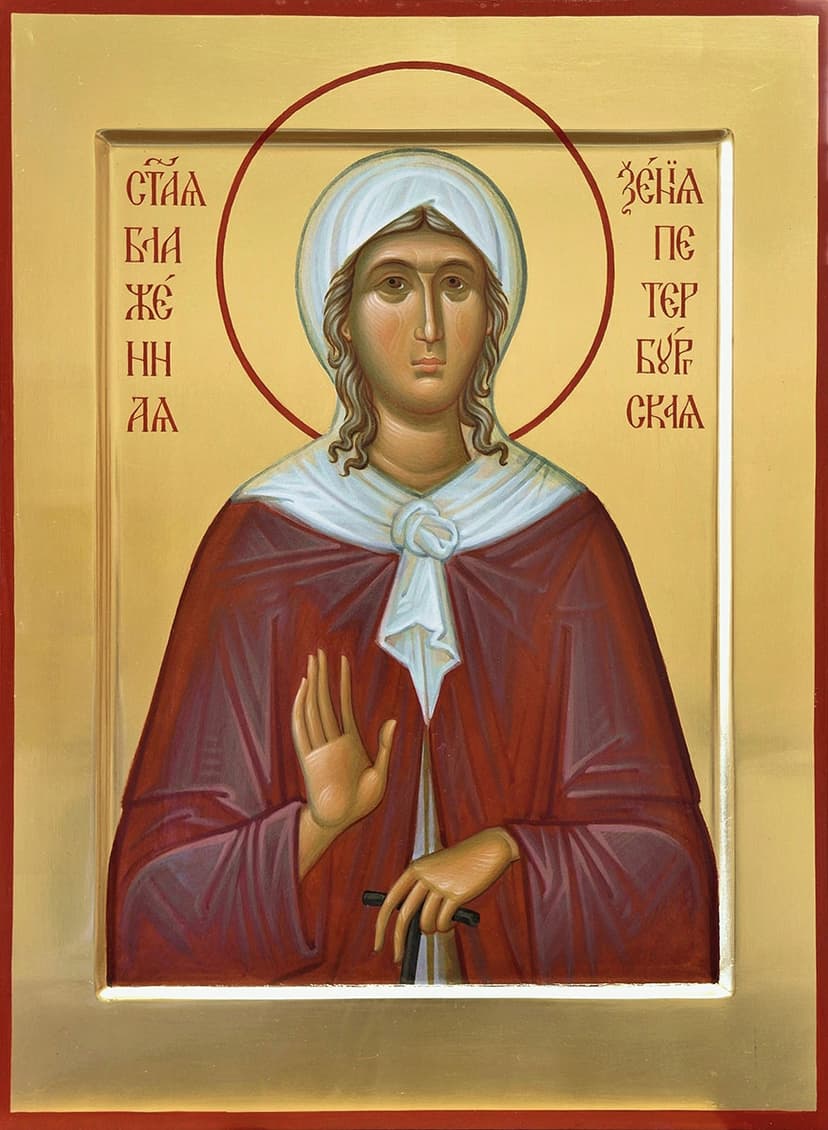
Xenia of Saint Petersburg
Xenia of Saint Petersburg is a patron saint of the city, venerated for her radical devotion after her husband's death. She became a "fool-for-Christ," renouncing her possessions and worldly status to live a life of prayer and service on the streets, traditionally wearing her late husband's uniform. She is remembered for her intercessions in various life matters, including employment, marriage, and the homeless.
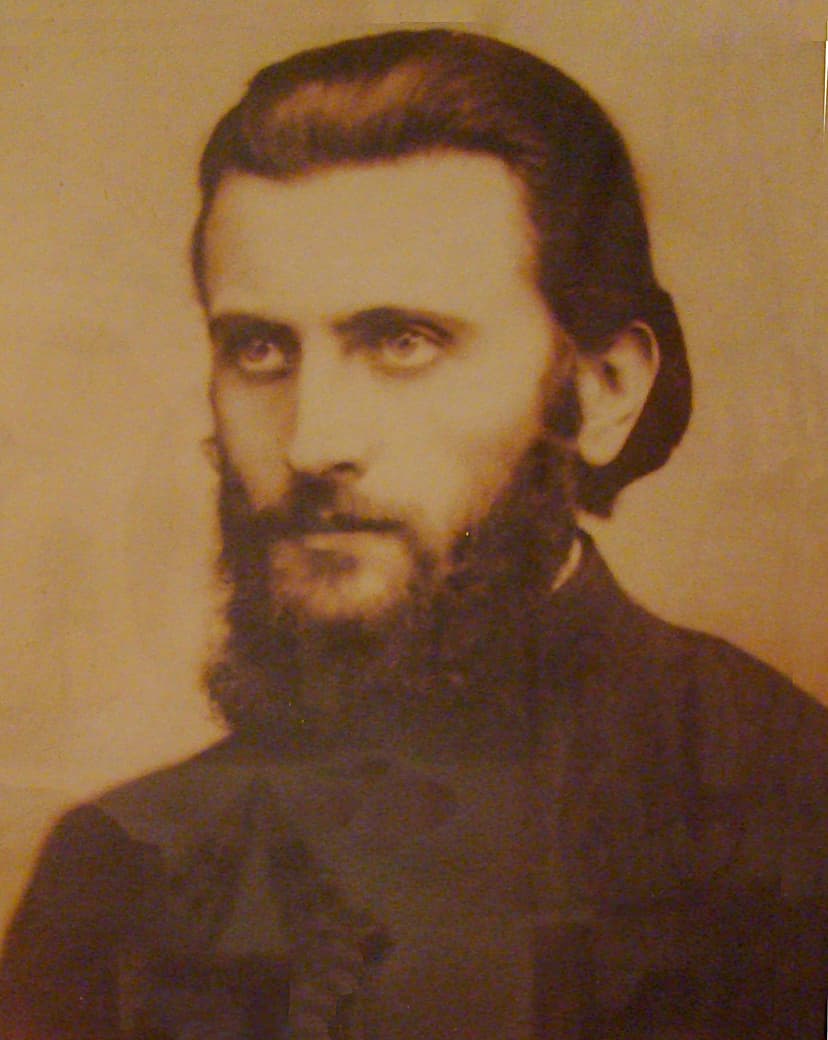
Arsenie of Prislop
Arsenie of Prislop was a Romanian priest, theologian, mystic, and artist who faced persecution by the Romanian Communist Party. He is venerated as a saint in the Romanian Orthodox Church and is remembered for his spiritual teachings and artistic contributions, particularly his religious paintings.
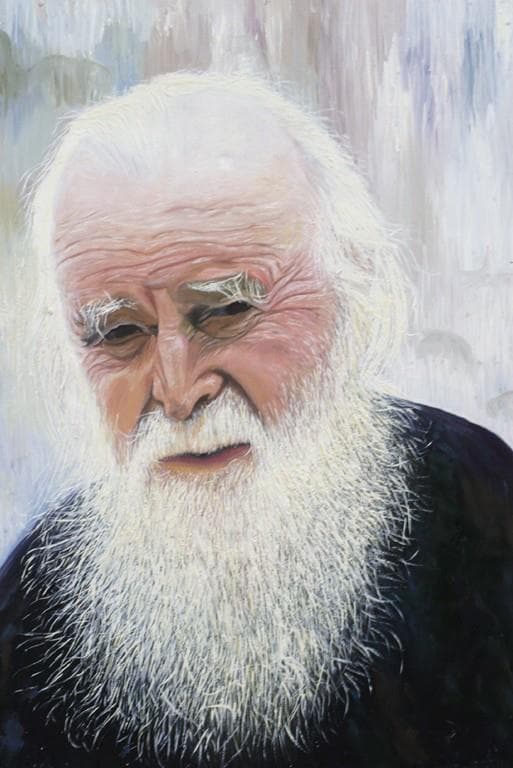
Sofian Boghiu
Sofian Boghiu was a Romanian Orthodox hieromonk, church painter, and confessor known for his association with Antim Monastery in Bucharest and the "Burning Bush" hesychast circle. He endured imprisonment under the communist regime before returning to serve as abbot and a widely sought spiritual father, earning the title "Apostle of Bucharest" for his extensive pastoral work. He is remembered as a confessor of the faith, a spiritual father, and a church painter, and was canonized by the Romanian Orthodox Church in 2025.