
Macedonius II of Constantinople
Macedonius II of Constantinople served as Patriarch of Constantinople from 496 to 511. He is primarily remembered for his steadfast refusal to condemn the Council of Chalcedon, enduring persecution and eventual exile from Emperor Anastasius I. His resistance made him a significant figure in the theological disputes of his era.
Key Facts
- ›Macedonius II was patriarch of Constantinople from 496 to 511.
- ›He confirmed the acts of the Council of Chalcedon in writing.
- ›Emperor Anastasius I attempted to force him to declare against the Council of Chalcedon.
- ›Macedonius II faced persecution, including attempts on his life and public outrage.
- ›He was eventually exiled to Eucaïta in Pontus.
- ›Macedonius II died in exile around 517.
Macedonius II
About Macedonius II of Constantinople
Macedonius II served as the Patriarch of Constantinople from 496 to 511. He is a significant figure in the history of the early Byzantine Church, primarily known for his staunch defense of the Council of Chalcedon against imperial attempts to have it condemned.
Life and Ministry
Little is recorded about the early life of Macedonius II. His tenure as patriarch was marked by intense theological and political conflict, largely driven by Emperor Anastasius I. The emperor sought to impose a theological position that opposed the Council of Chalcedon, which had affirmed the two natures of Christ. Macedonius II, however, consistently upheld the council's decrees, confirming them in writing and refusing to sanction the deposition of other bishops who held similar views, such as Elias I of Jerusalem.
Persecution and Exile
Emperor Anastasius I employed various means to compel Macedonius II to recede from his position. These tactics included attempts to assassinate him, the use of Eutychian monks and clergy to incite public outrage, and pressure from city magistrates. Macedonius II remained resolute, even demanding that any ecumenical council convened to discuss the matter should have the bishop of Rome presiding. He also insisted on upholding the faith as defined by the early councils and anathematizing figures like Nestorius and Eutyches. The emperor's attempts to tamper with his beliefs and to obtain an authentic copy of the Council of Chalcedon's acts were repeatedly thwarted by Macedonius II.
Ultimately, Anastasius I had Macedonius II forcibly removed and exiled. He was taken to Chalcedon and then to Eucaïta in Pontus, the place of his predecessor's exile. Despite efforts by Pope Hormisdas to secure his restitution, Emperor Anastasius never fulfilled promises made in a treaty to restore deposed bishops. Macedonius II died in exile around 517, having sought refuge in Gangra due to fears of incursions by the Huns.
Source: Wikipedia ↗
Frequently Asked Questions
What was Macedonius II's role in the church?
Macedonius II served as the Patriarch of Constantinople from 496 to 511. As patriarch, he held a high ecclesiastical office within the Byzantine Empire.
Why is Macedonius II remembered?
He is primarily remembered for his unwavering support of the Council of Chalcedon. Despite immense pressure and persecution from Emperor Anastasius I, Macedonius II refused to renounce the council's decrees.
What challenges did Macedonius II face?
Macedonius II faced significant challenges from Emperor Anastasius I, who sought to have him condemn the Council of Chalcedon. These challenges included flattery, threats, hired assassins, public outrage, and eventually exile.
What happened to Macedonius II?
Due to his refusal to comply with the emperor's demands, Macedonius II was eventually deposed and exiled. He died in exile around 517, having retired to Gangra for safety.
What was the significance of the Council of Chalcedon?
The Council of Chalcedon, held in 451, was a major ecumenical council of the early Christian church. Its decrees, particularly concerning the nature of Christ, were a point of contention and theological debate for decades, influencing the actions of figures like Macedonius II.
Related Saints
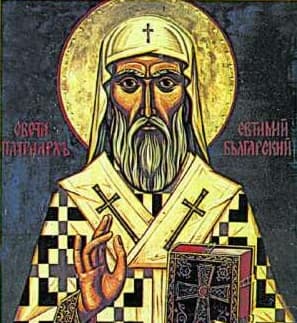
Euthymius of Tarnovo
Euthymius of Tarnovo was the last Patriarch of Bulgaria in the Second Bulgarian Empire, serving from 1375 to 1393. He is considered one of medieval Bulgaria's most significant figures, known for his support of hesychasm and his authoritative role in the Eastern Orthodox world. Euthymius is chiefly remembered for his extensive literary and linguistic reforms, which standardized Church Slavonic texts for Orthodox churches across Eastern Europe.
George the Confessor
George the Confessor was an 8th-century Bishop of Antioch in Pisidia, venerated for his steadfast adherence to icon veneration. He is remembered for his refusal to comply with iconoclast councils, leading to his exile, and his later participation in the restoration of icon veneration.
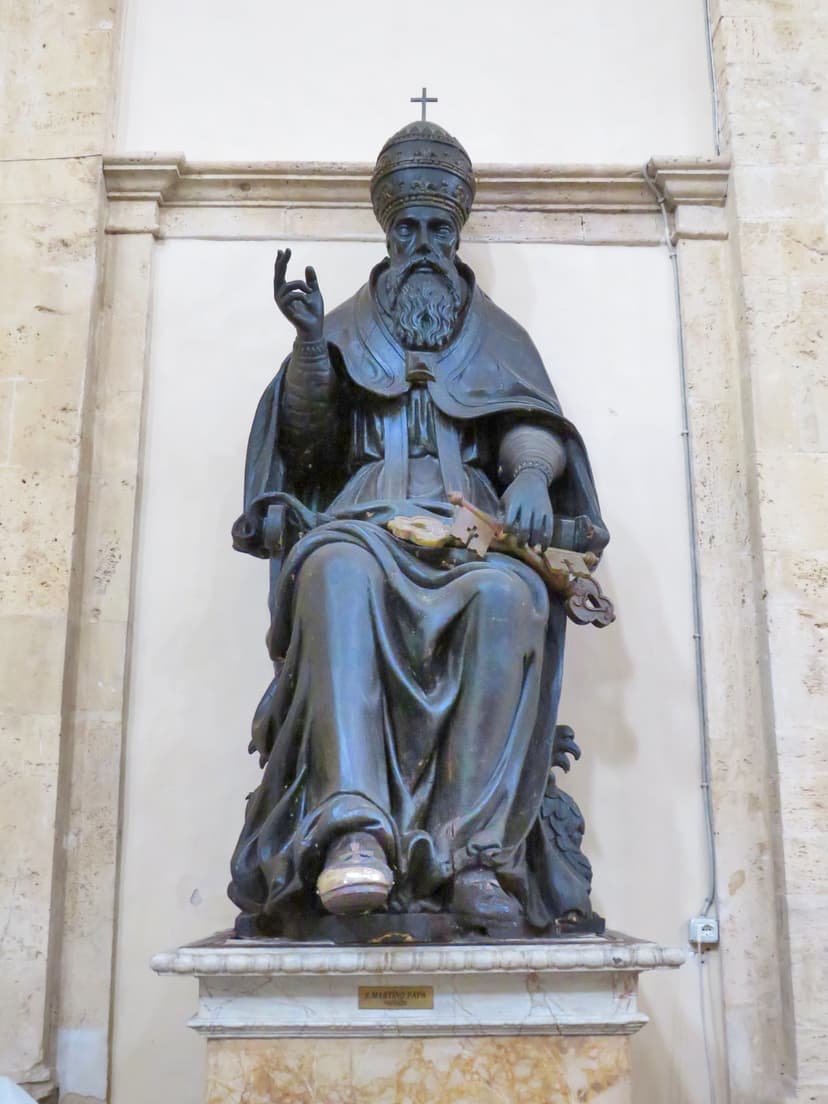
Martin the Confessor
Pope Martin I, also known as Martin the Confessor, served as bishop of Rome from 649 to 653 or 654. He is remembered for his strong opposition to Monothelitism, which led to his arrest and exile by Emperor Constans II. Martin is venerated as a saint by both the Catholic and Eastern Orthodox Churches, and is recognized as the last pope to be considered a martyr.