
Lazarus the Iconographer
Lazarus the Iconographer was a 9th-century Byzantine monk, priest, and saint, celebrated as the first iconographer to be formally canonized. He is remembered for his unwavering devotion to creating and restoring holy images during the period of Byzantine Iconoclasm, even under severe persecution from the emperor. His ability to paint icons was considered a divine gift, and he served as a symbol of perseverance for those who suffered for their faith.
Key Facts
- ›Born in Armenia on November 17, 810, Lazarus became a monk at an early age and was ordained a priest.
- ›He was known for his exceptional skill in painting icons, which was seen as a God-given gift.
- ›During the reign of the iconoclast Emperor Theophilos, Lazarus continued to paint and restore holy images, leading to his imprisonment and severe torture.
- ›Despite losing consciousness and suffering burns to his hands, Lazarus recovered and continued to paint from his cell.
- ›After Theophilos' death, Empress Theodora intervened, leading to Lazarus' release and refuge.
- ›He served as a diplomat, undertaking two missions to Rome to discuss reconciliation between the Catholic and Orthodox Churches.
Lazarus Zographos, Lazarus the Painter, Lazarus the Iconographer
Icons, Paintbrush, Burned Hands
About Lazarus the Iconographer
Lazarus, surnamed Zographos (meaning "the Painter"), was a significant 9th-century Byzantine Christian saint, born in Armenia on November 17, 810. He lived during the era of Byzantine Iconoclasm, a period marked by the prohibition and destruction of religious images. Lazarus holds the distinction of being the first saint to be formally canonized specifically for his role as an iconographer, a veneration later extended to figures like Saint Catherine of Bologna.
Life and Ministry
Lazarus embraced monastic life at a young age and is believed to have honed his painting skills at the Stoudios Monastery in Constantinople. He was recognized for his profound love for Christ, ascetic lifestyle, dedication to prayer, and rejection of worldly vanities, alongside acts of self-control, discipline, and almsgiving. Ordained a priest, Lazarus gained renown for his frescos, which he created by transcribing his inner spiritual contemplation through faith and ritual, leading many to believe his artistic ability was a divine gift.
During the reign of the iconoclast Emperor Theophilos (829–842), Lazarus steadfastly continued his icon painting and began restoring images that had been defaced. His defiance led to his confrontation with the emperor, who, unable to sway him with flattery or bribery, and unable to execute him due to his clerical status, imprisoned him. Accounts describe Lazarus enduring severe torture that caused his flesh to melt and his hands to be burned with red-hot iron, leaving him near death.
Miraculously, Lazarus recovered and began painting holy images from his prison cell. Empress Theodora, an iconodule, intervened after Theophilos' death, convincing him to release Lazarus. He found refuge at Tou Phoberou, a secluded church on the Asiatic shore of the Bosporus. Lazarus later responded to Empress Theodora's plea for forgiveness for her husband's actions by stating that God would not forget their love and labors for Him, nor overvalue her husband's hatred and insanity.
Attributed Artworks and Diplomatic Service
Following the restoration of icons in 843, Lazarus was able to resume his work. Despite his injuries, he is said to have painted a miraculous fresco of St. John at the Phoberos Monastery and famously restored the portrait of Christ known as the Christ Chalkites over the Chalke Gate in Constantinople. While these works no longer exist, pilgrim accounts from centuries later attribute mosaic decorations in the apse of Hagia Sophia to him.
In 856, Lazarus also served as a diplomat for Emperor Michael III, undertaking a mission to Pope Benedict III to foster reconciliation between the Catholic Church of Rome and the Orthodox Church. He undertook a second mission to the Pope in 865, during which he died in Rome on September 28. Though his feast day is celebrated on November 17 in the Orthodox calendar and February 23 in the Roman Catholic calendar, his burial place is recorded as the Monastery of Evandros, near Constantinople.
Legacy
Lazarus the Iconographer's legacy is deeply rooted in his unwavering commitment to his faith and art amidst persecution. His canonization as the first iconographer-saint underscores the importance placed on sacred imagery and the courage of those who defended it. He remains a significant figure for his resilience and his contributions to Byzantine art and inter-church relations.
Source: Wikipedia ↗
Frequently Asked Questions
Who was Lazarus the Iconographer?
Lazarus the Iconographer was a 9th-century Byzantine monk and priest, canonized for his devotion to painting and restoring holy images. He is recognized as the first saint to be specifically honored for his work as an iconographer.
What was Byzantine Iconoclasm?
Byzantine Iconoclasm was a period in the Byzantine Empire when the destruction of religious images and icons was officially promoted. Emperors like Theophilos persecuted those who created or venerated icons.
What hardships did Lazarus endure?
Lazarus faced severe torture for continuing his icon painting during the iconoclast period. His flesh reportedly melted from torture, and his hands were burned with red-hot iron, causing him to lose consciousness.
What were some of Lazarus's attributed artworks?
Though none survive today, Lazarus was credited with painting a fresco of St. John at the Phoberos Monastery, known for performing cures, and restoring the portrait of Christ known as the Christ Chalkites over the Chalke Gate in Constantinople. He was also accredited with mosaic decoration in Hagia Sophia.
What was Lazarus's role as an ambassador?
Lazarus served as a diplomat for Emperor Michael III, undertaking two missions to Rome to discuss reconciliation between the Catholic and Orthodox Churches during a period of strained relations.
Related Saints
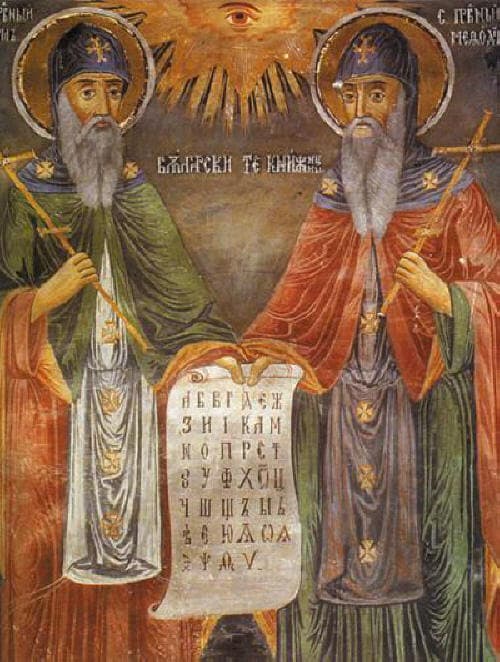
Cyril the Philosopher
Cyril the Philosopher, born Constantine, was a Byzantine theologian and missionary, renowned for his work with his brother Methodius in evangelizing the Early Slavs. They are chiefly remembered for devising the Glagolitic alphabet, the first script for Old Church Slavonic, and for their mission to Great Moravia. Both brothers are venerated as saints and are considered "Apostles to the Slavs."
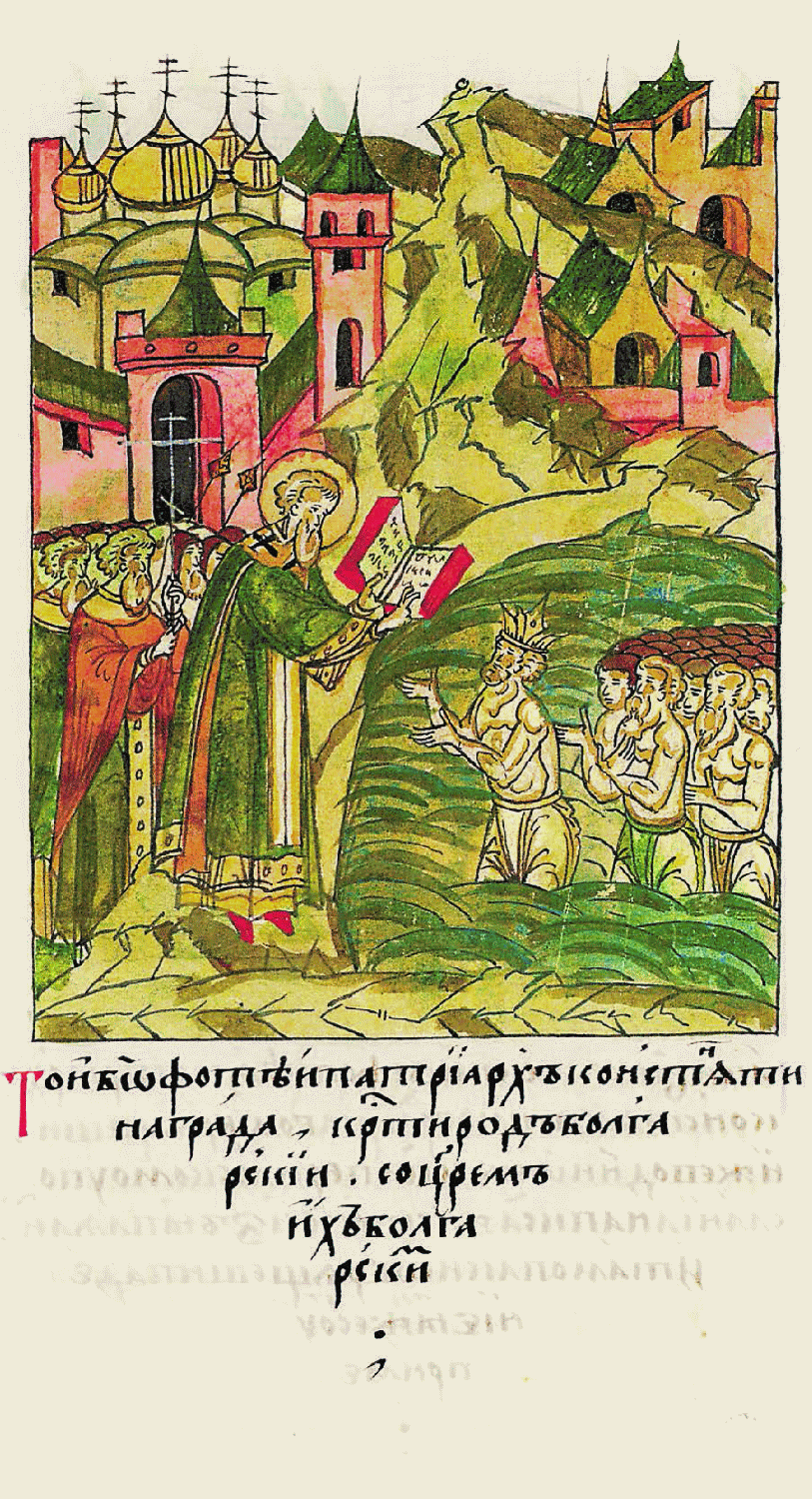
Photius the Great
Photius I of Constantinople, also known as Saint Photius the Great, was a towering intellectual and influential church leader of the 9th century. He served as Ecumenical Patriarch of Constantinople twice and played a pivotal role in the conversion of the Slavs and the Photian schism. He is remembered as a brilliant scholar, a systematic compiler of Church Law, and a defender of Greek spiritual independence.
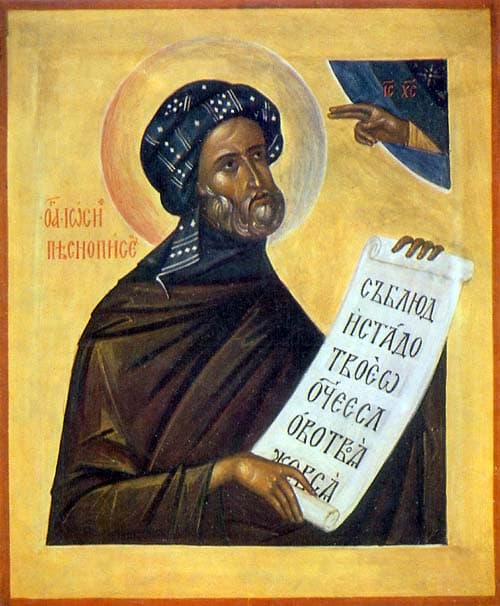
Joseph the Hymnographer
Joseph the Hymnographer was a ninth-century Greek monk, celebrated as one of the Eastern Orthodox Church's greatest liturgical poets and hymnographers. He is also remembered for his staunch confession of Orthodox faith against Iconoclasm. His prolific writings and monastic foundations left a significant mark on Byzantine liturgical tradition.