
John IV of Constantinople
September 2·6th century·Byzantine Empire
John IV of Constantinople, also known as John the Faster, served as Patriarch of Constantinople from 582 to 595. He was the first to assume the title Ecumenical Patriarch and is remembered for his ascetic life and charitable works. The Eastern Orthodox Church venerates him as a saint with a feast day on September 2.
Key Facts
- ›He was born in Constantinople to artisan parents and worked as a goldsmith.
- ›He served as a deacon at the Hagia Sophia and later as a sakellarios.
- ›He was known for his ascetical life and was nicknamed 'the Faster'.
- ›He was the first patriarch to use the title 'Ecumenical Patriarch'.
- ›He engaged in significant correspondence and conflict with Pope Gregory I.
- ›Several works are attributed to him, including a Penitential and homilies.
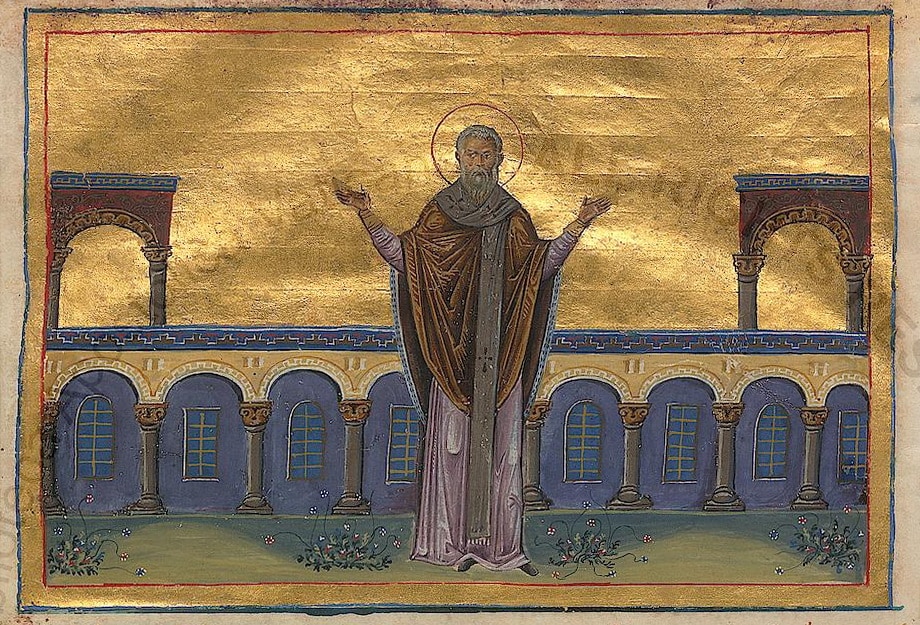
John Nesteutes, Ioannes the Faster, John Jejunator, Cappadox, John the Faster
About John IV of Constantinople
John IV of Constantinople, also known by the epithet "the Faster" (Greek: Ἰωάννης Νηστευτής, Ioannes Nesteutes), served as the Patriarch of Constantinople from April 12, 582, until his death on September 2, 595. He holds historical significance as the first patriarch to assume the title "Ecumenical Patriarch," a move that initiated a long-standing controversy with the papacy.
Life and Ministry
Born in Constantinople to parents of artisan background, John began his ecclesiastical career as a goldsmith. Under Patriarch John Scholasticus, he served as a deacon at the Hagia Sophia and later as sakellarios, an official responsible for patriarchal oversight of monasteries. His reputation for an exceptionally ascetic life earned him the moniker "the Faster." He rose to prominence within the clergy of the city and was eventually appointed patriarch by Emperor Tiberius II Constantine.
Historical accounts suggest John IV was deeply committed to religious observance, once intervening with fervent prayer to disrupt a horse show scheduled on the eve of Pentecost, causing a thunderstorm that dispersed the crowd. He maintained favor at court under Emperor Maurice and was known for his asceticism and charity towards the poor. In 587 or 588, he convened a council of bishops in the East, acting under the authority of "Ecumenical Patriarch," to investigate charges against Gregory of Antioch. This council's actions were later annulled by Pope Pelagius II, and his successor, Pope Gregory I, continued to express strong reservations about John IV's actions, particularly regarding the handling of accused heretics and the correct interpretation of church councils.
Writings and Legacy
While Isidore of Seville attributed only a lost letter on baptism to John IV, several works are extant and attributed to him, edited in Patrologia Graeca, vol. 88. These include his "Penitential" (Libellus Poenitentialis), an "Instructio" detailing the process of confession for both penitents and priests, and homilies on themes such as penitence, continence, virginity, and discernment of false prophets and doctrine. The Orthodox tradition has consistently attributed the Penitential and the Instructions for Confession to Patriarch John IV.
John IV of Constantinople is venerated as a saint in the Eastern Orthodox Church, with his feast day observed on September 2. His tenure as patriarch and his assertive use of the title "Ecumenical Patriarch" profoundly influenced the evolving relationship between the See of Constantinople and the See of Rome, contributing to the growing ecclesiastical and political divisions within Christendom.
Source: Wikipedia ↗
Frequently Asked Questions
Who was John IV of Constantinople?
John IV of Constantinople, also known as John the Faster, was the Patriarch of Constantinople from 582 to 595. He was noted for his ascetic lifestyle and was the first to adopt the title 'Ecumenical Patriarch'.
What is John IV of Constantinople remembered for?
He is chiefly remembered for being the first patriarch to use the title 'Ecumenical Patriarch', which led to significant disputes with the Pope of Rome. He is also recognized for his devout asceticism and charitable work.
When is the feast day of John IV of Constantinople?
The Eastern Orthodox Church celebrates the feast day of Saint John IV of Constantinople on September 2nd.
What controversies did John IV of Constantinople face?
John IV engaged in significant disputes with Pope Gregory I, particularly concerning the title 'Ecumenical Patriarch' and accusations of negligence in handling cases of heresy and doctrinal error.
What writings are attributed to John IV of Constantinople?
Several works are attributed to John IV, including a Penitential (Libellus Poenitentialis), an instruction for confession, and homilies on penitence, continence, virginity, false prophets, and false doctrine.
Related Saints
Macedonius II of Constantinople
Macedonius II of Constantinople served as Patriarch of Constantinople from 496 to 511. He is primarily remembered for his steadfast refusal to condemn the Council of Chalcedon, enduring persecution and eventual exile from Emperor Anastasius I. His resistance made him a significant figure in the theological disputes of his era.
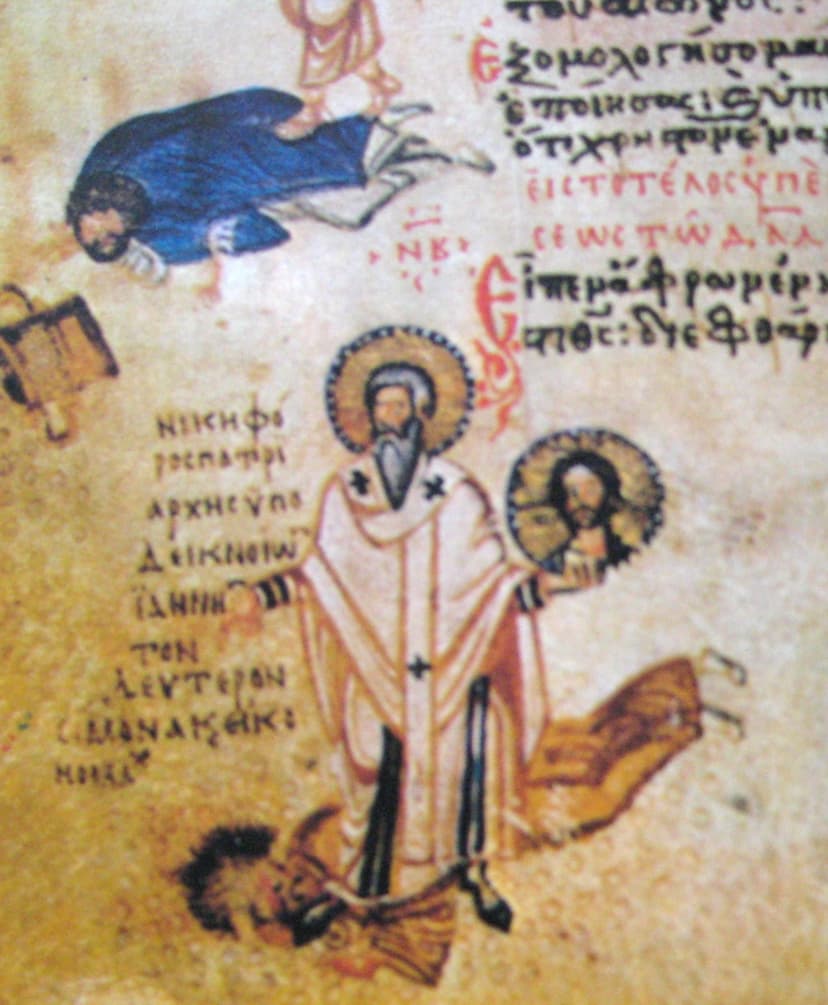
Nikephoros I of Constantinople
Nikephoros I was an Ecumenical Patriarch of Constantinople and a Byzantine writer known for his staunch defense of iconodules during the period of Iconoclasm. He played a significant role in the synod of 787 and later engaged in literary polemics against the iconoclastic synod of 815. He is revered as a confessor and remembered for his historical writings and his efforts to delineate the accepted canon of the New Testament.
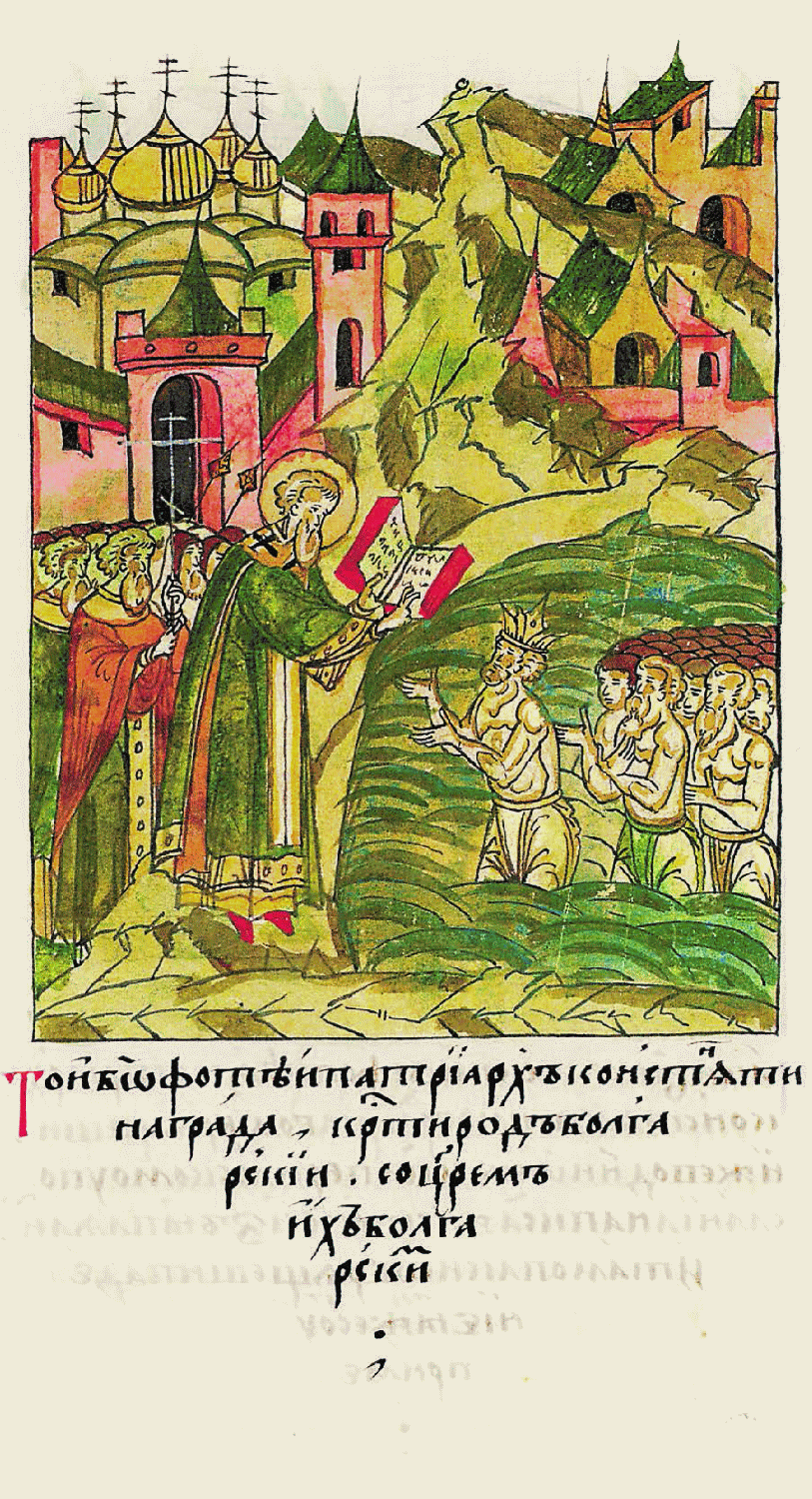
Photius the Great
Photius I of Constantinople, also known as Saint Photius the Great, was a towering intellectual and influential church leader of the 9th century. He served as Ecumenical Patriarch of Constantinople twice and played a pivotal role in the conversion of the Slavs and the Photian schism. He is remembered as a brilliant scholar, a systematic compiler of Church Law, and a defender of Greek spiritual independence.