
John III of Constantinople
August 31·6th century·Byzantine Empire
John Scholasticus served as Patriarch of Constantinople from 565 to 577 AD, a period marked by his significant contributions to canon law. He is remembered for his methodical classification of canon law in his "Digest of Canon Law" and his "Nomocanon," which organized ecclesiastical and civil laws. John also played a role in attempts to reconcile Chalcedonian and Non-Chalcedonian factions within Christianity.
Key Facts
- ›John Scholasticus was born near Antioch around 503 AD.
- ›He was patriarch of Constantinople from April 12, 565, until his death on August 31, 577.
- ›He is credited with a methodical classification of canon law, known as the Digest of Canon Law.
- ›John also compiled the Nomocanon, an abridgment of his earlier work, comparing imperial rescripts and CIVIL laws.
- ›He organized a compromise between Chalcedonians and Non-Chalcedonians in 567 AD.
- ›He is regarded as a saint in the Eastern Orthodox Church.
John Scholasticus, Ioannes ho Scholastikos
About John III of Constantinople
John Scholasticus
John Scholasticus (c. 503 – August 31, 577) was a prominent figure in the 6th-century Byzantine Empire, serving as the Patriarch of Constantinople for the last twelve years of his life. He is recognized for his significant legal scholarship, particularly in the field of canon law, and is venerated as a saint within the Eastern Orthodox Church.
Life and Ministry
Born near Antioch, John Scholasticus received his education in law and distinguished himself in this field before entering ecclesiastical service. His legal acumen and administrative skills brought him into contact with the imperial court in Constantinople. He became Patriarch of Constantinople on April 12, 565, during the reign of Emperor Justinian I, and was subsequently involved in the imperial efforts to reconcile various theological factions.
Contributions to Canon Law
John Scholasticus is most remembered for his systematic approach to canon law. He compiled and organized the canons of various church councils, creating the "Digest of Canon Law." This work abandoned a purely historical arrangement in favor of a philosophical classification based on subject matter, reducing the traditional sixty heads to fifty. He also compiled the "Nomocanon," an abridgment that included a comparison of imperial rescripts and civil laws, particularly the Novels of Justinian, alongside the church canons.
Ecclesiastical and Political Role
As Patriarch, John Scholasticus played a role in the complex religious politics of the era. He was instrumental in organizing a compromise between the Chalcedonian and Non-Chalcedonian churches in 567 AD, an effort that led to a temporary reunion in 571 AD. Emperor Justin II was crowned by the patriarch shortly after his accession in 565.
Legacy
John Scholasticus's legal works were influential in the development of Eastern Orthodox canon law. His systematic organization of ecclesiastical legislation provided a foundational text for future legal scholarship and governance within the church. His veneration as a saint reflects his spiritual leadership and his contributions to the order and doctrine of the church during a pivotal period in its history.
Source: Wikipedia ↗
Frequently Asked Questions
When did John Scholasticus serve as Patriarch of Constantinople?
John Scholasticus served as Patriarch of Constantinople from April 12, 565, until his death on August 31, 577.
What were John Scholasticus's main contributions to canon law?
He is renowned for his methodical classification of canon law in the "Digest of Canon Law" and his "Nomocanon," which combined ecclesiastical decrees with imperial laws.
Where was John Scholasticus born?
John Scholasticus was born in Sirimis, in the region of Cynegia, near Antioch.
Did John Scholasticus attempt to reconcile different Christian factions?
Yes, in 567 AD, John Scholasticus organized a compromise between the Chalcedonians and Non-Chalcedonians, temporarily reuniting the two sects in 571 AD.
Is John Scholasticus recognized as a saint?
Yes, John Scholasticus is regarded as a saint of the Eastern Orthodox Church.
Related Saints
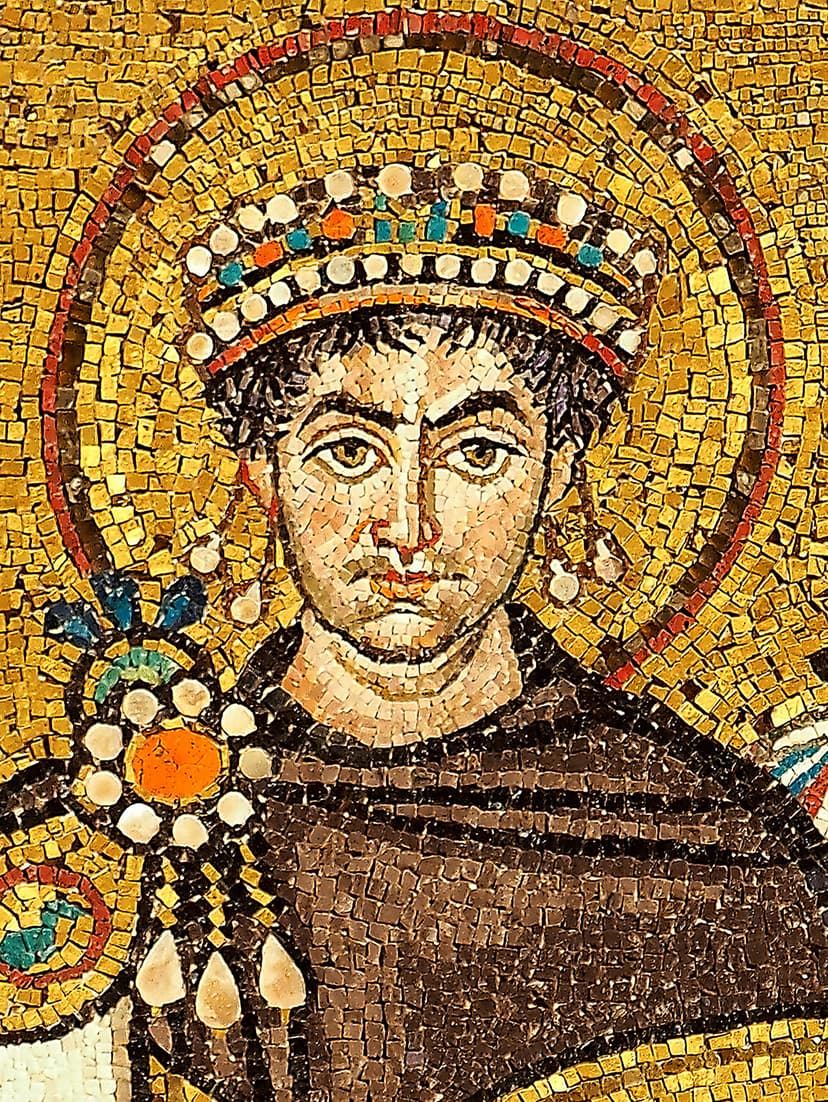
Justinian I
Justinian I was a prominent Roman emperor whose reign (527-565) was marked by an ambitious effort to restore the empire and a significant codification of Roman law. He is chiefly remembered for the Corpus Juris Civilis, the partial reconquest of the Western Roman Empire, and the construction of the Hagia Sophia. His reign significantly influenced the development of civil law and Byzantine culture.
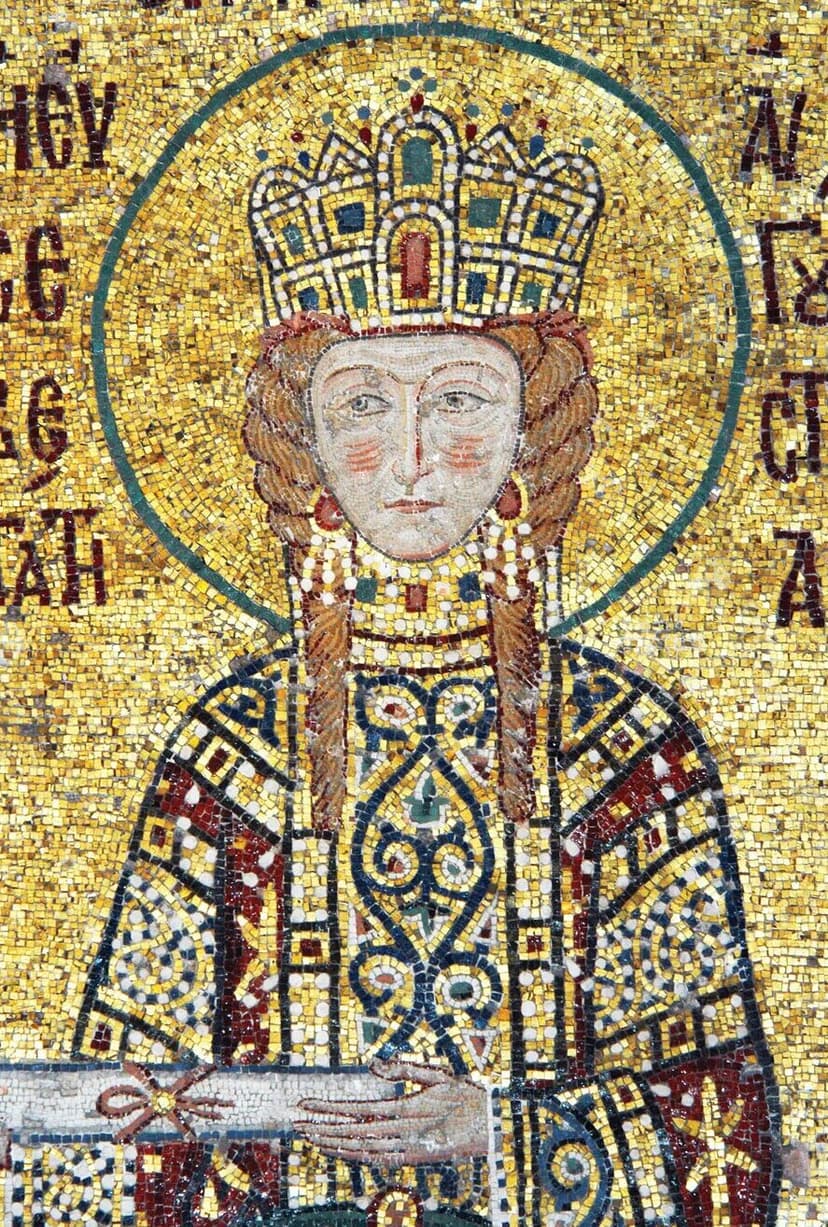
Irene of Hungary
Irene of Hungary was a Byzantine empress, born Piroska, who married John II Komnenos during a height of the Byzantine Empire. She is remembered for her patronage of charitable institutions, most notably the Monastery of Christ Pantokrator in Constantinople, which included a hospital with advanced medical principles for its time. Irene is venerated as a saint in the Eastern Orthodox Church and as a Hungarian saint in the Catholic Church.
Paul IV of Constantinople
Paul IV of Constantinople, also known as Paul the New, served as Ecumenical Patriarch of Constantinople from 780 to 784. He is remembered for his role in the iconoclast controversy, initially opposing icon veneration but later advocating for an ecumenical council to resolve the issue. He resigned due to age and illness and is venerated as a saint in the Eastern Orthodox Church.