
Paul IV of Constantinople
August 30·8th century·Byzantine Empire
Paul IV of Constantinople, also known as Paul the New, served as Ecumenical Patriarch of Constantinople from 780 to 784. He is remembered for his role in the iconoclast controversy, initially opposing icon veneration but later advocating for an ecumenical council to resolve the issue. He resigned due to age and illness and is venerated as a saint in the Eastern Orthodox Church.
Key Facts
- ›Paul IV of Constantinople served as Ecumenical Patriarch of Constantinople from 780 to 784.
- ›He was initially opposed to the veneration of icons.
- ›He later urged the calling of an ecumenical council to address the iconoclast controversy.
- ›He resigned his patriarchate due to old age and illness.
- ›He retired to a monastery after his resignation.
- ›His feast day is celebrated on August 30.
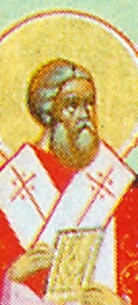
Paul the New
About Paul IV of Constantinople
Paul IV of Constantinople, also known as Paul the New, was a prominent figure in the Byzantine Church, serving as the Ecumenical Patriarch of Constantinople from 780 to 784. His tenure coincided with the complex period of the iconoclast controversy, a significant theological and political dispute concerning the veneration of religious images.
Life and Ministry
Historical accounts indicate that Paul IV initially held views contrary to the veneration of icons. However, his stance evolved, and he played a role in advocating for a resolution to the iconoclast controversy. He urged for the convening of an ecumenical council, a significant step towards addressing the deeply divisive issue within the Church. His patriarchate concluded with his resignation, prompted by advancements in age and declining health. Following his resignation, he retired to a monastery, seeking peace in his final years.
Veneration
Paul IV of Constantinople is recognized and venerated as a saint within the Eastern Orthodox Church. His feast day is celebrated annually on August 30. His successor was Tarasios of Constantinople, who was a lay administrator at the time of his appointment.
Source: Wikipedia ↗
Frequently Asked Questions
When did Paul IV of Constantinople serve as Patriarch?
Paul IV of Constantinople served as Ecumenical Patriarch of Constantinople from 780 to 784.
What was Paul IV's role in the iconoclast controversy?
Initially, Paul IV opposed the veneration of icons. However, he later urged for an ecumenical council to address the controversy, indicating a shift in his position.
Why did Paul IV resign as Patriarch?
Paul IV resigned from his position as Patriarch due to old age and illness, choosing to retire to a monastery.
Who succeeded Paul IV as Patriarch?
Tarasios of Constantinople, who was a lay administrator at the time, succeeded Paul IV as Patriarch.
Is Paul IV venerated as a saint?
Yes, Paul IV of Constantinople is venerated as a saint in the Eastern Orthodox Church.
Related Saints
Callinicus I of Constantinople
Callinicus I served as the Ecumenical Patriarch of Constantinople from 693 to 705. He is remembered for his role in deposing Emperor Justinian II and later being arrested and blinded upon Justinian II's return to power. He is venerated as a saint in the Eastern Orthodox Church.
George of Amastris
George of Amastris was a Byzantine monk who reluctantly became bishop of Amastris in the late 8th century. He is remembered for his support of Emperor Nikephoros I and for presiing over the return of relics to Crimea. George is venerated as a saint in the Orthodox liturgy.
Stephen the Younger
Stephen the Younger was a Byzantine monk and a leading opponent of iconoclasm under Emperor Constantine V. He is remembered as the most prominent iconodule martyr, executed for his beliefs.