
Ignatius of Constantinople
October 23·9th century·Byzantine Empire
Ignatius of Constantinople was the Ecumenical Patriarch of Constantinople for two periods in the 9th century, serving from 847 to 858 and again from 867 until his death in 877. He played a significant role during a turbulent time for the Byzantine Empire, notably denouncing iconoclasm, asserting Eastern Church jurisdiction over Bulgaria, and engaging in disputes over papal supremacy. Ignatius is chiefly remembered for his defense of icon veneration and his efforts to maintain the Eastern Church's independence from Roman claims of universal authority.
Key Facts
- ›Ignatius was born Niketas in 798, the son of Emperor Michael I and Empress Prokopia.
- ›He was forcibly castrated and entered a monastery, taking the name Ignatius and eventually becoming an abbot.
- ›Ignatius served as Patriarch of Constantinople from July 4, 847, to October 23, 58, and again from November 23, 867, to October 23, 877.
- ›He excommunicated Bardas, a high-ranking imperial court member, for incest, leading to his deposition.
- ›Ignatius played a crucial role in securing ecclesiastical jurisdiction over Bulgaria for the Eastern Church.
- ›He is venerated as a saint in the Catholic and Eastern Orthodox churches with a feast day of October 23.
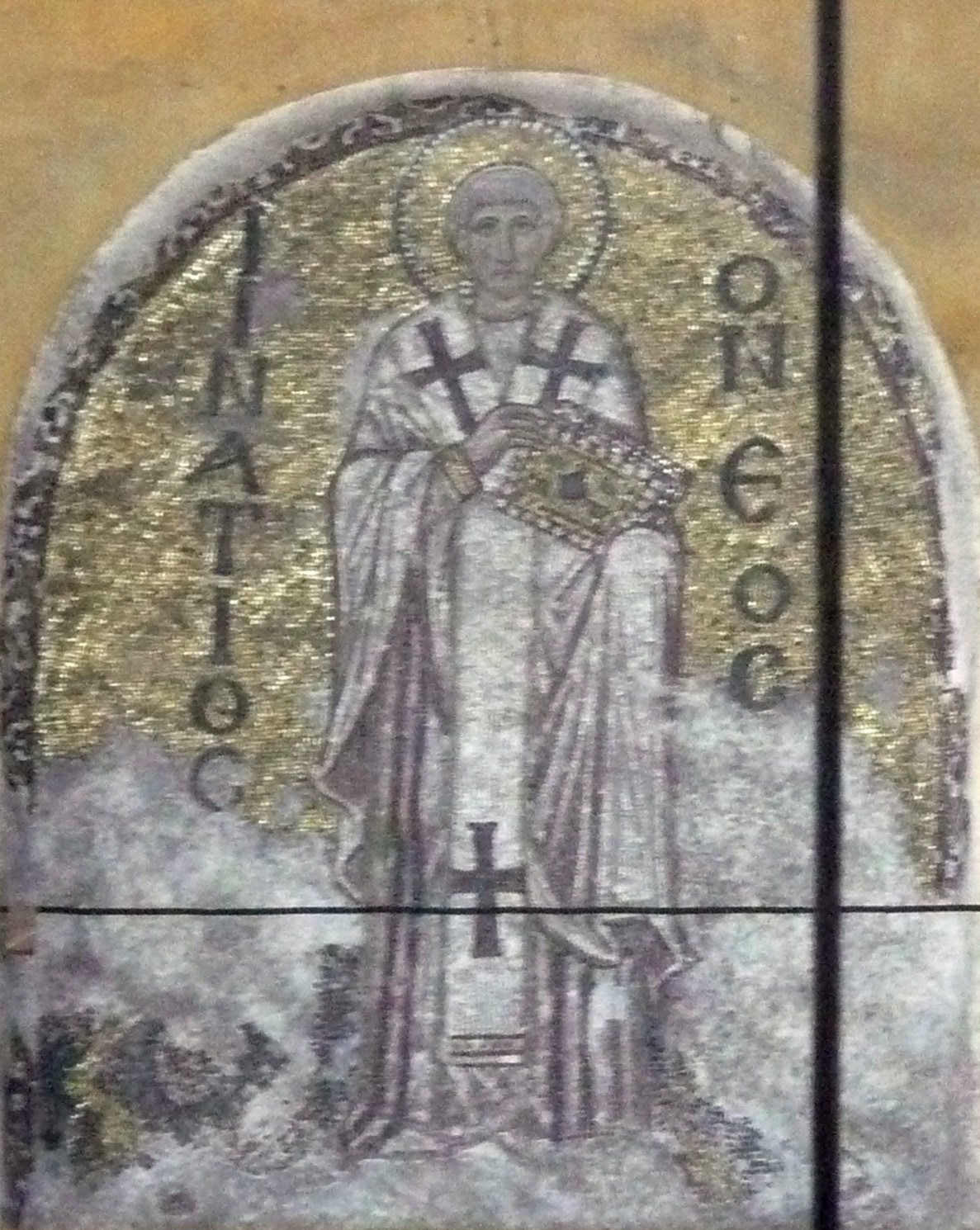
Niketas
About Ignatius of Constantinople
Ignatius of Constantinople (born Niketas, 798–877) was a pivotal figure in 9th-century Byzantine ecclesiastical and political history, serving twice as the Ecumenical Patriarch of Constantinople. His life and patriarchate were deeply intertwined with the major controversies of his era, including the lingering Iconoclast Controversy, the complex process of Slavic Christianization, and the escalating tensions between the Eastern and Western Churches over papal supremacy.
Early Life and Monasticism
Born into the imperial family as Niketas, son of Emperor Michael I and Empress Prokopia, his path to the throne was blocked. After his father's deposition, Niketas was forcibly castrated and entered a monastery, adopting the name Ignatius. He rose to become an abbot and founded three monasteries on the Princes' Islands. This monastic background instilled in him a strong commitment to the veneration of icons, a stance that would define much of his patriarchal career.
Patriarchate and Controversies
Ignatius was appointed Patriarch of Constantinople by Empress Theodora in 847, largely due to his iconodule convictions, which provided stability for her regency. During his first tenure (847–858), he was a key ally in the final defeat of Iconoclasm. However, his uncompromising stance, particularly his excommunication of the powerful imperial courtier Bardas for incest, led to his deposition in 857 and exile.
The subsequent appointment of Photius I, an associate of Bardas, as patriarch ignited a significant schism. Many bishops considered Ignatius' removal illegitimate, and appeals were made to the Pope in Rome. Pope Nicholas I intervened, questioning Photius' legitimacy and supporting Ignatius, which further exacerbated the East-West divide. The controversy over the Filioque clause, which the Western Church added to the Nicene Creed, also became a focal point of contention during this period.
Restoration and Later Years
Following the assassination of Emperor Michael III and the accession of Basil I in 867, Ignatius was restored to his patriarchal throne. Basil I sought to consolidate his power by undoing the ecclesiastical decisions made during Michael III's reign, reinstating Ignatius and his supporters. A council held in Constantinople in 869-870 reaffirmed Ignatius' position and condemned Photius, though not all Eastern bishops fully accepted the papal supremacy canons.
Securing Bulgaria and Legacy
Ignatius also played a critical role in the Christianization of Bulgaria, a process contested by both Rome and Constantinople. By asserting Constantinople's jurisdiction over the newly Christianized Bulgarian Church, Ignatius secured significant political and religious influence for the Byzantine Empire in the region. His second patriarchate concluded with his death in 877. Ignatius is venerated as a saint in both the Catholic and Eastern Orthodox Churches, with his feast day observed on October 23. His legacy lies in his steadfast defense of icon veneration and his instrumental role in shaping the ecclesiastical landscape of the Byzantine Empire and its relations with the West.
Source: Wikipedia ↗
Frequently Asked Questions
Who was Ignatius of Constantinople?
Ignatius of Constantinople was the Ecumenical Patriarch of Constantinople, serving two terms: from 847 to 858 and from 867 until his death in 877. He was born Niketas, the son of Emperor Michael I, and was later tonsured a monk.
Why was Ignatius deposed as patriarch?
Ignatius was deposed in 857 by Emperor Michael III, influenced by Bardas, after Ignatius excommunicated Bardas for incest. A synod declared Ignatius' appointment invalid based on a canon prohibiting secular power from appointing a bishop.
What was the significance of the Photius I controversy?
The deposition of Ignatius and the subsequent ascent of Photius I led to a schism, with many bishops viewing Ignatius' removal as illegitimate. The dispute escalated with papal intervention from Pope Nicholas I and Pope Adrian II, significantly contributing to the growing rift between the Eastern and Western Churches.
What role did Ignatius play in the Christianization of Bulgaria?
Ignatius played a crucial role in securing ecclesiastical jurisdiction over Bulgaria for the Eastern Church, asserting Constantinople's influence over Rome in the region. This was a significant geopolitical and religious victory for the Byzantine Empire.
What is Ignatius of Constantinople remembered for?
Ignatius is remembered for his staunch support of icon veneration during the ongoing Iconoclast Controversy, his defense of the Eastern Church's autonomy against papal claims of universal jurisdiction, and his role in the complex political and religious landscape of the 9th-century Byzantine Empire.
Related Saints
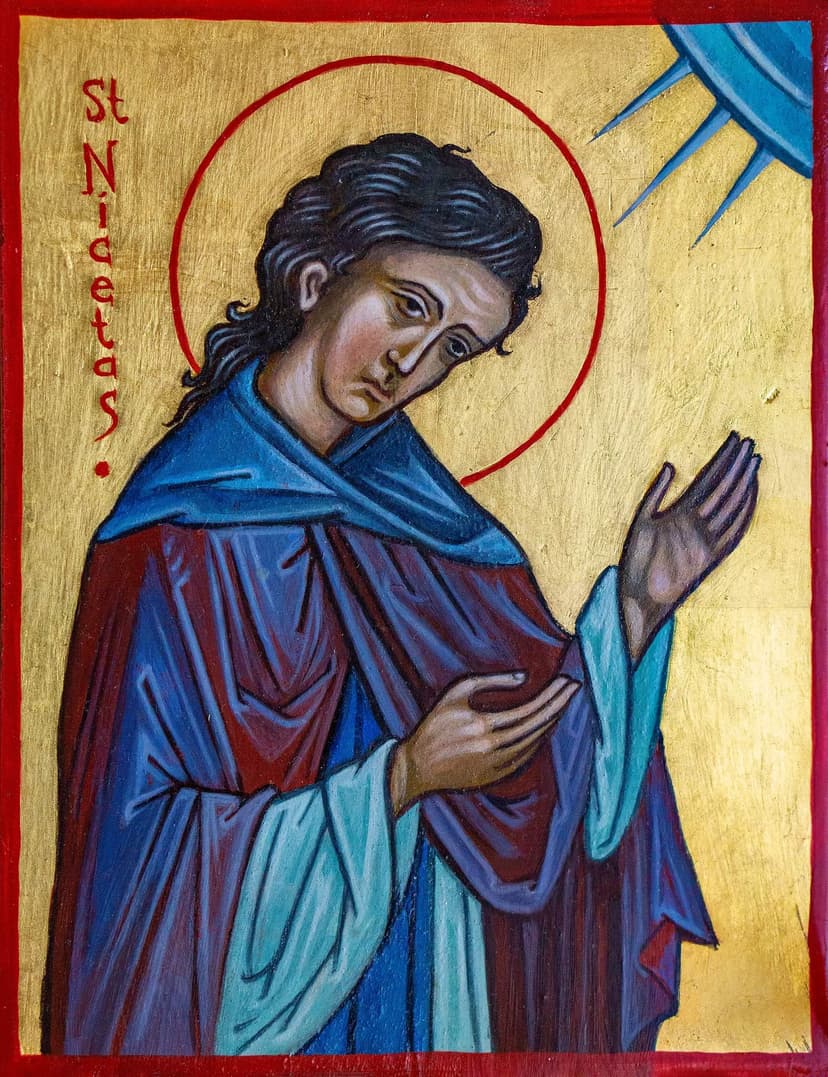
Nicetas of Constantinople
Nicetas of Constantinople was a Byzantine monk and a staunch opponent of Byzantine Iconoclasm. He is remembered as a Confessor of the Faith for his steadfast refusal to abandon his veneration of icons during periods of persecution. Nicetas is honored for his spiritual leadership and his commitment to his beliefs despite facing exile and house arrest.
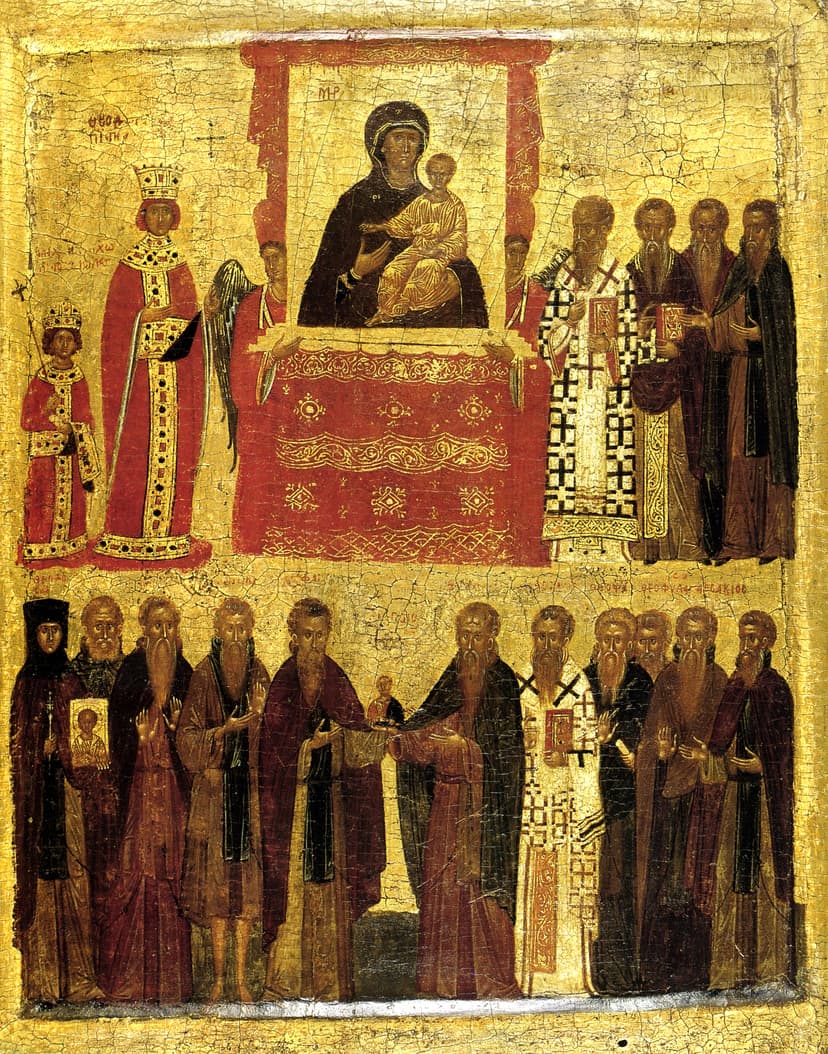
Methodius I of Constantinople
Methodius I of Constantinople was the Ecumenical Patriarch of Constantinople from 843 to 847, playing a crucial role in the restoration of icons and the end of the iconoclast controversy. Born in Syracuse, he became an abbot before being exiled for his iconodule beliefs. He is primarily remembered for his leadership in reinstating the veneration of icons in the Byzantine Church.
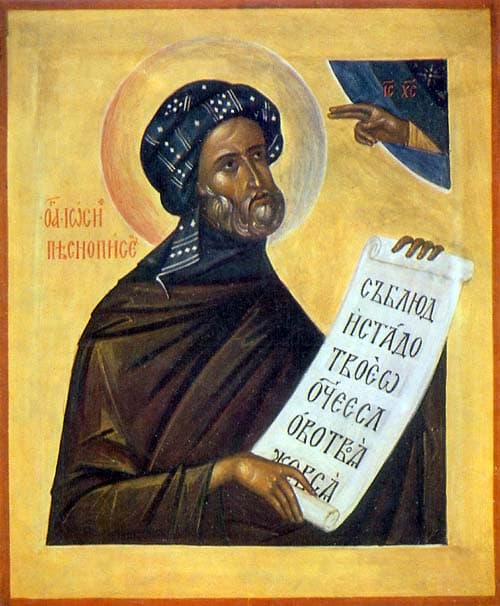
Joseph the Hymnographer
Joseph the Hymnographer was a ninth-century Greek monk, celebrated as one of the Eastern Orthodox Church's greatest liturgical poets and hymnographers. He is also remembered for his staunch confession of Orthodox faith against Iconoclasm. His prolific writings and monastic foundations left a significant mark on Byzantine liturgical tradition.