
Methodius I of Constantinople
June 14·9th century·Byzantine Empire
Methodius I of Constantinople was the Ecumenical Patriarch of Constantinople from 843 to 847, playing a crucial role in the restoration of icons and the end of the iconoclast controversy. Born in Syracuse, he became an abbot before being exiled for his iconodule beliefs. He is primarily remembered for his leadership in reinstating the veneration of icons in the Byzantine Church.
Key Facts
- ›He served as Ecumenical Patriarch of Constantinople from March 11, 843, to June 14, 847.
- ›Methodius was born in Syracuse and died in Constantinople.
- ›He was exiled as an iconodule during the second Iconoclast persecution under Emperor Michael II.
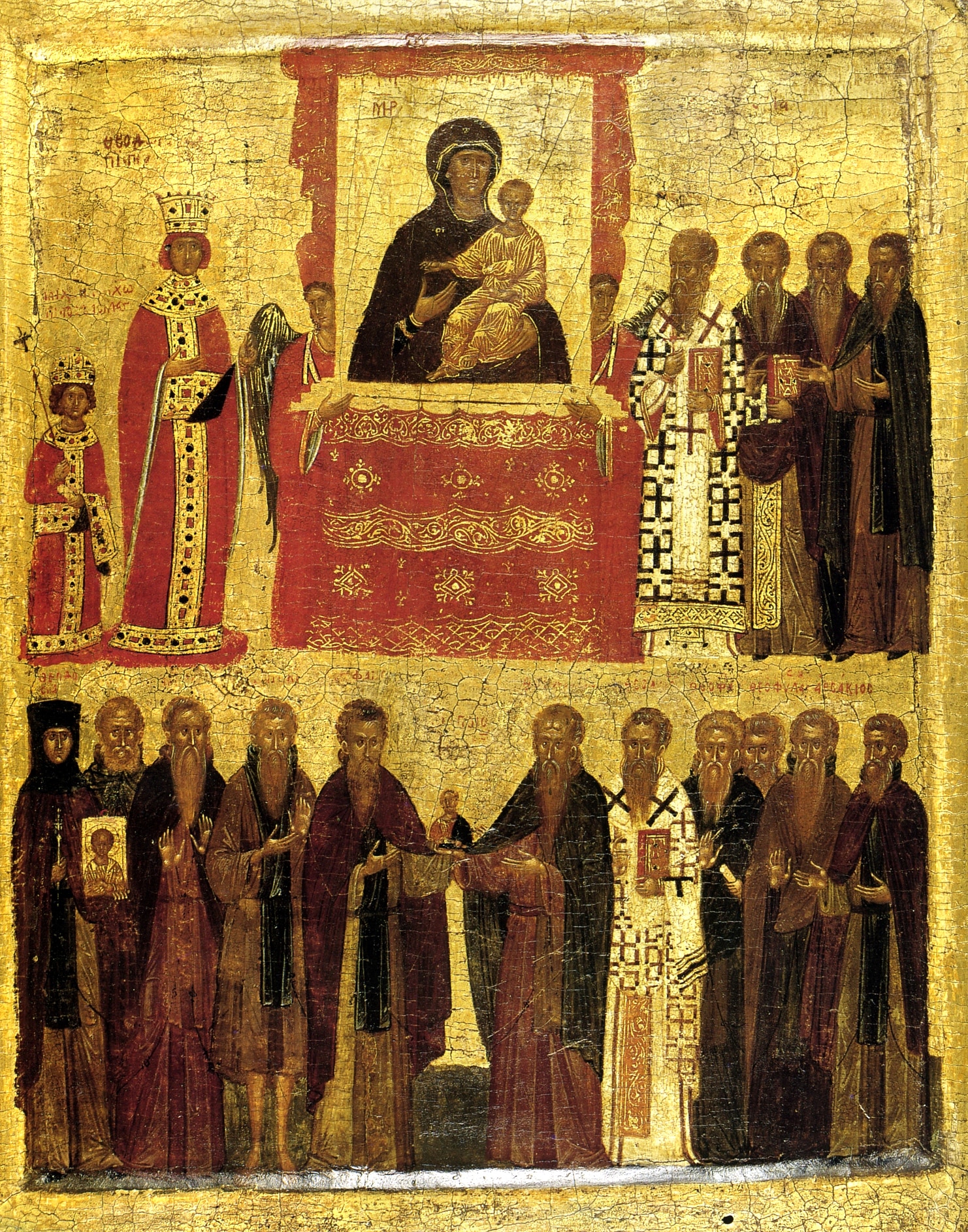
- ›He played a key role in the restoration of icons in 843, an event celebrated as the "Triumph of Orthodoxy".
- ›Methodius was well-educated and engaged in copying and writing manuscripts, including polemical, hagiographical, liturgical works, sermons, and poetry.
- ›His feast day is celebrated on June 14 in both the East and the West.
Monastic
About Methodius I of Constantinople
Methodius I of Constantinople, born Methodios I (788/800 – June 14, 847), was a significant figure in Byzantine religious history, serving as the Ecumenical Patriarch of Constantinople from March 11, 843, until his death. His patriarchate marked a critical turning point with the definitive end of the Iconoclast controversy and the restoration of icon veneration.
Life and historical context
Born in Syracuse, Methodius was sent to Constantinople for his education. Instead of pursuing a court appointment, he entered a monastery in Bithynia, where he eventually rose to the position of abbot. His life became intertwined with the tumultuous religious climate of the Byzantine Empire, particularly during the second wave of Iconoclasm initiated by Emperor Leo V the Armenian and continued by Emperor Michael II. Methodius was a staunch iconodule, meaning he supported the veneration of religious images. This stance led to his arrest and exile in 821 under Michael II's iconoclastic regime. He returned to Constantinople after a period of persecution, and his interactions with Emperor Theophilos, though initially involving imprisonment, eventually led to a mitigation of the persecution.
Major contributions
The most significant contribution of Methodius I was his leadership in the restoration of icons. Following the death of Emperor Theophilos in 842, the influential minister Theoktistos, with the support of Empress Mother Theodora, orchestrated the deposition of the iconoclast patriarch and secured the appointment of Methodius in 843. A week after his enthronement, Methodius, accompanied by Empress Theodora and the young Emperor Michael III, led a triumphal procession from the Church of Blachernae to Hagia Sophia, formally restoring icons to the church. This event, celebrated annually on the First Sunday of Great Lent as the "Triumph of Orthodoxy," symbolized a return to Christian orthodoxy and is Methodius's most enduring legacy.
Later life and legacy
Methodius I's remaining years as patriarch were dedicated to guiding the Church and its flock wisely. He pursued a moderate approach, seeking accommodation with clergy who had previously adhered to iconoclasm. Beyond his administrative and spiritual leadership, Methodius was a learned individual who engaged in both copying and writing manuscripts. His literary output included polemical works, hagiographies, liturgical texts, sermons, and poetry. Methodius I's feast day is observed on June 14 in both Eastern and Western Christian traditions, commemorating his crucial role in resolving one of the most significant theological disputes in Byzantine history.
Source: Wikipedia ↗
Frequently Asked Questions
When was Methodius I of Constantinople the Patriarch?
Methodius I served as the Ecumenical Patriarch of Constantinople from March 11, 843, until his death on June 14, 847.
What is Methodius I of Constantinople most remembered for?
He is most remembered for his pivotal role in the restoration of icons in the Byzantine Church, which effectively ended the Iconoclast controversy. This event is celebrated as the "Triumph of Orthodoxy."
What challenges did Methodius I face during his life?
Methodius faced significant challenges due to his iconodule beliefs during the Iconoclast persecutions. He was arrested and exiled under Emperor Michael II and later imprisoned under Emperor Theophilos before the eventual restoration of icons.
What was Methodius I's background before becoming Patriarch?
Born in Syracuse to wealthy parents, Methodius was sent to Constantinople for his education. However, he instead entered a monastery in Bithynia and eventually became its abbot.
What kind of writings did Methodius I produce?
Methodius I was well-educated and actively involved in manuscript work. His writings included polemical texts, hagiographical and liturgical works, sermons, and poetry.
Related Saints
Ignatius of Constantinople
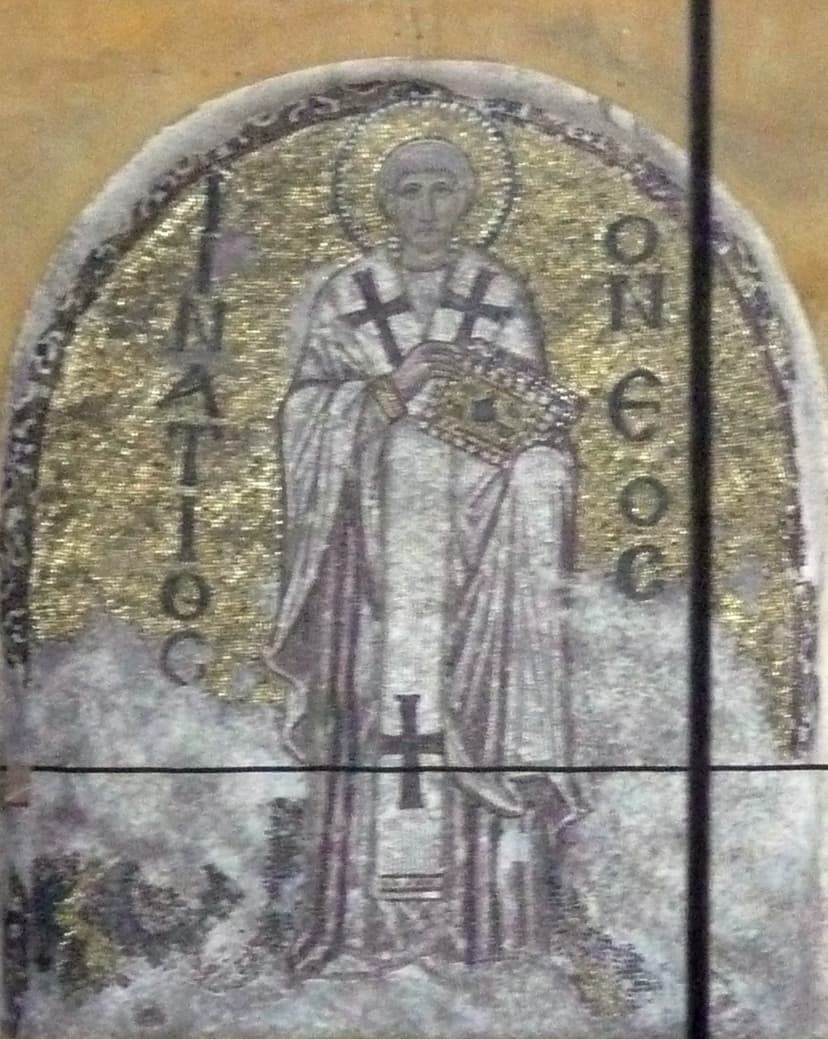
Ignatius of Constantinople was the Ecumenical Patriarch of Constantinople for two periods in the 9th century, serving from 847 to 858 and again from 867 until his death in 877. He played a significant role during a turbulent time for the Byzantine Empire, notably denouncing iconoclasm, asserting Eastern Church jurisdiction over Bulgaria, and engaging in disputes over papal supremacy. Ignatius is chiefly remembered for his defense of icon veneration and his efforts to maintain the Eastern Church's independence from Roman claims of universal authority.
Joseph the Hymnographer
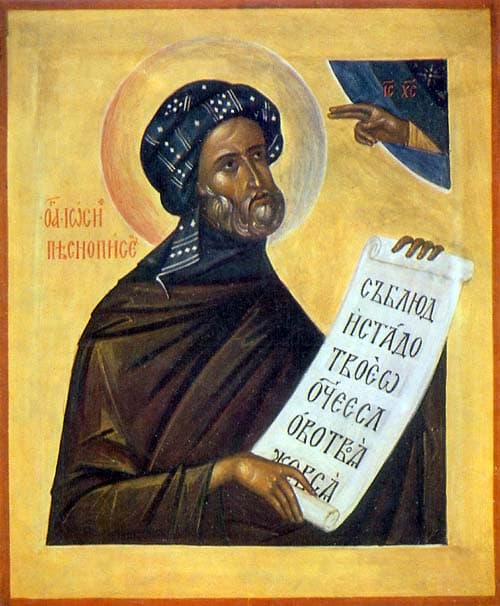
Joseph the Hymnographer was a ninth-century Greek monk, celebrated as one of the Eastern Orthodox Church's greatest liturgical poets and hymnographers. He is also remembered for his staunch confession of Orthodox faith against Iconoclasm. His prolific writings and monastic foundations left a significant mark on Byzantine liturgical tradition.
Theodore the Studite
Theodore the Studite was a prominent Byzantine Greek monk and abbot of the Stoudios Monastery in Constantinople during the 8th and 9th centuries. He was a key figure in the revival of Byzantine monasticism and classical literary genres, and is chiefly remembered as a fervent opponent of iconoclasm, which led to significant conflicts with imperial and ecclesiastical authorities.