
Nicetas of Constantinople
October 13·9th century·Byzantine Empire
Nicetas of Constantinople was a Byzantine monk and a staunch opponent of Byzantine Iconoclasm. He is remembered as a Confessor of the Faith for his steadfast refusal to abandon his veneration of icons during periods of persecution. Nicetas is honored for his spiritual leadership and his commitment to his beliefs despite facing exile and house arrest.
Key Facts
- ›Nicetas was born in Paphlagonia in 761/62 and was a eunuch official and general from Paphlagonia.
- ›He is identified with Nicetas Monomachos, a eunuch official and general active at the turn of the 9th century.
- ›Nicetas served as governor of Sicily around 797, holding the rank of patrikios.
- ›He became a monk in late 811, serving as abbot of the convent of Chrysonike.
- ›Nicetas was persecuted for his iconophile beliefs during the second phase of Byzantine Iconoclasm under Leo V.
- ›He died on October 6, 836, after fleeing persecution and living in various villages.
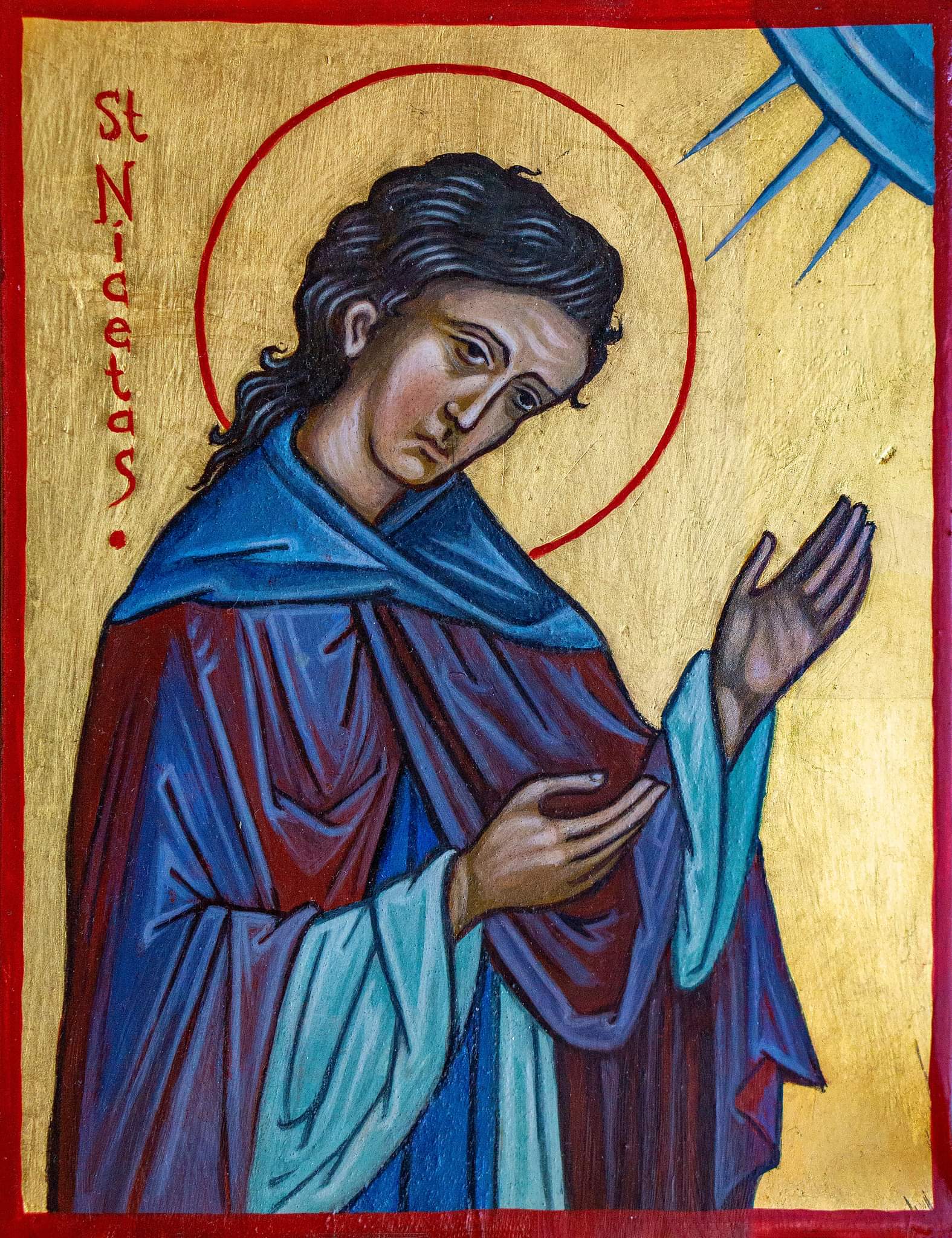
Nicetas the Patrician, Nicetas Monomachos
About Nicetas of Constantinople
Nicetas of Constantinople, also known as Nicetas the Patrician and Nicetas Monomachos, was a significant figure in the Byzantine Empire during the 8th and 9th centuries. Born in Paphlagonia in 761 or 762, he was a eunuch who rose to prominence as an official and general before dedicating his life to monasticism and the defense of religious icons.
Life and Historical Context
Nicetas' early life and career were marked by service to the imperial court. He was educated and sent to Constantinople at age 17, where he distinguished himself among the court eunuchs. His abilities led to promotions, and tradition suggests potential kinship ties to Empresses Irene and Theodora. He served as governor (strategos) of Sicily around 797, holding the rank of patrikios. His tenure there is associated with the relocation of the hand of Saint Euphemia and the construction of a church to house the relic.
With the accession of Emperor Michael I Rhangabe in 811, Nicetas was finally able to pursue his desire for monastic life. He received tonsure and retired to the convent of Chrysonike, where he served as hegumenos (abbot). However, this period of peace was interrupted by the renewal of Byzantine Iconoclasm under Leo V the Armenian in 815. Nicetas, a fervent opponent of iconoclasm, refused to accept the emperor's policies. Despite being accused of sheltering an icon, he was confined to house arrest rather than facing severe punishment.
Monastic Life and Persecution
During the reign of Theophilos, the persecution of iconophiles intensified, and Nicetas found himself targeted. He was ordered to accept communion with the iconoclast patriarch Antony Kassymatas or face exile. Nicetas chose exile, fleeing with a few disciples to Bithynia. He spent his final years moving between various localities to evade harassment, eventually settling in the villages of Zouloupas and Katesia, where he died on October 6, 836. His hagiography notes that he specialized in "healing men tormented by sexual desires."
Legacy and Veneration
Nicetas is honored as a saint and a Confessor of the Faith by the Eastern Orthodox Church, with his feast day celebrated on October 13. His legacy is primarily tied to his unwavering stand against iconoclasm, a commitment that led to personal hardship but solidified his reputation as a defender of religious tradition. He is also recognized as a founder for establishing the Monastery of the Archangels at Katesia, which became a center for his veneration and the preservation of his life story.
Source: Wikipedia ↗
Frequently Asked Questions
Who was Nicetas of Constantinople?
Nicetas of Constantinople, also known as Nicetas the Patrician or Nicetas Monomachos, was a Byzantine monk and a prominent opponent of Byzantine Iconoclasm. He lived from 761/62 to 836.
Why is Nicetas considered a Confessor of the Faith?
Nicetas is honored as a Confessor of the Faith for his steadfast refusal to renounce the veneration of icons during periods of persecution under iconoclast emperors. He endured house arrest and exile rather than compromise his beliefs.
What was Nicetas' role before becoming a monk?
Before entering monastic life, Nicetas was a eunuch official and general in the Byzantine Empire. He held the rank of patrikios and served as the governor of Sicily around 797.
When and where did Nicetas die?
Nicetas died on October 6, 836, in the villages of Zouloupas and Katesia in Bithynia. He had fled to this region to escape persecution from iconoclast officials.
Did Nicetas found any religious institutions?
Yes, Nicetas founded the Monastery of the Archangels at Katesia, where he spent his final years and where his hagiography was later written.
Related Saints
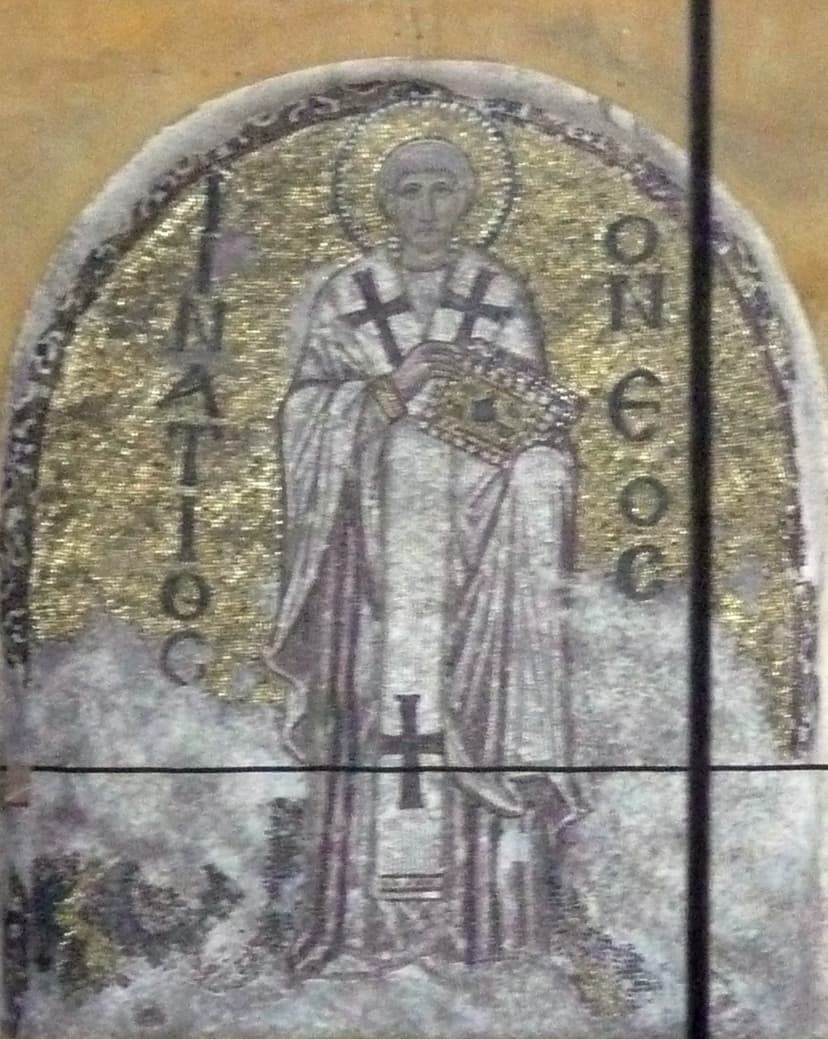
Ignatius of Constantinople
Ignatius of Constantinople was the Ecumenical Patriarch of Constantinople for two periods in the 9th century, serving from 847 to 858 and again from 867 until his death in 877. He played a significant role during a turbulent time for the Byzantine Empire, notably denouncing iconoclasm, asserting Eastern Church jurisdiction over Bulgaria, and engaging in disputes over papal supremacy. Ignatius is chiefly remembered for his defense of icon veneration and his efforts to maintain the Eastern Church's independence from Roman claims of universal authority.
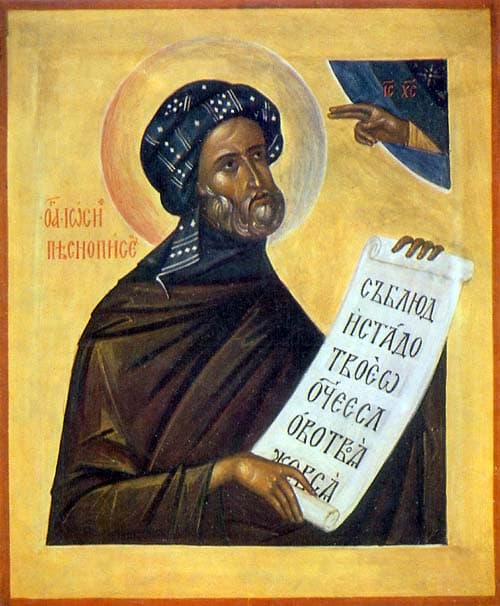
Joseph the Hymnographer
Joseph the Hymnographer was a ninth-century Greek monk, celebrated as one of the Eastern Orthodox Church's greatest liturgical poets and hymnographers. He is also remembered for his staunch confession of Orthodox faith against Iconoclasm. His prolific writings and monastic foundations left a significant mark on Byzantine liturgical tradition.
Theodore the Studite
Theodore the Studite was a prominent Byzantine Greek monk and abbot of the Stoudios Monastery in Constantinople during the 8th and 9th centuries. He was a key figure in the revival of Byzantine monasticism and classical literary genres, and is chiefly remembered as a fervent opponent of iconoclasm, which led to significant conflicts with imperial and ecclesiastical authorities.