
Gregory of Khandzta
October 18·9th century·Georgia
Gregory of Khandzta was a pivotal Georgian monk and ecclesiastical leader in the 8th and 9th centuries, celebrated for his instrumental role in reviving Georgian monasticism. He founded numerous monasteries that flourished as centers of learning and spiritual life, significantly shaping the cultural and religious landscape of Tao-Klarjeti.
Key Facts
- ›Gregory of Khandzta was born into an aristocratic family in Kartli around 759.
- ›He chose an ascetic life, joining a monastic community at Opiza Monastery.
- ›Around 782, he founded the Khandzta Monastery with his disciples and local support.
- ›He also established a significant manuscript copying and illustration center at Shatberdi.
- ›Gregory trained disciples who founded several other monasteries, expanding monastic influence.
- ›He passed away in 861, having lived to be over a century old.
Grigol Khandzteli
About Gregory of Khandzta
Gregory of Khandzta (759–861), also known as Grigol Khandzteli, was a highly influential Georgian monk, ecclesiastical leader, and cultural figure primarily active in the historical region of Tao-Klarjeti. He is widely recognized as the principal architect of the revival of Georgian monasticism during the 8th and 9th centuries.
Born into an aristocratic family in Kartli, Gregory received a comprehensive education that prepared him for ecclesiastical leadership. However, he eschewed a secular or high-ranking clerical career in favor of an ascetic life. He joined the monastic community at Opiza Monastery and later moved to the Khandzta region, where, around 782, he established the Khandzta Monastery with his disciples. This foundation, supported by local nobility, became a prominent center of spiritual life and learning.
Gregory's influence extended beyond Khandzta. He founded another significant monastery at Shatberdi, which developed into a major hub for the copying and illustration of manuscripts, with some of these works surviving to the present day. He also mentored and guided several disciples who went on to found additional monastic communities, further expanding the network and impact of Georgian monasticism. His monastic rule was characterized by strict ascetic principles.
Gregory of Khandzta also played a role in the ecclesiastical politics of his time, notably influencing the election of Arsenius I of Iberia as Catholicos. His hagiography attributes numerous miracles to him, including acts of healing and control over nature. He died as a centenarian in 861, surrounded by his followers. The Eastern Orthodox Church commemorates his feast day on October 18, the day of his death. His life and deeds were documented in the hagiographic work by Giorgi Merchule in 951, ensuring his enduring legacy as a key figure in Georgian spiritual and cultural history.
Source: Wikipedia ↗
Frequently Asked Questions
When was Gregory of Khandzta born and when did he die?
Gregory of Khandzta was born on October 5, 759, and died on October 18, 861. He lived to be a centenarian.
What was Gregory of Khandzta's main contribution to Georgian culture?
Gregory of Khandzta is regarded as a central figure in the revival of Georgian monasticism. He established numerous monasteries that became significant centers for learning and the production of manuscripts.
Where did Gregory of Khandzta found monasteries?
He founded monasteries in the Khandzta region and at Shatberdi. His disciples also established monasteries such as Nedzvi, Kviriketsminda, and Ubisi.
What kind of education did Gregory receive?
Gregory received a broad education in his aristocratic household, encompassing ecclesiastical sciences, liturgical chant, Georgian literature, philosophy, and foreign languages.
Is Gregory of Khandzta recognized as a saint?
Yes, Gregory of Khandzta is venerated as a saint in the Eastern Orthodox Church, with his memory marked on October 18.
Related Saints
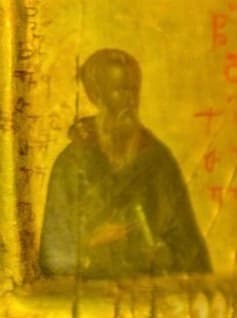
David of Gareji
David of Gareji was a 6th-century anchorite, Desert Father, and wonderworker in the Kingdom of Iberia. He is venerated as one of the thirteen Assyrian Apostles and is chiefly remembered for founding the David Gareji monastery and for his pilgrimage to Jerusalem, from which he brought back a miracle-working stone. His tomb became a significant pilgrimage site, and he is considered a founder of the Georgian Thebaid and a patron of the Georgian Church.
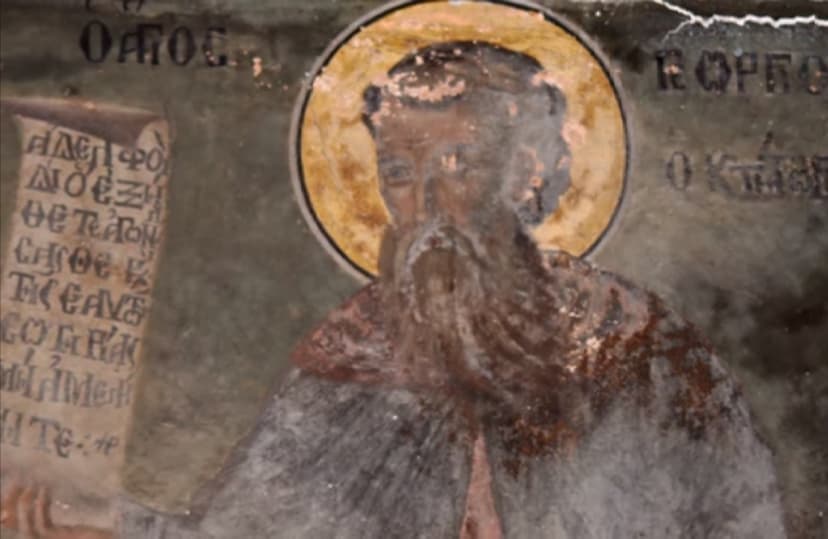
George the Hagiorite
George the Hagiorite was a Georgian monk, theologian, and translator who was instrumental in fostering Georgian monastic communities within the Byzantine Empire. He is remembered for his extensive translations of patristic works and his defense of the autocephaly of the Georgian Orthodox Church, which earned him veneration as one of Georgia's most important saints.
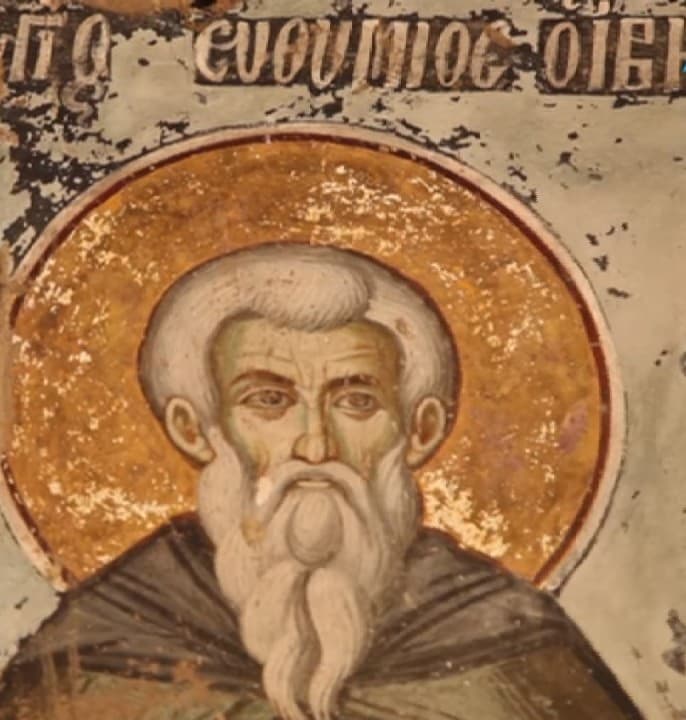
Euthymius the Athonite
Euthymius the Athonite was a Georgian monk, philosopher, and scholar who became a leading Eastern Christian theologian. He is venerated as a saint for his extensive translations of religious and philosophical works into Georgian, most notably the popular 'Wisdom of Balahvari'. Euthymius served as abbot of the Iviron Monastery on Mount Athos and is remembered for his intellectual contributions to Georgian Christian literature.