
Euthymius the Athonite
Euthymius the Athonite was a Georgian monk, philosopher, and scholar who became a leading Eastern Christian theologian. He is venerated as a saint for his extensive translations of religious and philosophical works into Georgian, most notably the popular 'Wisdom of Balahvari'. Euthymius served as abbot of the Iviron Monastery on Mount Athos and is remembered for his intellectual contributions to Georgian Christian literature.
Key Facts
- ›Euthymius the Athonite was a Georgian monk, philosopher, and scholar.
- ›He translated numerous religious treatises and philosophical works into Georgian.
- ›His translation of 'sibrdzne balavarisa' (Wisdom of Balahvari) became widely known as the story of Barlaam and Josaphat.
- ›Euthymius served as abbot of the Iviron Monastery on Mount Athos for fourteen years.
- ›He was the son of John the Iberian and nephew of Tornike Eristavi.
- ›He died near Byzantium after falling from a mule.
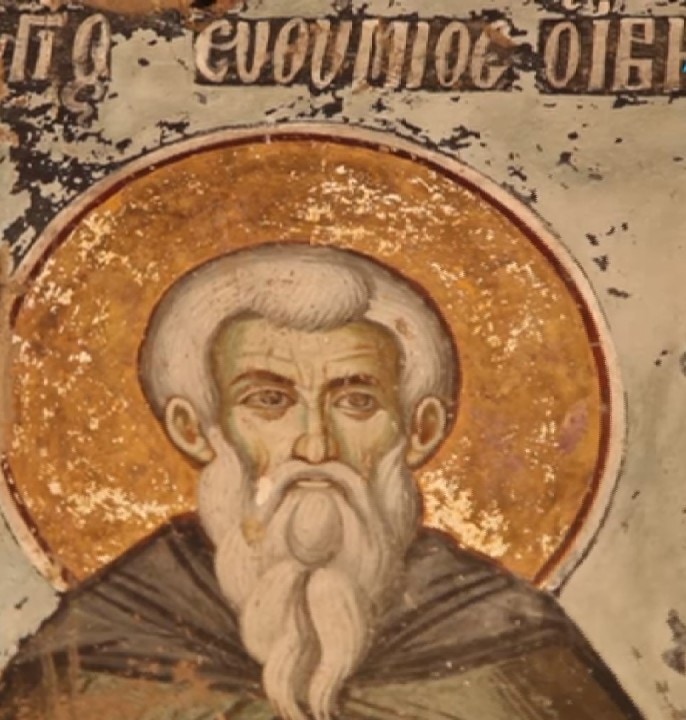
Ekvtime Atoneli
About Euthymius the Athonite
Euthymius the Athonite, also known as Ekvtime Atoneli, was a prominent Georgian monk, philosopher, and scholar who lived from approximately 955 to 1024. He is venerated as a saint in the Orthodox Church, with his feast day observed on May 13.
Life and Historical Context
Born into a Georgian noble family, Euthymius was the son of John the Iberian and nephew of Tornike Eristavi. He was taken as a political hostage to Constantinople but was later released. He eventually became a monk and joined the Great Lavra of Athanasios on Mount Athos. Euthymius rose to prominence as the leader of the Georgian Iviron monastery, founded by his father, and emerged as one of the most distinguished Eastern Christian theologians and scholars of his era. He served as abbot of the Iviron Monastery for fourteen years before dedicating himself fully to his translation work.
Major Contributions
Euthymius the Athonite made significant contributions to Georgian Christian literature and scholarship. He was proficient in multiple languages, including Georgian and Greek, which allowed him to translate numerous religious and philosophical texts. His most notable work is the translation of "sibrdzne balavarisa" (Wisdom of Balahvari), a text believed by some to be a Christianized adaptation of episodes from the life of Gautama Buddha, which gained immense popularity in Medieval Europe under the title "Barlaam and Josaphat." Additionally, Euthymius was instrumental in preparing Georgian translations of various Greek philosophical, ecclesiastical, and legal discourses.
Death and Legacy
Euthymius the Athonite died in 1024 near Byzantium following an accident where he fell from a mule. His relics are interred in the Church of Saint John the Baptist at the Iveron Monastery on Mount Athos. Euthymius is remembered for his profound intellectual influence and his role in enriching Georgian intellectual and spiritual traditions through his extensive and influential translations.
Source: Wikipedia ↗
Frequently Asked Questions
What languages did Euthymius the Athonite know?
Euthymius the Athonite was fluent in Georgian, Greek, and other languages. This linguistic proficiency enabled him to undertake extensive translation work.
What is Euthymius the Athonite best known for translating?
He is best known for translating "sibrdzne balavarisa" (Wisdom of Balahvari), which became popular in medieval Europe as the story of Barlaam and Josaphat. He also translated various Greek philosophical, ecclesiastical, and legal discourses into Georgian.
Where did Euthymius the Athonite live and work?
Euthymius the Athonite spent much of his monastic life on Mount Athos, where he became the leader of the Georgian Iviron monastery. He also spent time as a political hostage in Constantinople.
How did Euthymius the Athonite die?
Euthymius the Athonite died near Byzantium from injuries sustained in an accident. The mule he was riding was startled and bolted, causing him to fall.
Where are Euthymius the Athonite's relics located?
The relics of Euthymius the Athonite are buried in the Church of Saint John the Baptist at the Iveron Monastery on Mount Athos.
Related Saints
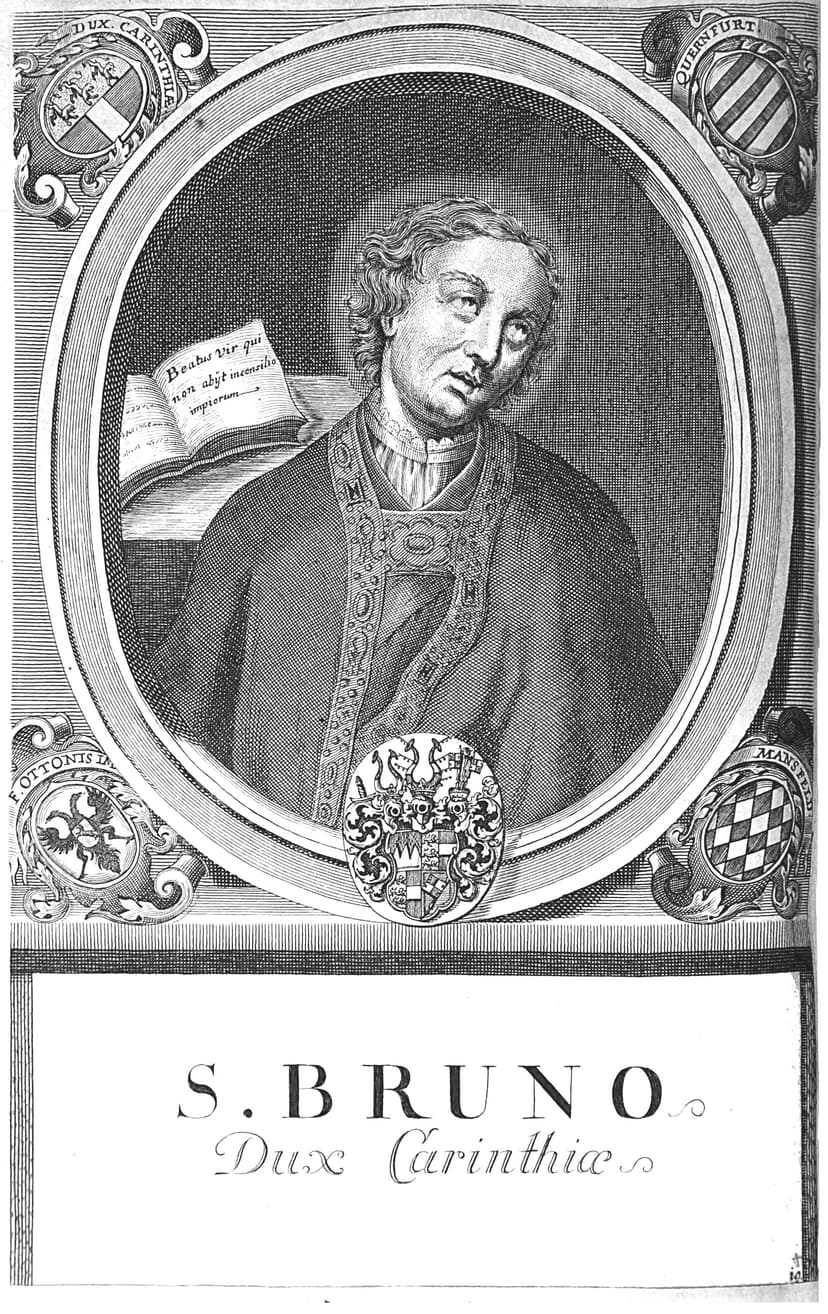
Bruno of Würzburg
Bruno of Würzburg, also known as Bruno of Carinthia, served as imperial chancellor of Italy and later became the prince-bishop of Würzburg. He is remembered for his role in imperial politics, his patronage of church construction, and his scholarly writings, particularly his commentary on the Psalms. He died tragically in an accident while accompanying Emperor Henry III.
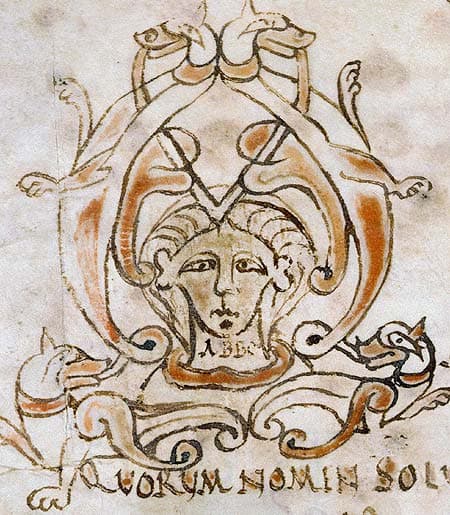
Abbo of Fleury
Abbo of Fleury was a prominent monk and abbot of Fleury Abbey in 10th and 11th century France. He was a respected scholar and theologian who played a role in contemporary politics, mediating disputes and advising royalty. Abbo is remembered for his intellectual contributions, his efforts in monastic reform, and his writings.
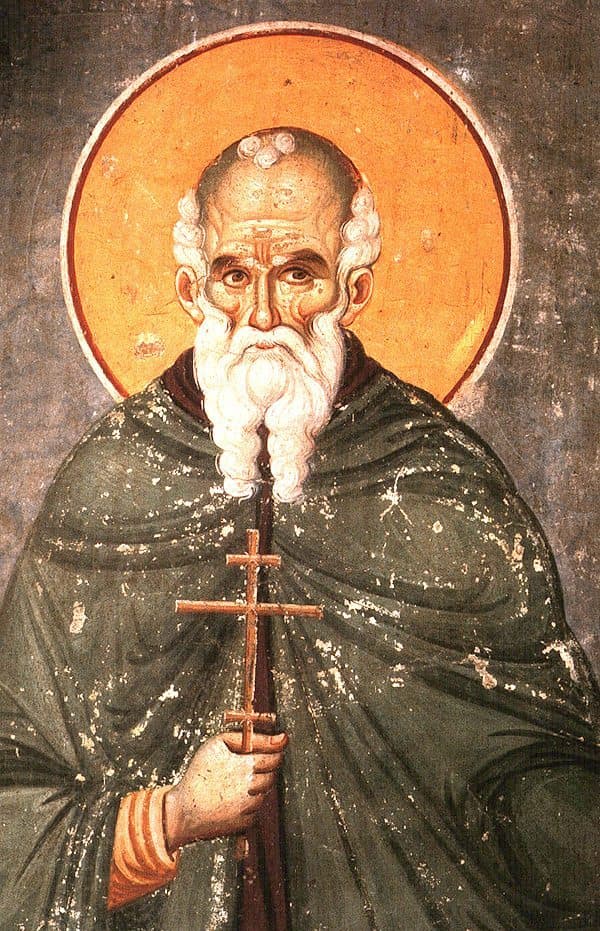
Athanasius the Athonite
Athanasius the Athonite was a Byzantine monk renowned as the founder of the monastic community on Mount Athos, which became a preeminent center of Eastern Orthodox monasticism. He is celebrated for establishing the Great Lavra monastery and for introducing a disciplined cenobitic life to the peninsula. His efforts, though met with opposition, laid the foundation for the enduring monastic tradition of Mount Athos.