
George of Chqondidi
September 12·12th century·Georgia
George of Chqondidi was a Georgian churchman and court minister who served as archbishop of Chqondidi and was the closest adviser to King David IV. He is best remembered as King David IV's tutor and spiritual father, playing a crucial role in the king's reforms of church and state and in military campaigns against the Seljuk Turks. His death in 1118 was deeply mourned by the kingdom and the king.
Key Facts
- ›He served as an archbishop of Chqondidi in west Georgia.
- ›He was the tutor and spiritual father to King David IV of Georgia.
- ›George was appointed Grand Chancellor of Georgia by King David IV after the Council of Ruisi-Urbnisi in 1103.
- ›He supervised the recapture of Samshvilde and Rustavi from the Seljuk Turks.
- ›He died in Alania around 1118 while accompanying King David IV on a diplomatic mission.
- ›George of Chqondidi was canonized by the Georgian Orthodox Church in 2005.
Giorgi Chqondideli
About George of Chqondidi
George of Chqondidi (Georgian: გიორგი ჭყონდიდელი, Giorgi Chqondideli) was a significant Georgian churchman and court official who lived in the late 11th and early 12th centuries. He is primarily remembered for his close relationship with King David IV of Georgia (r. 1089–1125), serving as the king's tutor, spiritual father, and most trusted advisor. His influence played a critical role in the consolidation of royal power and the implementation of extensive reforms within the Kingdom of Georgia.
Life and Ministry
George held the influential position of archbishop of Chqondidi in western Georgia. Historical accounts suggest he may have been involved in a palace coup that led to George II ceding power to his son, David IV. Following the ecclesiastic Council of Ruisi-Urbnisi in 1103, King David IV appointed George as the Grand Chancellor of Georgia (Mtsignobartukhutsesi), an office that became closely associated with the archbishops of Chqondidi for a period. In this capacity, George was instrumental in supporting David IV's ambitious program of church and state reforms and in strengthening the kingdom's military.
Military and Diplomatic Efforts
George of Chqondidi was actively involved in military endeavors, notably supervising the successful recapturing of the strongholds of Samshvilde in 1110 and Rustavi in 1115 from the Seljuk Turks. In 1118, he accompanied King David IV on a significant diplomatic mission to the Kipchak lands. The purpose of this journey was to negotiate the recruitment of Kipchak tribesmen into the royal army of Georgia, a strategic move to bolster the kingdom's defenses and offensive capabilities.
Death and Legacy
George of Chqondidi did not return from the diplomatic mission to the Kipchak lands, as he died in Alania around 1118. His death was met with profound grief; the Georgian Chronicles state he was mourned as a father, and even more deeply, by the entire kingdom and by the king himself, who observed a forty-day period of mourning. He was interred at the Gelati cathedral, a monastery founded by King David IV. Art historians have identified George with a figure depicted in a fresco at the Ateni Sioni Church, leading a row of royal donors. On June 27, 2005, George of Chqondidi was formally canonized by the Georgian Orthodox Church, which commemorates him annually on September 12, recognizing his enduring spiritual and historical importance to the Georgian nation.
Source: Wikipedia ↗
Frequently Asked Questions
Who was George of Chqondidi?
George of Chqondidi was a prominent Georgian churchman and a key court minister. He served as the archbishop of Chqondidi and was famously known as the tutor and closest adviser to King David IV of Georgia.
What was George of Chqondidi's role in King David IV's reign?
George was King David IV's spiritual father and tutor, appointed as the Grand Chancellor of Georgia. He was a vital ally in the king's significant reforms of the church and state machinery, and he personally oversaw military efforts to recapture key strongholds.
When and where did George of Chqondidi die?
George of Chqondidi died around 1118 in Alania. He was accompanying King David IV on a journey to the Kipchak lands to arrange for the recruitment of nomad tribesmen for the royal army.
How was George of Chqondidi remembered after his death?
According to the Georgian Chronicles, George was deeply mourned by the entire kingdom and by King David IV himself, who wore black for forty days. He was buried at the Gelati cathedral, a significant monastic complex founded by David IV.
When was George of Chqondidi canonized?
George of Chqondidi was canonized by the Georgian Orthodox Church on June 27, 2005. His feast day is observed annually on September 12.
Related Saints
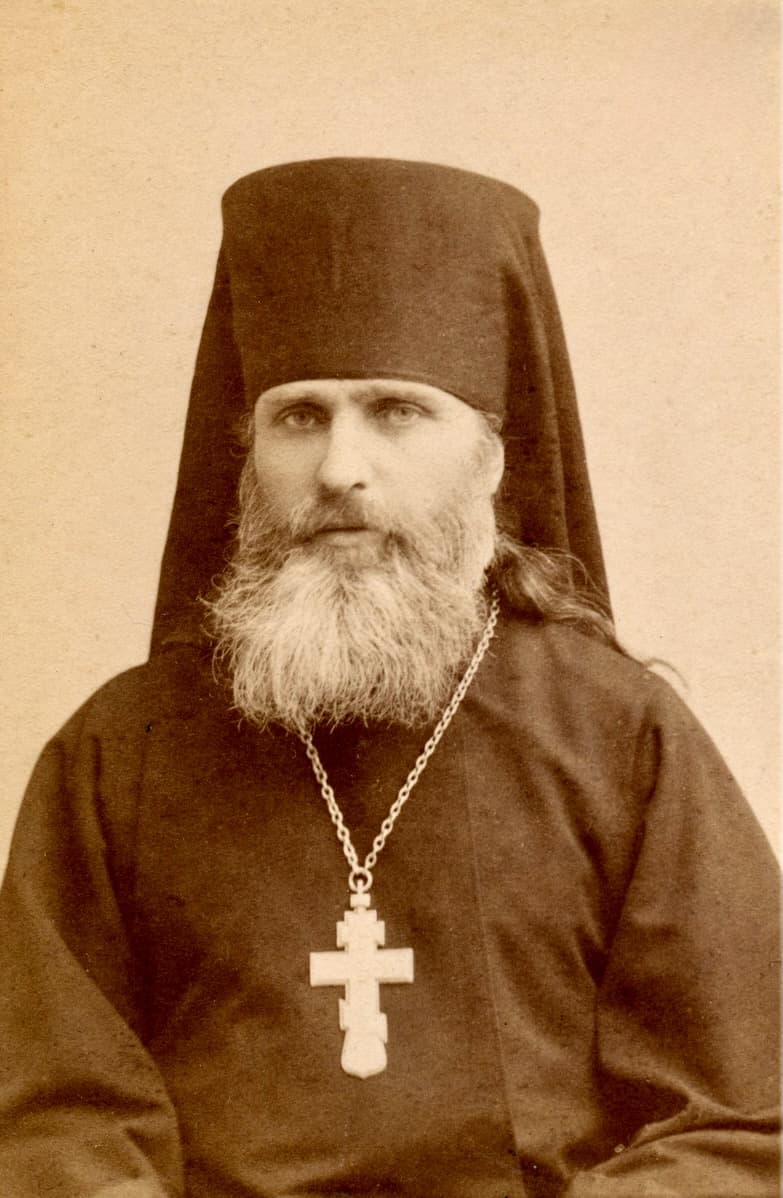
Ambrosius of Georgia
Ambrosius of Georgia was a Georgian religious figure and scholar who served as the Catholicos-Patriarch of All Georgia from 1921 to 1927. He is best remembered for his staunch opposition to the Soviet regime and his efforts to preserve the independence of the Georgian Orthodox Church. Canonized in 1995, he is venerated as Saint Ambrosius the Confessor.

David IV of Georgia
David IV of Georgia, known as David the Builder, was the 5th king of Georgia from 1089 to 1125. Widely regarded as the most successful Georgian ruler, he liberated the country from Seljuk occupation, notably through his victory at the Battle of Didgori. His comprehensive reforms of the army and administration restored Georgian unity and extended its influence across the Caucasus, ushering in a Georgian Golden Age.
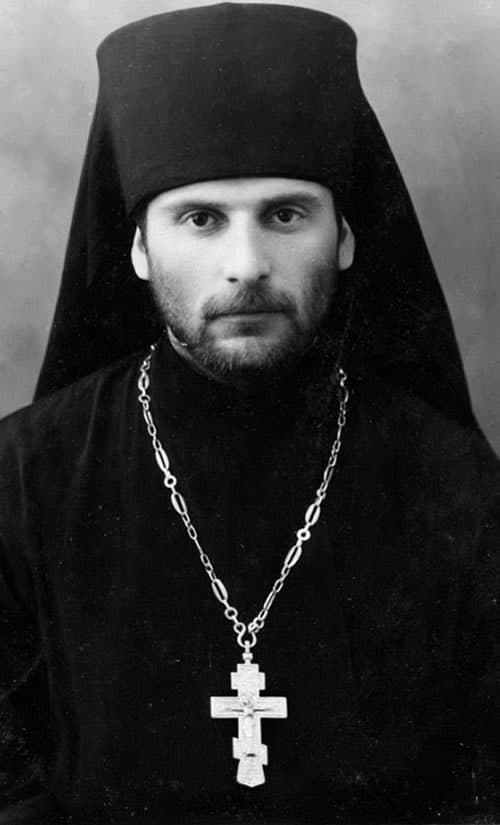
Gabriel of Georgia
Saint Gabriel of Georgia, born Goderdzi Urgebadze, was a Georgian Orthodox monk venerated for his dedicated monastic life and piety. He is remembered for his asceticism, prophetic gifts, and particularly for his public protest against Soviet power by burning a portrait of Lenin. He was officially canonized by the Georgian Orthodox Church as Saint Gabriel, Confessor and Fool for Christ, and his grave in Mtskheta has become a significant pilgrimage site.