
Ambrosius of Georgia
March 29·20th century·Georgia
Ambrosius of Georgia was a Georgian religious figure and scholar who served as the Catholicos-Patriarch of All Georgia from 1921 to 1927. He is best remembered for his staunch opposition to the Soviet regime and his efforts to preserve the independence of the Georgian Orthodox Church. Canonized in 1995, he is venerated as Saint Ambrosius the Confessor.
Key Facts
- ›Born Besarion Khelaia, he served as a priest in Abkhazia and published articles denouncing Russification policies.
- ›He was a prominent leader of the Georgian autocephalist movement, advocating for the restoration of the Georgian Orthodox Church's independence.
- ›Following the murder of the Russian Exarch of Georgia, Ambrosius was suspended from serving and deported to Russia.
- ›He was elected Catholicos-Patriarch of all Georgia in 1921 amidst the Soviet invasion.
- ›Ambrosius addressed a memorandum to the Genoa Conference protesting the Soviet occupation and was later imprisoned and publicly tried.
- ›He discovered a hitherto unknown version of the medieval Georgian chronicle, "the Conversion of Georgia."
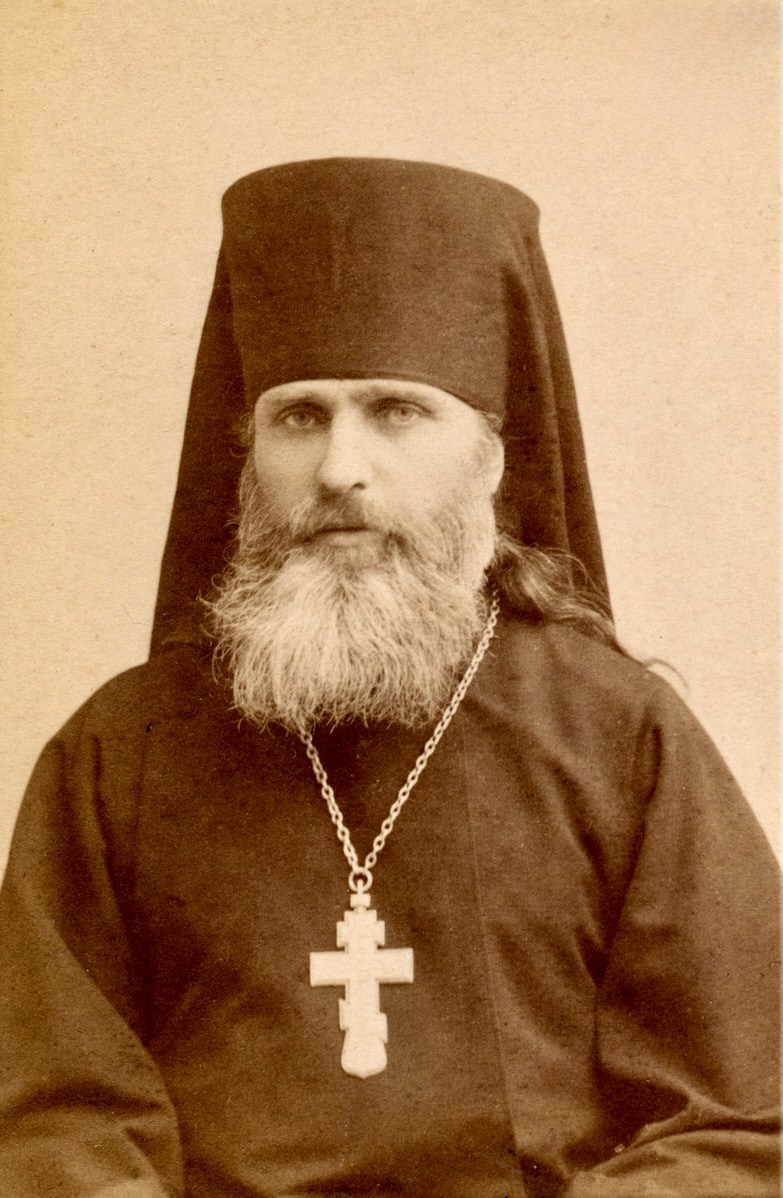
Ambrosi, Saint Ambrosius the Confessor, Ambrosi Aghmsarebeli, Besarion Khelaia
About Ambrosius of Georgia
Ambrosius of Georgia, born Besarion Khelaia on September 7, 1861, was a significant Georgian religious figure, scholar, and Patriarch of All Georgia from 1921 until his death on March 29, 1927. His life and ministry were deeply marked by the political upheavals of his time, including Imperial Russian rule and the advent of the Soviet regime.
Early Life and Scholarly Pursuits
Born in Martvili, then part of Imperial Russia, Ambrosius received his theological education, graduating from the Tiflis Theological Seminary in 1885. He was ordained to the priesthood and served in various locations in Abkhazia, where he also taught in the Georgian language. Under the pseudonym "Amber," he authored articles critical of the Russification policies in Abkhazia. His academic pursuits continued at the Kazan Theological Academy, where he completed his studies in 1900 with a thesis on the "Struggle of Christianity against Islam in Georgia." After being tonsured a Hieromonk in 1901, he returned to Georgia and held positions within the church hierarchy, including at the Chelishi Monastery and the Synodal Office in Tbilisi.
Leadership in the Autocephalist Movement
In the early 1900s, Ambrosius became a leading voice in the Georgian autocephalist movement, advocating for the restoration of the Georgian Orthodox Church's autocephalous status, which had been abolished by Imperial Russia in 1811. This movement faced significant opposition, leading to protests, arrests, and even violent incidents. The Georgian church suffered from the policies of Russian exarches, losing property, seeing schools closed, and experiencing the discouragement of the Georgian language in liturgy. The struggle intensified, and Ambrosius himself was banned from liturgical services and confined to a monastery.
Persecution and Patriarchate
The period following the Russian Revolution of 1917 provided an opportunity for the Georgian Church to reassert its independence. Ambrosius was consecrated Metropolitan of Chkondidi and later transferred to Abkhazia. When the Soviet Union invaded Georgia in 1921, the Church faced severe persecution. Churches and monasteries were closed, clergy were persecuted, and church property was confiscated. In 1921, Ambrosius was elected Catholicos-Patriarch of All Georgia.
Despite the oppressive regime, Ambrosius continued to advocate for his people. In 1922, he sent a memorandum to the Genoa Conference, protesting the Soviet occupation and demanding international intervention against the atrocities of the Bolshevik regime. This act led to his arrest and public trial in 1924. Although expected to face a death sentence, he was condemned to eight years of imprisonment. He famously declared, "My soul belongs to God, my heart to my country; you, my executioners, do what you will with my body." He and other clerics were released from prison in 1926.
Scholarly Contributions and Canonization
Beyond his pastoral and political roles, Ambrosius was a notable historian and researcher of Georgian primary sources. He discovered a significant medieval Georgian chronicle, "The Conversion of Georgia" (the Chelishi codex). In recognition of his piety and steadfastness, the Holy Synod of the Georgian Orthodox Church canonized him in 1995 as Saint Ambrosius the Confessor, with his commemoration day set for March 16 (29, N.S.). In 2013, he was posthumously awarded the title and Order of National Hero of Georgia.
Source: Wikipedia ↗
Frequently Asked Questions
Who was Ambrosius of Georgia?
Ambrosius of Georgia, born Besarion Khelaia, was a prominent Georgian religious figure and scholar. He served as the Catholicos-Patriarch of All Georgia from 1921 to 1927 and is known for his opposition to the Soviet regime.
Why was Ambrosius of Georgia canonized?
Ambrosius was canonized by the Georgian Orthodox Church in 1995 as Saint Ambrosius the Confessor. This recognition honors his steadfast faith and his role as a confessor, particularly for his resistance to the Soviet government.
What was Ambrosius's role in the Georgian autocephalist movement?
In the 1900s, Ambrosius emerged as a key leader in the Georgian autocephalist movement, which sought to restore the independent status of the Georgian Orthodox Church, abolished by Imperial Russia. He actively campaigned through the press and church committees for this cause.
What happened to Ambrosius during the Soviet era?
During the Soviet period, Ambrosius was arrested and faced a public trial in 1924 for allegedly concealing church treasures to protect them from the state. He was sentenced to eight years imprisonment but was later released in 1926.
What significant historical discovery is attributed to Ambrosius?
Ambrosius was a prolific historian and researcher of Georgian sources. He is credited with discovering a previously unknown version of the medieval Georgian chronicle, "The Conversion of Georgia," known as the Chelishi codex.
Related Saints
George of Chqondidi
George of Chqondidi was a Georgian churchman and court minister who served as archbishop of Chqondidi and was the closest adviser to King David IV. He is best remembered as King David IV's tutor and spiritual father, playing a crucial role in the king's reforms of church and state and in military campaigns against the Seljuk Turks. His death in 1118 was deeply mourned by the kingdom and the king.
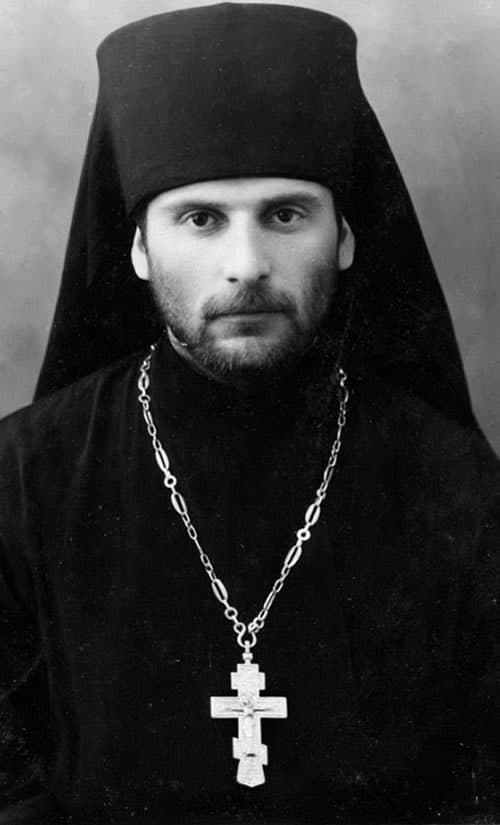
Gabriel of Georgia
Saint Gabriel of Georgia, born Goderdzi Urgebadze, was a Georgian Orthodox monk venerated for his dedicated monastic life and piety. He is remembered for his asceticism, prophetic gifts, and particularly for his public protest against Soviet power by burning a portrait of Lenin. He was officially canonized by the Georgian Orthodox Church as Saint Gabriel, Confessor and Fool for Christ, and his grave in Mtskheta has become a significant pilgrimage site.
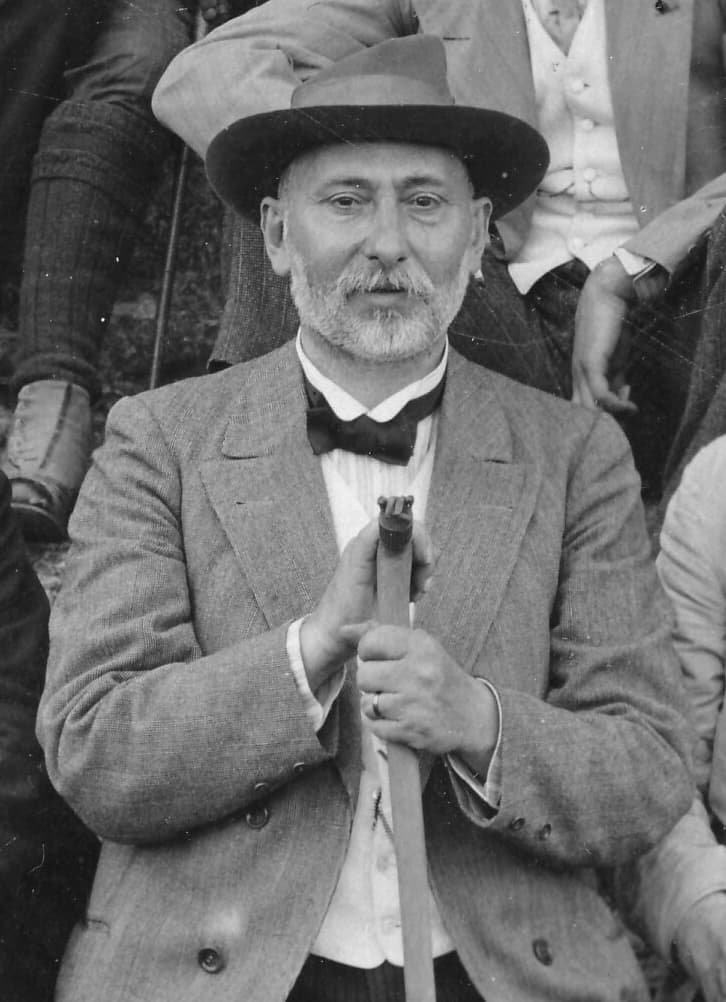
Ekvtime Takaishvili
Ekvtime Takaishvili was a Georgian historian, archaeologist, and public benefactor who dedicated his life to preserving Georgian heritage. He is chiefly remembered for his extensive scholarly work and his pivotal role in safeguarding the Georgian national treasury during a period of political upheaval, ensuring its eventual return to Georgia. Takaishvili was later canonized as a saint by the Georgian Orthodox Church.