
Ekvtime Takaishvili
Ekvtime Takaishvili was a Georgian historian, archaeologist, and public benefactor who dedicated his life to preserving Georgian heritage. He is chiefly remembered for his extensive scholarly work and his pivotal role in safeguarding the Georgian national treasury during a period of political upheaval, ensuring its eventual return to Georgia. Takaishvili was later canonized as a saint by the Georgian Orthodox Church.
Key Facts
- ›Ekvtime Takaishvili was born in the village of Likhauri in 1862.
- ›He graduated from St. Petersburg University in 1887 and lectured on Georgian history in Tbilisi.
- ›Takaishvili chaired the Society of History and Ethnography of Georgia from 1907 to 1921.
- ›He organized archaeological expeditions to the historic Georgian region of Tao-Klarjeti.
- ›Following Georgia's independence, he served as Deputy Chairman of the Constituent Assembly.
- ›Takaishvili was canonized as a saint by the Georgian Orthodox Church in 2002.
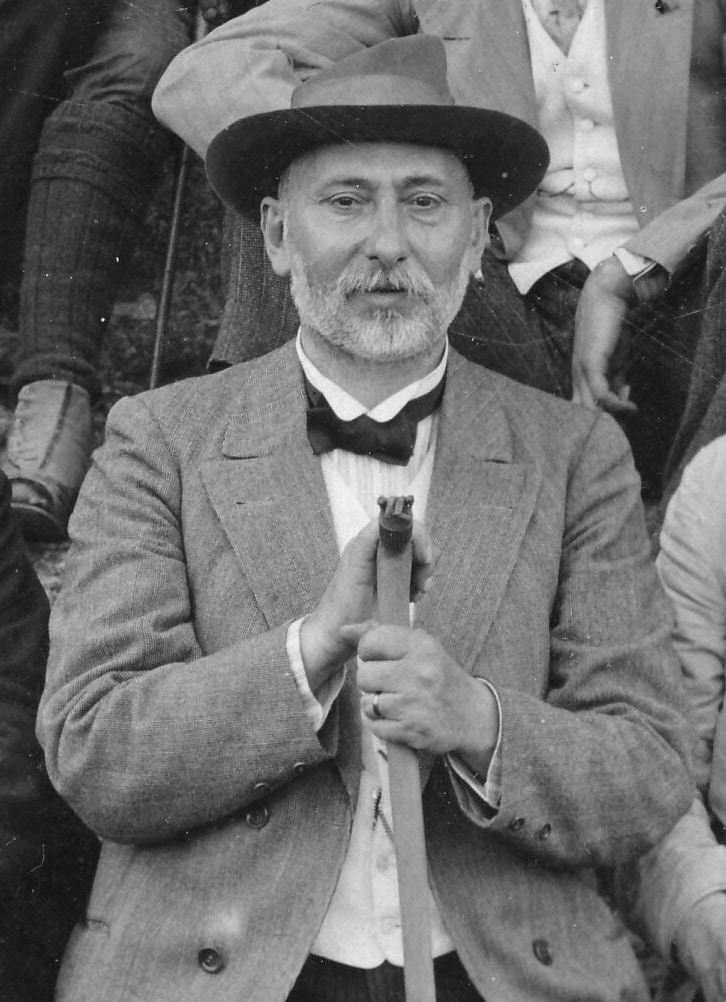
Euthymius Takaishvili, Man of God
About Ekvtime Takaishvili
Ekvtime Takaishvili (1862–1953) was a distinguished Georgian historian, archaeologist, and public benefactor, later recognized as a saint by the Georgian Orthodox Church. Born into a noble family, he pursued higher education at St. Petersburg University before dedicating his career to the study and preservation of Georgian history and culture.
Life and Historical Context
From 1887 to 1917, Takaishvili was an influential lecturer on Georgian history at prestigious institutions in Tbilisi, including the Tbilisi Gymnasium for Nobility. He was a leading figure in the Society of History and Ethnography of Georgia from 1907 to 1921, during which time he organized significant archaeological expeditions to the historic Georgian region of Tao-Klarjeti. Following the February Revolution, Takaishvili also engaged in politics, co-founding the National Democratic Party of Georgia in 1917 and serving as Deputy Chairman of the Constituent Assembly of the Democratic Republic of Georgia from 1919 to 1921.
The Georgian National Treasury
A pivotal moment in Takaishvili's life occurred in 1921 when Bolshevik forces ended Georgia's independence. He then undertook the monumental task of transporting the Georgian national treasury, comprising numerous priceless artifacts of Georgian material culture, to France for safekeeping. Takaishvili personally supervised this vast collection, which was housed in Parisian banks. Despite facing extreme economic hardship and legal challenges, he resolutely protected the treasury, refusing to sell any items for personal sustenance. His efforts culminated in the treasury's eventual return to Georgia after World War II, facilitated by diplomatic relations between the Soviet Union and France.
Scholarly and Spiritual Legacy
Ekvtime Takaishvili authored many significant scholarly works on Georgian and Caucasian history and archaeology that remain relevant today. In recognition of his enduring contributions, Tbilisi Second Gymnasium was named in his honor, and he was posthumously awarded the title and Order of National Hero of Georgia in 2013. In 2002, the Holy Synod of the Georgian Orthodox Church canonized him as a saint, acknowledging his dedication to his faith and his nation. His remains are interred in the Mtatsminda Pantheon in Tbilisi.
Source: Wikipedia ↗
Frequently Asked Questions
Who was Ekvtime Takaishvili?
Ekvtime Takaishvili was a prominent Georgian historian, archaeologist, and public benefactor. He was also canonized as a saint by the Georgian Orthodox Church for his contributions to preserving national heritage and his spiritual leadership.
What was Ekvtime Takaishvili's role in preserving the Georgian national treasury?
During Georgia's independence and subsequent Soviet occupation, Takaishvili took possession of the Georgian national treasury, consisting of precious artifacts. He safeguarded this collection in France for many years, eventually ensuring its return to Georgia.
When was Ekvtime Takaishvili canonized?
Ekvtime Takaishvili was posthumously canonized as a saint in 2002 by the Holy Synod of the Georgian Orthodox Church. He was given the title 'Man of God'.
What were Ekvtime Takaishvili's main scholarly contributions?
Takaishvili authored numerous scholarly works focusing on the history and archaeology of Georgia and the Caucasus region. These writings are considered to be of significant value even today.
Where is Ekvtime Takaishvili buried?
Ekvtime Takaishvili was initially buried in the Didube Pantheon in Tbilisi. In 2002, his remains were transferred to the more prominent Mtatsminda Pantheon.
Related Saints
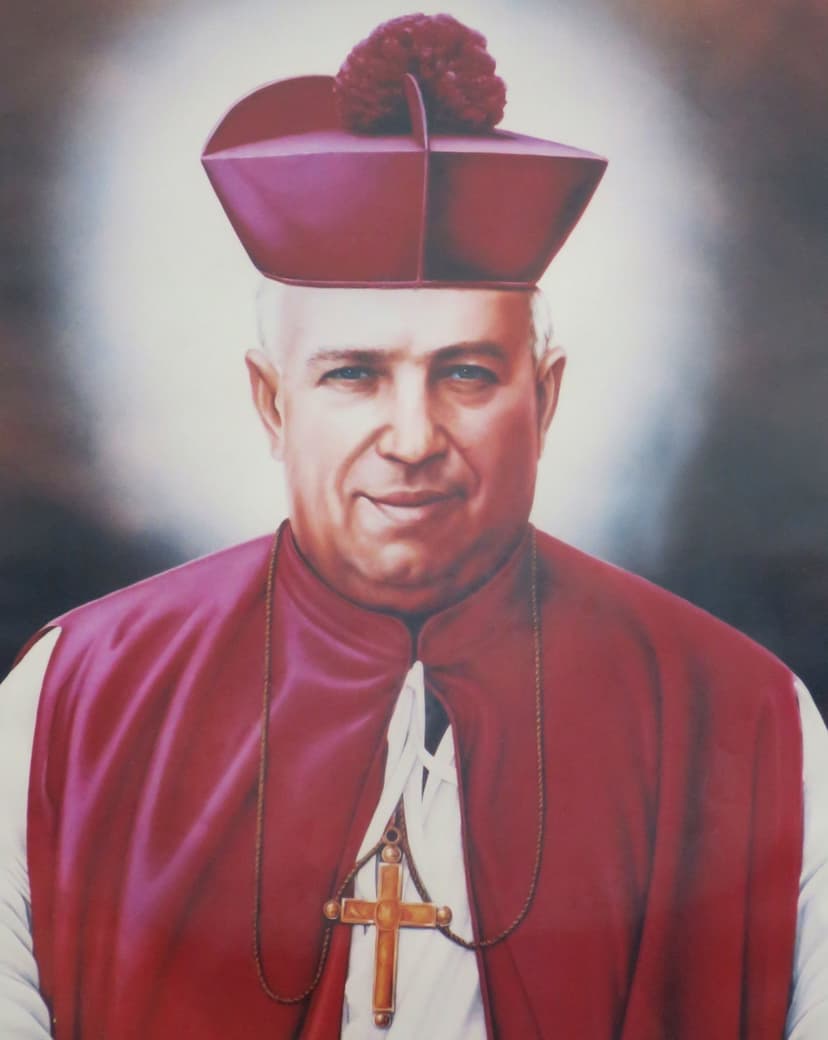
Rafael Guízar Valencia
Rafael Guízar Valencia was a Mexican bishop of the Roman Catholic Church who endured persecution during the Mexican Revolution. He served as Bishop of Xalapa and spent nine years in exile, ministering secretly and caring for the sick and plague victims. He is remembered for his unwavering faith and pastoral care amidst political turmoil, and was canonized by Pope Benedict XVI in 2006.
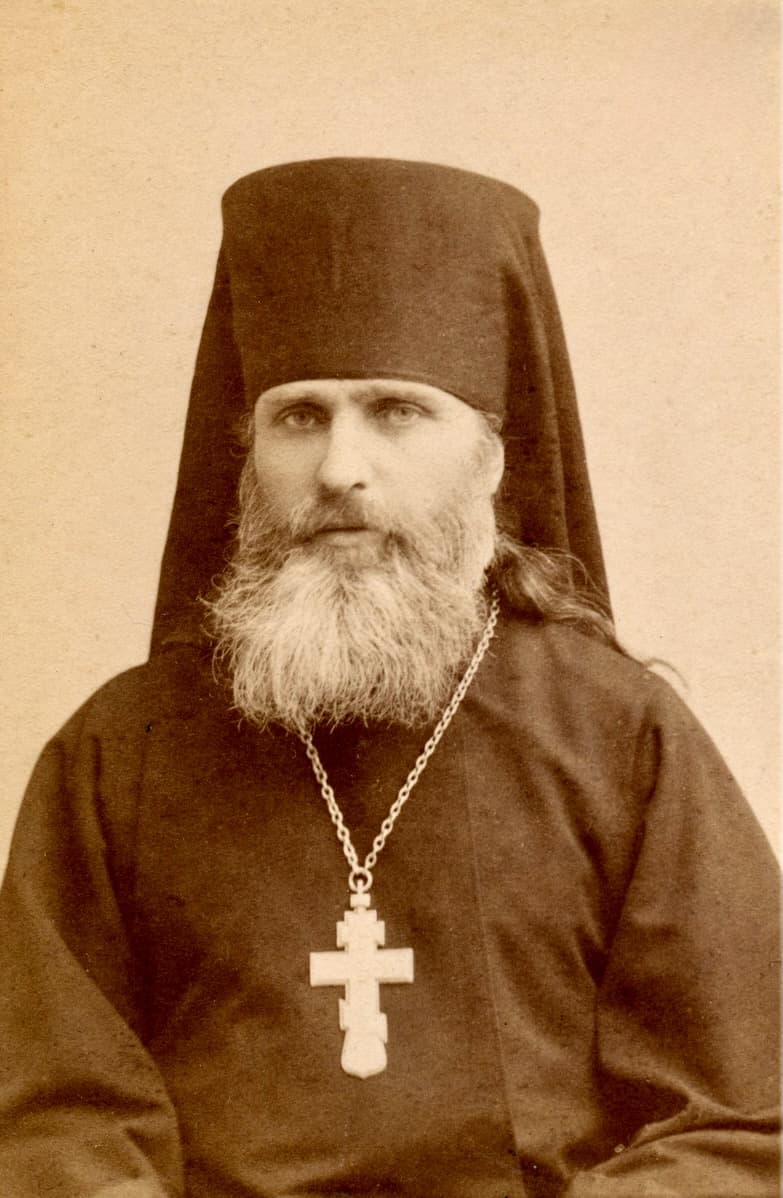
Ambrosius of Georgia
Ambrosius of Georgia was a Georgian religious figure and scholar who served as the Catholicos-Patriarch of All Georgia from 1921 to 1927. He is best remembered for his staunch opposition to the Soviet regime and his efforts to preserve the independence of the Georgian Orthodox Church. Canonized in 1995, he is venerated as Saint Ambrosius the Confessor.
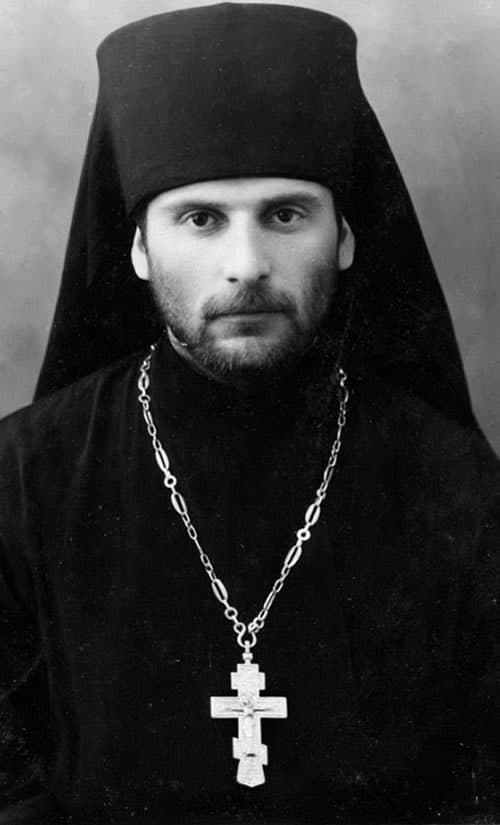
Gabriel of Georgia
Saint Gabriel of Georgia, born Goderdzi Urgebadze, was a Georgian Orthodox monk venerated for his dedicated monastic life and piety. He is remembered for his asceticism, prophetic gifts, and particularly for his public protest against Soviet power by burning a portrait of Lenin. He was officially canonized by the Georgian Orthodox Church as Saint Gabriel, Confessor and Fool for Christ, and his grave in Mtskheta has become a significant pilgrimage site.