
Rafael Guízar Valencia
October 15·20th century·Mexico
Rafael Guízar Valencia was a Mexican bishop of the Roman Catholic Church who endured persecution during the Mexican Revolution. He served as Bishop of Xalapa and spent nine years in exile, ministering secretly and caring for the sick and plague victims. He is remembered for his unwavering faith and pastoral care amidst political turmoil, and was canonized by Pope Benedict XVI in 2006.
Key Facts
- ›Rafael Guízar Valencia was born in Cotija, Mexico, in 1878.
- ›He was ordained a priest in 1901 and later became a bishop in 1919.
- ›He founded a religious newspaper and a clandestine seminary.
- ›Guízar lived in hiding and under disguise during periods of political persecution.
- ›He ministered to victims of the black plague and an earthquake.
- ›He died in Mexico City in 1938 and his tomb in Xalapa attracts many worshipers.
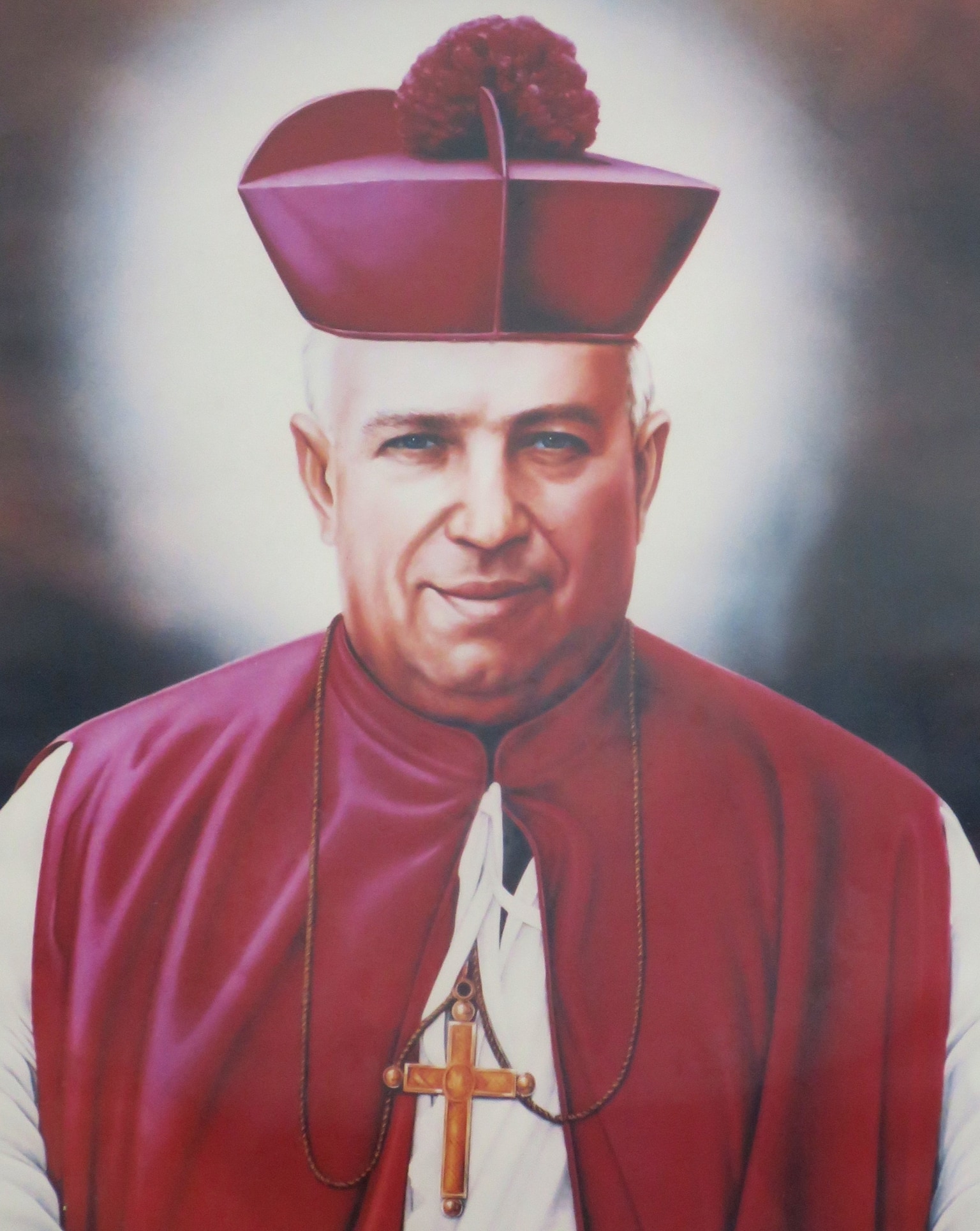
About Rafael Guízar Valencia
Rafael Guízar Valencia (1878–1938) was a Mexican bishop of the Roman Catholic Church who became a symbol of faith and resilience during a period of intense religious persecution in Mexico. His life was marked by unwavering devotion to his flock, even when forced to serve in secret and in exile.
Life and Historical Context
Born in Cotija, Mexico, Guízar Valencia felt a calling to the priesthood early in life, entering the seminary in 1891 and being ordained in 1901. He quickly took on responsibilities, serving as spiritual director of a seminary and founding a religious newspaper. However, his ministry coincided with the tumultuous years of the Mexican Revolution, a period that brought severe political and religious upheaval. Guízar Valencia experienced direct persecution, which led him to live in hiding for extended periods. He adopted various disguises, working as a street seller, musician, and even a homeopathic doctor, all while secretly administering sacraments and ministering to those in need.
His episcopal consecration as Bishop of Xalapa in 1919 occurred amidst this challenging environment. He was driven out of his diocese and spent nine years in exile, often living in Mexico City or temporarily leaving the country for the United States and Guatemala. Despite these hardships, he maintained a clandestine seminary, ensuring the continuation of priestly formation. Guízar Valencia also dedicated himself to humanitarian efforts, caring for victims of the black plague and assisting in the recovery and relief efforts following a devastating earthquake in Veracruz in 1920.
Ministry and Legacy
Rafael Guízar Valencia's ministry was characterized by his courage and deep pastoral concern. He ministered to the sick, the poor, and those facing spiritual and physical hardship, often at great personal risk. His ability to adapt and continue his work under oppressive conditions highlights his spiritual fortitude. He died in Mexico City on June 6, 1938, and his tomb in the Cathedral of Xalapa has become a site of pilgrimage, with many seeking his intercession.
Veneration
Guízar Valencia's sanctity was recognized by the Catholic Church through a process of beatification and canonization. He was beatified by Pope John Paul II on January 29, 1995, and subsequently canonized by Pope Benedict XVI on October 15, 2006, affirming his exemplary life of faith and service.
Source: Wikipedia ↗
Frequently Asked Questions
When and where was Rafael Guízar Valencia born?
Rafael Guízar Valencia was born in 1878 in Cotija, Mexico. His parents were Prudencio and Natividad Guízar y Valencia.
What challenges did Rafael Guízar Valencia face during his ministry?
During the Mexican Revolution and its aftermath, Guízar Valencia faced significant political persecution. He was forced into exile for nine years and had to live in hiding, disguising himself to administer sacraments and continue his priestly work.
What was Rafael Guízar Valencia's role in the Church?
He served as the Bishop of Xalapa, though much of his tenure was spent in hiding or exile. He also founded a religious newspaper and maintained a clandestine seminary to train future priests.
How did Rafael Guízar Valencia care for the afflicted?
Guízar Valencia ministered to those suffering from the black plague and provided relief and support to survivors of an earthquake that struck Veracruz. He also worked with government officials to raise funds for recovery efforts.
When was Rafael Guízar Valencia canonized?
Rafael Guízar Valencia was canonized as a saint by Pope Benedict XVI on October 15, 2006. He had been beatified by Pope John Paul II on January 29, 1995.
Related Saints
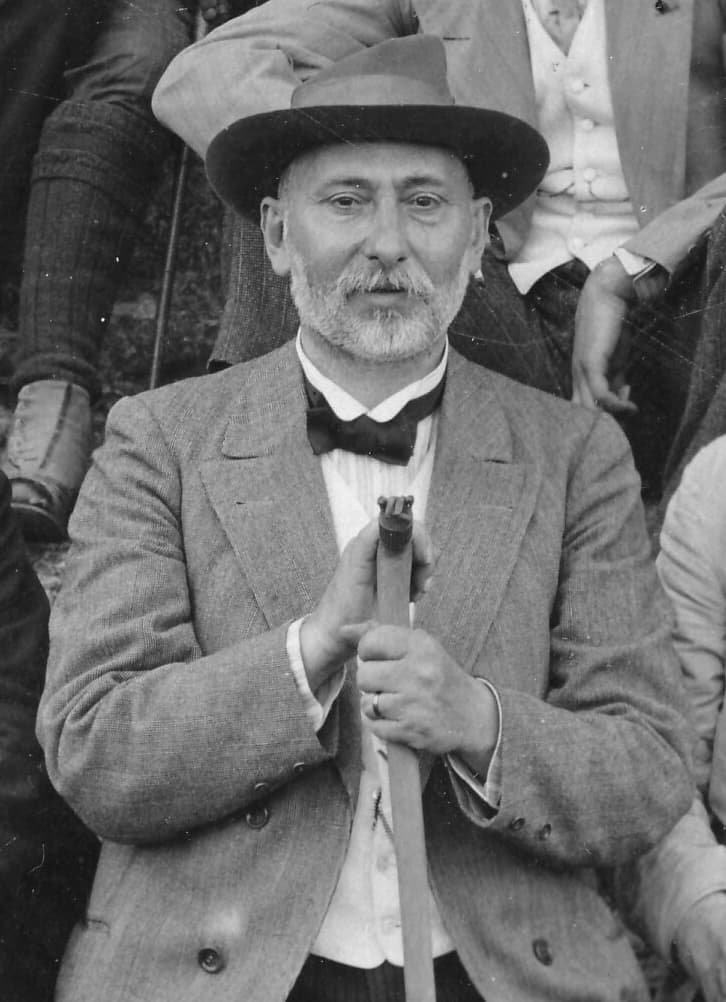
Ekvtime Takaishvili
Ekvtime Takaishvili was a Georgian historian, archaeologist, and public benefactor who dedicated his life to preserving Georgian heritage. He is chiefly remembered for his extensive scholarly work and his pivotal role in safeguarding the Georgian national treasury during a period of political upheaval, ensuring its eventual return to Georgia. Takaishvili was later canonized as a saint by the Georgian Orthodox Church.
Rafael Guízar y Valencia
Rafael Guízar y Valencia was a Mexican bishop of the Roman Catholic Church who endured significant persecution during the Mexican Revolution. He is remembered for his steadfast ministry in hiding, his efforts in disaster relief, and his eventual canonization.
Cristóbal Magallanes Jara
Cristóbal Magallanes Jara was a Mexican Catholic priest and martyr who was killed during the Cristero War. He is remembered for his faith and for being falsely accused of inciting rebellion, leading to his execution without trial.