
Pope Benedict XVI
Pope Benedict XVI, born Joseph Ratzinger, served as the head of the Catholic Church and sovereign of Vatican City from 2005 until his resignation in 2013. A highly regarded theologian and philosopher, he is remembered for his defense of traditional Catholic doctrine and his efforts to counter secularization by advocating a return to fundamental Christian values. Following his papacy, he adopted the title "pope emeritus."
Key Facts
- ›Born Joseph Alois Ratzinger on April 16, 1927, in Bavaria, Germany.
- ›Ordained a priest in 1951 and became a professor of theology.
- ›Appointed Archbishop of Munich and Freising and created a cardinal in 1977.
- ›Served as Prefect of the Congregation for the Doctrine of the Faith from 1981 to 2005.
- ›Elected Pope on April 19, 2005, choosing the name Benedict XVI.
- ›Resigned from the papacy on February 28, 2013, due to health reasons.
- ›Died on December 31, 2022, holding the title of pope emeritus.
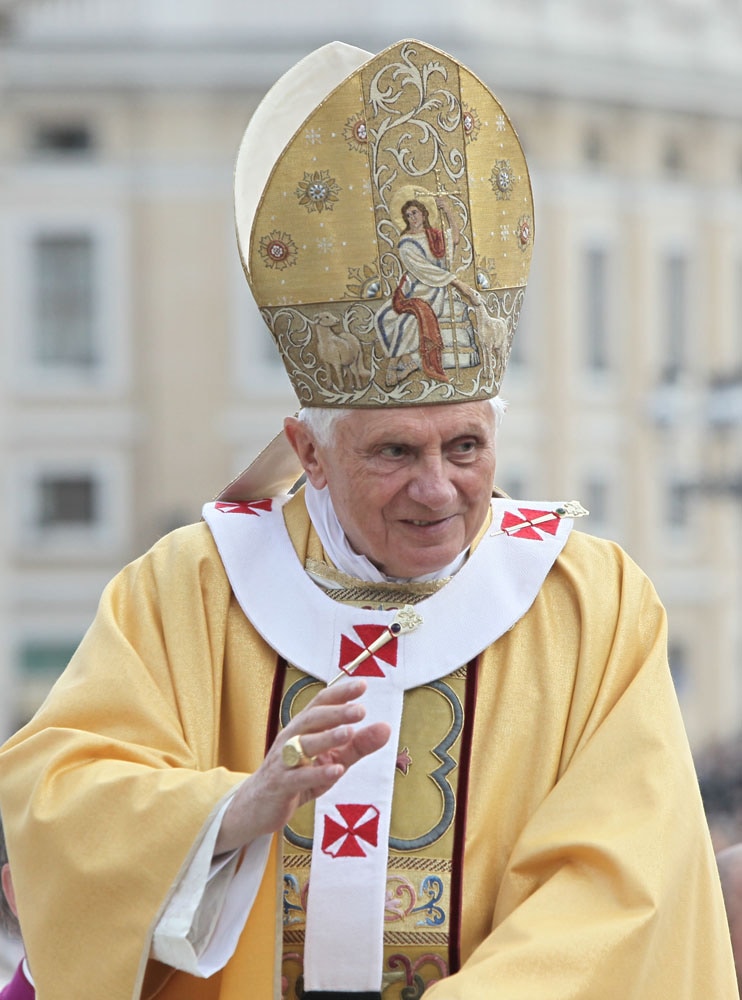
Joseph Alois Ratzinger, Pope Emeritus Benedict XVI
Ring of the Fisherman, Pallium
About Pope Benedict XVI
Pope Benedict XVI, born Joseph Alois Ratzinger on April 16, 1927, served as the head of the Catholic Church and sovereign of Vatican City from 2005 until his resignation in 2013. Following his resignation, he adopted the title "pope emeritus," a status he held until his death on December 31, 2022. Benedict XVI was also a significant philosopher and theologian of the 20th and early 21st centuries.
Early Life and Academic Career
Born in Bavaria, Germany, Ratzinger was ordained a priest in 1951. He embarked on an academic career, establishing himself as a highly regarded theologian by the late 1950s and becoming a full professor at the age of 31. His academic work included significant contributions to dogmatic theology and participation as a theological consultant at the Second Vatican Council. Initially viewed as a reformer, his views evolved over time, leading him to increasingly defend traditional Catholic teachings.
Pre-Papal Leadership Roles
In 1977, Ratzinger was appointed Archbishop of Munich and Freising and was created a cardinal. In 1981, he became the Prefect of the Congregation for the Doctrine of the Faith, a pivotal dicastery within the Roman Curia, where he served for over two decades. In this role, he became known for defending and reaffirming Catholic doctrine on various issues and for his influence in setting church priorities.
Papacy and Resignation
Elected Pope on April 19, 2005, Ratzinger chose the name Benedict XVI, honoring Pope Benedict XV and Saint Benedict of Nursia. His papacy was characterized by a focus on fundamental Christian values, countering secularization, and a defense of traditional Catholic doctrine and liturgy. He allowed for greater use of the Tridentine Mass and reintroduced traditional papal vestments, earning him the moniker "the pope of aesthetics." On February 28, 2013, citing health reasons, Benedict XVI became the first pope to resign his office since 1415, choosing to live in retirement as pope emeritus within Vatican City.
Legacy
Benedict XVI's legacy is that of a profound theologian and a steadfast defender of Catholic tradition. His writings and pastoral leadership aimed to strengthen faith in a rapidly changing world. His decision to resign marked a historic moment in the papacy, and his continued presence as pope emeritus offered a unique perspective on the Church's ongoing life.
Source: Wikipedia ↗
Frequently Asked Questions
When was Pope Benedict XVI born and when did he die?
Pope Benedict XVI was born on April 16, 1927, and died on December 31, 2022. He was elected pope in 2005 and resigned in 2013, continuing to live as pope emeritus until his death.
What was Pope Benedict XVI's birth name?
His birth name was Joseph Alois Ratzinger. He chose the papal name Benedict XVI in honor of Pope Benedict XV and Saint Benedict of Nursia.
What were Pope Benedict XVI's main theological views?
Benedict XVI was known for his defense of traditional Catholic doctrine and values, generally advocating for a return to fundamental Christian principles to counter secularization. He viewed relativism and the denial of objective moral truths as significant problems of the 21st century.
Why did Pope Benedict XVI resign from the papacy?
Pope Benedict XVI resigned on February 28, 2013, citing health reasons due to his advanced age. He was the first pope to resign in nearly 600 years.
What significant actions did Pope Benedict XVI take during his papacy?
During his pontificate, Benedict XVI revived traditions such as the greater use of the Tridentine Mass, strengthened the relationship between the Church and art, promoted the use of Latin, and reintroduced traditional papal vestments. He also established personal ordinariates for former Anglicans and Methodists joining the Catholic Church.
How did Pope Benedict XVI's career evolve before becoming pope?
Before his papacy, Ratzinger had a distinguished academic career as a theologian and professor at several German universities. He served as Archbishop of Munich and Freising, and as Prefect of the Congregation for the Doctrine of the Faith, becoming a key figure in the Vatican.
Related Saints
Pope John Paul II
Pope John Paul II, born Karol Józef Wojtyła, served as the head of the Catholic Church and sovereign of Vatican City from 1978 until his death in 2005. He was a significant philosopher and theologian of the 20th century, remembered for his extensive travels, emphasis on family, and efforts to improve interfaith relations, while maintaining traditional church doctrines. He was the first non-Italian pope in centuries and the third-longest-serving pope in history.
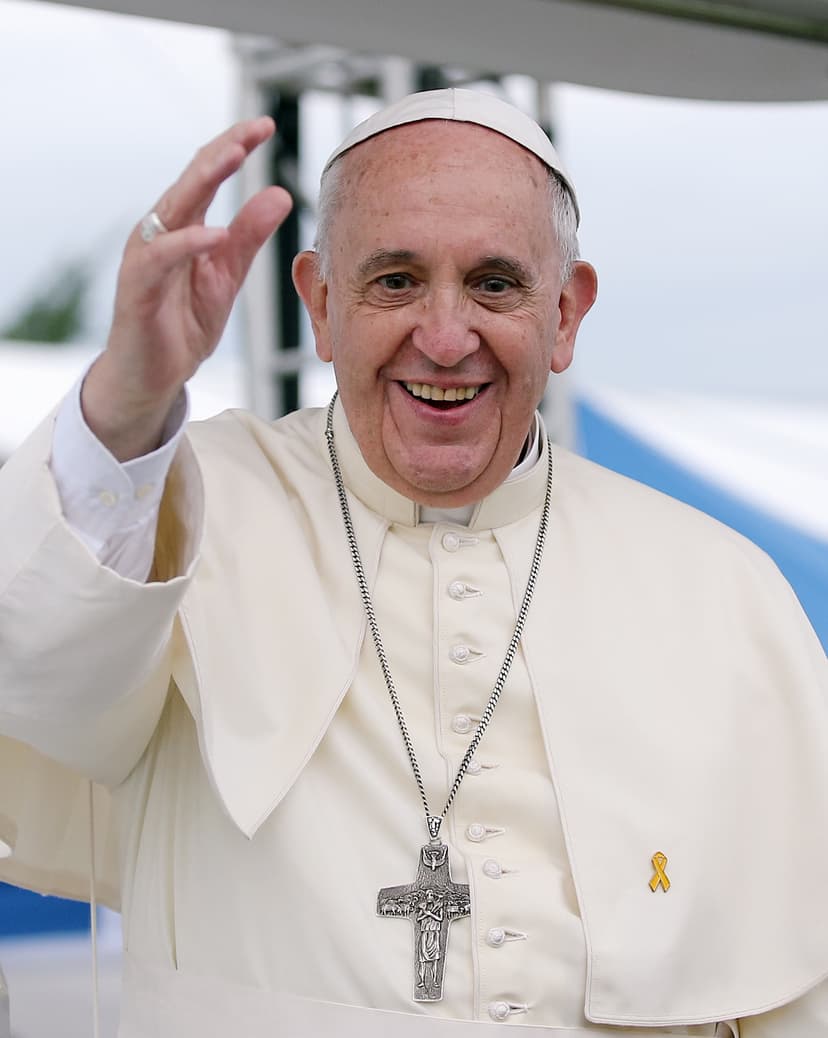
Pope Francis
Pope Francis, born Jorge Mario Bergoglio, served as the head of the Catholic Church and sovereign of Vatican City from 2013 until his death in 2025. He was the first Jesuit pope, the first from Latin America, and the first pope born outside Europe since the 8th century. He is remembered for his emphasis on God's mercy, concern for the poor and migrants, commitment to interreligious dialogue, and his less formal approach to the papacy.
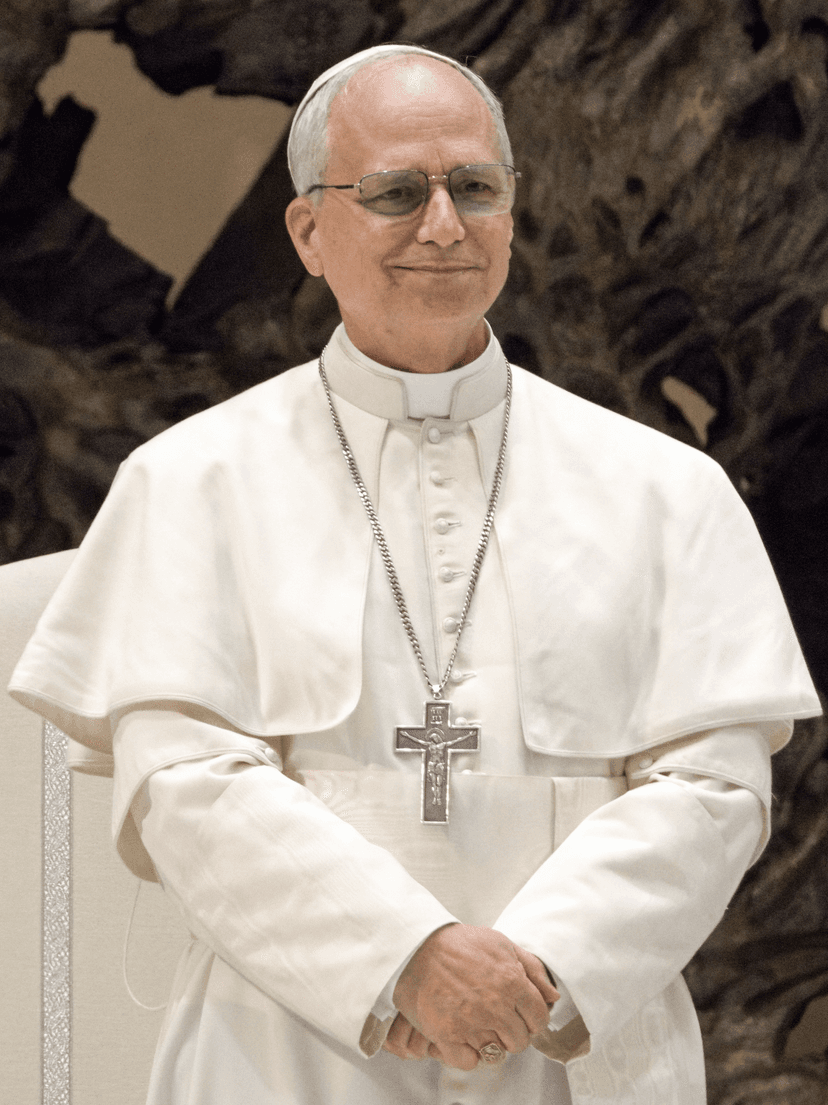
Pope Leo XIV
Pope Leo XIV, born Robert Francis Prevost, is the current head of the Catholic Church and sovereign of Vatican City. A member of the Order of Saint Augustine, he is remembered for his extensive missionary work in Peru, his leadership within his order, and his later roles in the Vatican's Dicastery for Bishops. His papacy is marked by a commitment to synodality, missionary dialogue, and addressing contemporary challenges such as artificial intelligence and exclusionary nationalism.