
Frideswide
Saint Frideswide was an English princess and abbess, traditionally credited as the foundress of a monastery that later became part of Christ Church Cathedral in Oxford. She is chiefly remembered as the patron saint of Oxford and its university, venerated for her piety and the spiritual significance of the well that sprang up at her prayer.
Key Facts
- ›Frideswide was the daughter of Dida, a sub-king of Mercia, and his wife Safrida.
- ›She founded a monastery in Oxford with her father's help during her youth.
- ›According to tradition, she fled an unwanted marriage proposal from Algar, king of Leicester, and a miraculous ship transported her to Bampton.
- ›A well with healing properties reputedly sprang up at Binsey after she prayed for an easier water source.
- ›She served as abbess until her death in 727.
- ›Archbishop Henry Chichele officially declared her the patron saint of Oxford and its university in 1440.
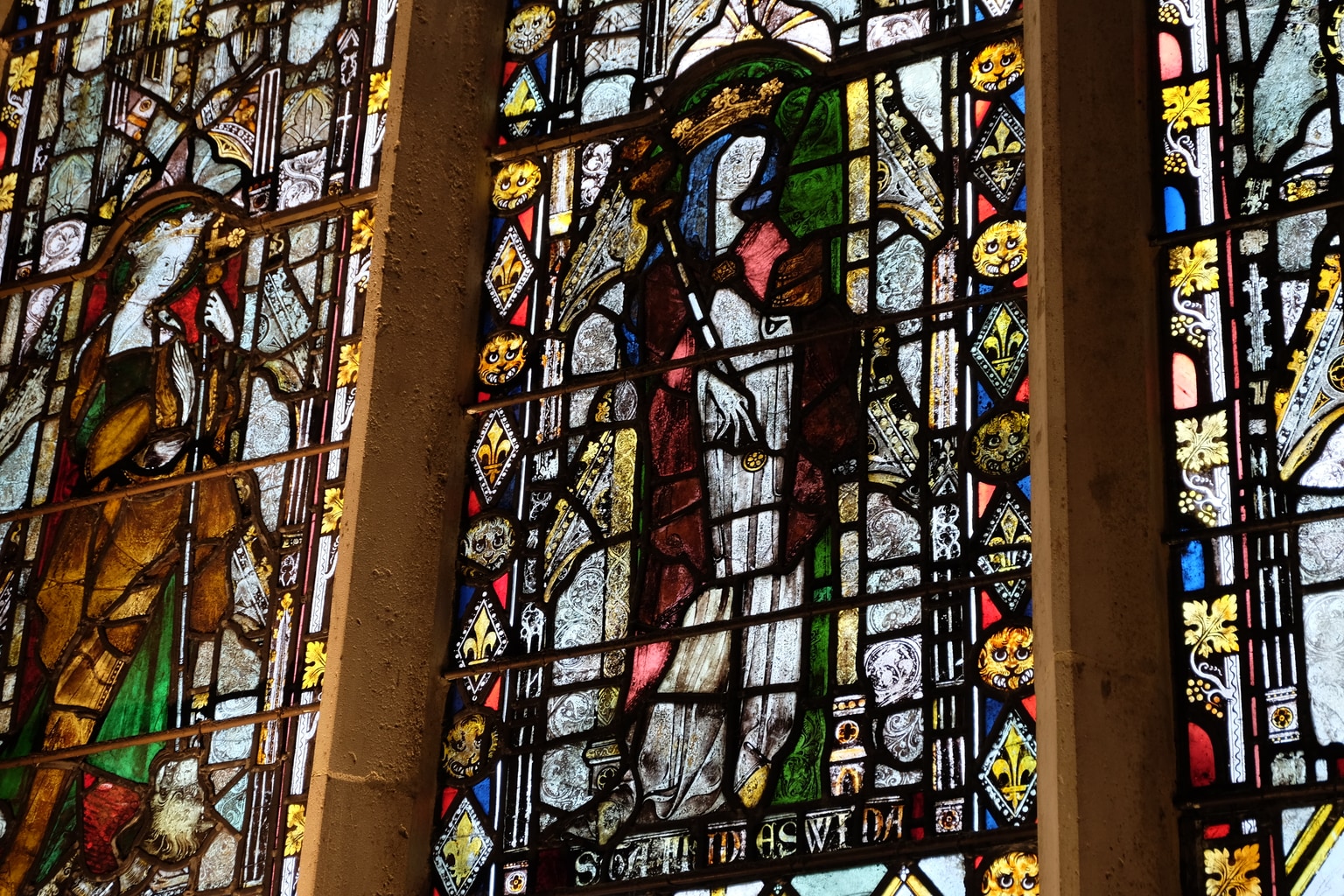
Frithuswith, Fritheswith, Fryðesƿeoð, Friðesƿyð, Frideswida
Oxford, University of Oxford
Lily, Wax Tablets, Pastoral Staff, Fountain, Ox
About Frideswide
Saint Frideswide
Saint Frideswide, known in Old English as Fryðesƿeoð or Friðesƿyð and in Latin as Frideswide, was an English princess and abbess of the 8th century. She is traditionally recognized as the foundress of a monastery in Oxford, the site of which was later incorporated into Christ Church Cathedral. Her life and legacy are deeply intertwined with the city of Oxford, for which she is the patron saint, as well as its renowned university.
Life and Legend
Born to King Didan and his wife Safrida, Frideswide was the daughter of a sub-king of Mercia. Early accounts, such as the Vita sanctae Fritheswithae uirginis, describe her founding a monastery with her father's support while still young. Following the deaths of her parents, she is said to have resisted an attempt by Algar, king of Leicester, to marry her, despite her vow of celibacy. According to legend, when she refused him, Algar attempted to abduct her, prompting Frideswide to flee into the wilderness. A divine intervention is said to have provided her with a ship that carried her to Bampton, Oxfordshire. Algar's subsequent search for her in Oxford reportedly led to him being struck blind.
Seeking further solitude, Frideswide later relocated to Binsey, Oxfordshire. Here, a legendary well reputedly sprang forth at her prayer, providing water and possessing healing properties. This well, a nineteenth-century reconstruction of which can be seen at the Church of Saint Margaret in Binsey, became a significant site of devotion. She eventually returned to Oxford and continued as abbess until her death.
The Priory and Veneration
St Frideswide's Priory, a medieval Augustinian house, is believed to occupy the site of her original abbey. The priory's buildings were later incorporated into Christ Church, Oxford. The abbey was destroyed in 1002 during the St. Brice's Day massacre, but a shrine dedicated to Frideswide was maintained. In 1180, her remains were translated to a new shrine in the monastery church, an event attended by King Henry II of England.
In 1440, Archbishop Henry Chichele officially proclaimed Frideswide the patron saint of Oxford and the University of Oxford. Her feast day is observed on October 19, the traditional date of her death. The priory seal, dating from the late 1180s, depicts Frideswide holding a lily and a set of wax tablets, symbolic attributes associated with her.
Later History and Modern Tradition
The shrine of St Frideswide faced significant challenges during the Dissolution of the Monasteries and subsequent periods. In 1546, the monastery church was established as the cathedral church for the diocese of Oxford. While Queen Mary reinstated her shrine in 1558, it was later desecrated, and her remains were mixed with those of Catherine Dammartin. Despite these historical upheavals, Frideswide continues to be revered as the patron saint of Oxford and its university. Modern tradition includes a revived interest in pilgrimages to Christ Church, and she is depicted in various artistic representations, including medieval and Pre-Raphaelite stained glass, often accompanied by symbols such as a fountain and an ox.
Source: Wikipedia ↗
Frequently Asked Questions
Who was Saint Frideswide?
Saint Frideswide was an English princess and abbess who lived in the 8th century. She is recognized as the foundress of a monastery that eventually became part of Christ Church Cathedral in Oxford and is venerated as the patron saint of Oxford and its university.
What is Saint Frideswide known for?
She is chiefly remembered for founding a monastery in Oxford and for the legend of a miraculous well that sprang up at Binsey, which was said to have healing properties. Her patronage of Oxford and its university is also a significant aspect of her legacy.
When was Saint Frideswide's feast day?
Her feast day is traditionally celebrated on October 19, which is believed to be the date of her death.
Where are Saint Frideswide's relics kept?
Her relics are kept in Christ Church Cathedral, Oxford, where her shrine is located. The history of her relics is complex, having been translated, desecrated, and partially recombined with other remains over the centuries.
What is the significance of the well associated with Saint Frideswide?
The well at Binsey is said to have sprung up after Frideswide prayed for an easier source of water. Its waters were believed to have healing properties, and it became a site of pilgrimage and devotion.
Related Saints
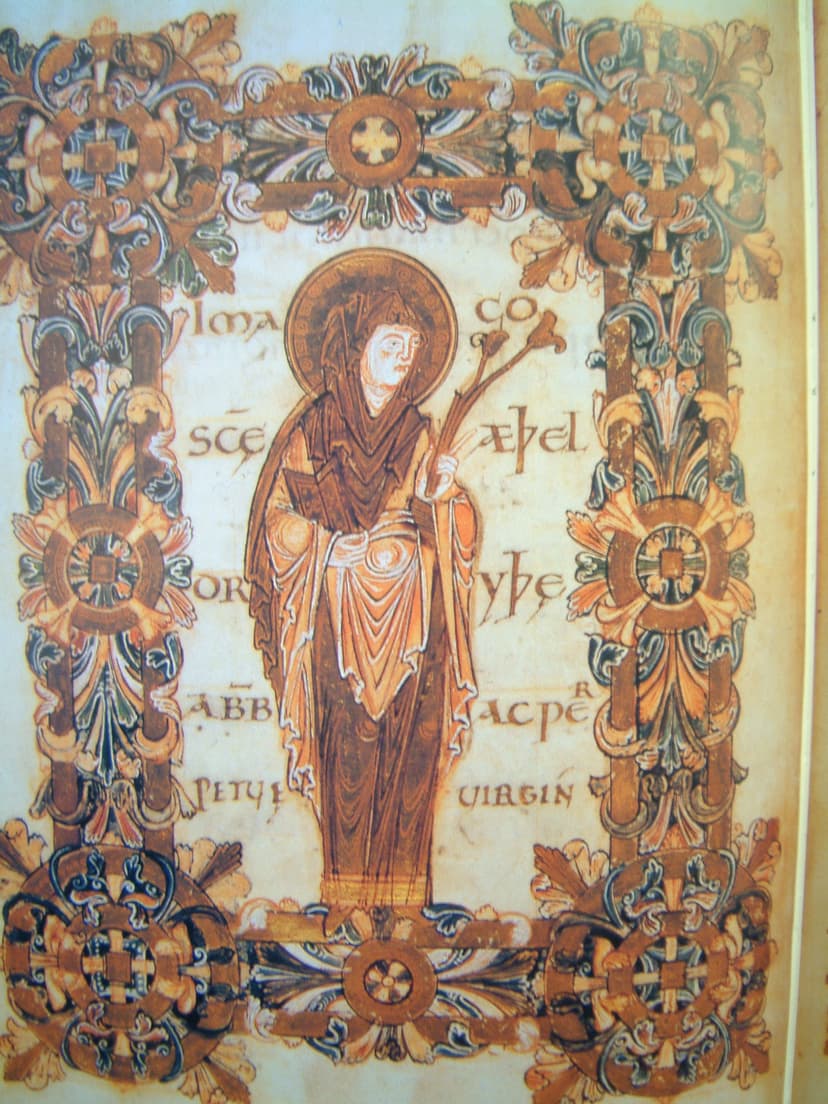
Etheldreda of Ely
Etheldreda of Ely was an East Anglian princess, a queen, and an abbess, renowned as an Anglo-Saxon saint. She is remembered for her piety, her founding of Ely Abbey, and her vow of perpetual virginity despite two marriages. Her uncorrupted body, discovered sixteen years after her death, became a focus of veneration and numerous churches are dedicated to her.

Hilda of Whitby
Hilda of Whitby was a prominent Anglo-Saxon saint and abbess, renowned for her wisdom and administrative skills. She founded the monastery at Whitby, which became the site of the pivotal Synod of Whitby in 664, influencing the direction of Christianity in England. Hilda is remembered as a mother figure to her community and a significant figure in the Christianization of Anglo-Saxon England.
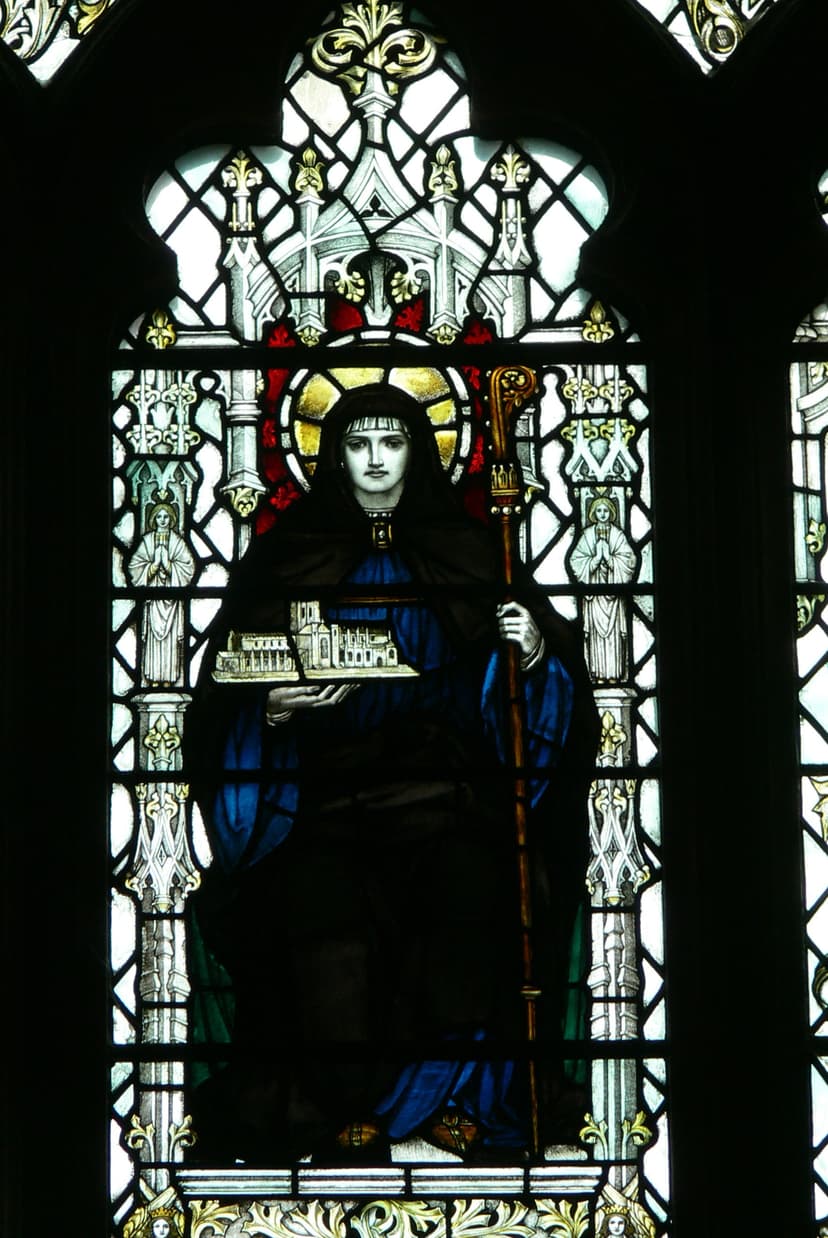
Werburgh
Werburgh was an Anglo-Saxon princess who became the patron saint of Chester. Daughter of King Wulfhere of Mercia, she was a nun for most of her life and eventually became the fourth Abbess of Ely. She is chiefly remembered for her role in convent reform and as the patron saint of Chester, with legends attributing miracles to her.