
Etheldreda of Ely
Etheldreda of Ely was an East Anglian princess, a queen, and an abbess, renowned as an Anglo-Saxon saint. She is remembered for her piety, her founding of Ely Abbey, and her vow of perpetual virginity despite two marriages. Her uncorrupted body, discovered sixteen years after her death, became a focus of veneration and numerous churches are dedicated to her.
Key Facts
- ›Etheldreda was an East Anglian princess, a Fenland and Northumbrian queen, and Abbess of Ely.
- ›She maintained a vow of perpetual virginity throughout her first marriage to Tondberct.
- ›Following Tondberct's death, she retired to the Isle of Ely, which she had received as a morning gift.
- ›She was remarried for political reasons to Ecgfrith of Northumbria.
- ›Etheldreda founded Ely Abbey, a double monastery, in 673.
- ›Her uncorrupted body was translated sixteen years after her death and found to possess miraculous powers.
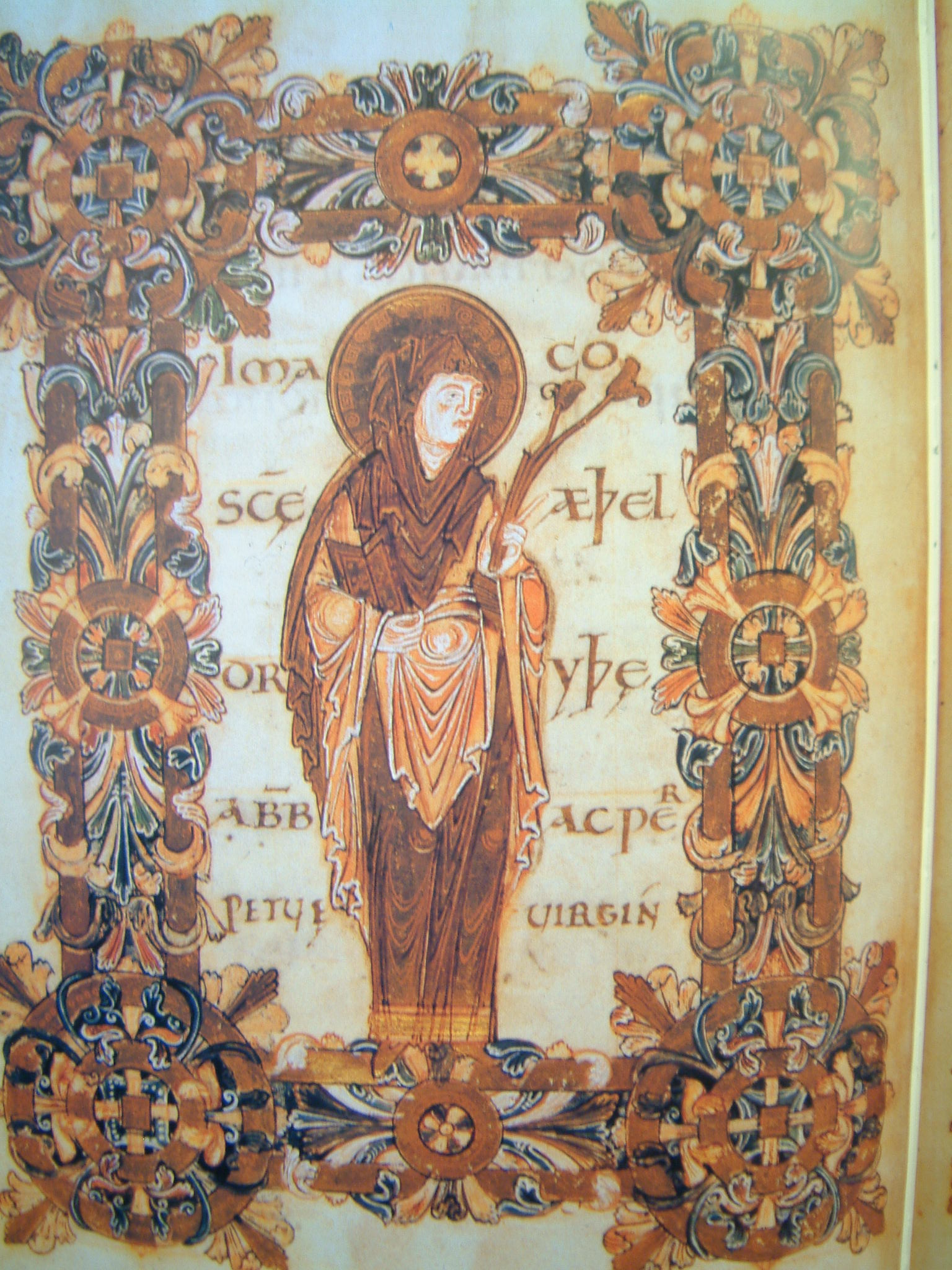
Æthelthryth, Æðelþryð, Æþelðryþe, Audrey
Ely
Necklaces
About Etheldreda of Ely
Etheldreda of Ely, also known as Æthelthryth, was a prominent Anglo-Saxon saint, princess, queen, and abbess who lived in the 7th century. Born in 636, she was the daughter of Anna, King of East Anglia, and a sister to other saintly figures such as Wendreda and Seaxburh of Ely. Etheldreda's life encompassed a remarkable range of roles for a woman in early Anglo-Saxon England, including princess, wife, queen, nun, and abbess, positions that afforded her significant power and influence.
Life and Historical Context
Etheldreda's early life and marriages are documented in various hagiographical accounts, most notably Bede's Ecclesiastical History of the English People. She was likely born in Exning, Suffolk. Her first marriage, around 652, was to Tondberct, a prince of the South Gyrwe. Throughout this marriage, Etheldreda is said to have maintained a vow of perpetual virginity. Upon Tondberct's death in 655, she retired to the Isle of Ely, which she had received as a morning gift.
For political reasons, Etheldreda remarried in 660 to Ecgfrith of Northumbria. Shortly after his accession to the throne in 670, Etheldreda expressed her desire to enter religious life as a nun. This ambition led to conflict, particularly with Wilfrid, bishop of York, who was her spiritual advisor. While Ecgfrith initially agreed to her vow of virginity, he later sought to assert his marital rights, leading to Etheldreda seeking refuge first at Coldingham nunnery and eventually fleeing back to the Isle of Ely. Ecgfrith later married Eormenburg and expelled Wilfrid from his kingdom.
Major Contributions
Etheldreda's most significant contribution was the founding of Ely Abbey in 673. This double monastery at Ely became a major religious center, though it was later destroyed in the Danish invasion of 870.
Death, Burial, and Veneration
According to Bede, Etheldreda died of a neck tumor in 679, which she interpreted as a divine penance for her youthful vanity. Sixteen years after her death, in 695, her body was exhumed by her sister and successor, Seaxburh. Bede records that her body was found to be uncorrupted and was reburied in a white marble coffin. The Liber Eliensis details how her coffin and clothes were then believed to possess miraculous powers, and her remains were translated to the new church at Ely. This discovery and translation solidified her status as a saint and a focus of devotion.
Legacy
Etheldreda's legacy is celebrated through various means. She is remembered in the Church of England with a Lesser Festival on October 17, and alternatively on June 23 in the Common Worship calendar. Numerous churches are dedicated to her, including St Etheldreda's Church in Ely Place, Holborn, and St Etheldreda's Church in Ely, Cambridgeshire, which houses her shrine and relics. The common name 'St Audrey' gave rise to the word 'tawdry,' originally referring to lace goods sold at her fair, which later became associated with cheapness or ostentation. Artistic and literary works, such as panel paintings and novels, have also been inspired by her life.
Source: Wikipedia ↗
Frequently Asked Questions
Who was Etheldreda of Ely?
Etheldreda of Ely was an East Anglian princess, a queen, and later an abbess. She is recognized as an Anglo-Saxon saint, known for her piety and the founding of Ely Abbey.
Why is Etheldreda considered a saint?
Etheldreda is venerated as a saint primarily for her devout life, her vow of virginity kept through two marriages, and her role as foundress of a significant religious community. Her body was also discovered to be incorrupt, which is often seen as a sign of sanctity.
What is Etheldreda remembered for?
She is chiefly remembered for founding Ely Abbey in 673 and for her incorrupt body, which was translated and reburied in a white marble coffin. Many churches are dedicated to her, and she is associated with the origin of the word 'tawdry'.
Did Etheldreda have any notable family members?
Yes, Etheldreda was the daughter of Anna, King of East Anglia. Her siblings included Wendreda and Seaxburh of Ely, both of whom also retired from secular life to found abbeys.
What is the significance of the word 'tawdry'?
The word 'tawdry' derives from the common version of Etheldreda's name, 'St Audrey'. It originated from the lace goods sold at an annual fair held in her name in Ely, which by the 17th century became associated with being old-fashioned, vain, or cheap.
Related Saints
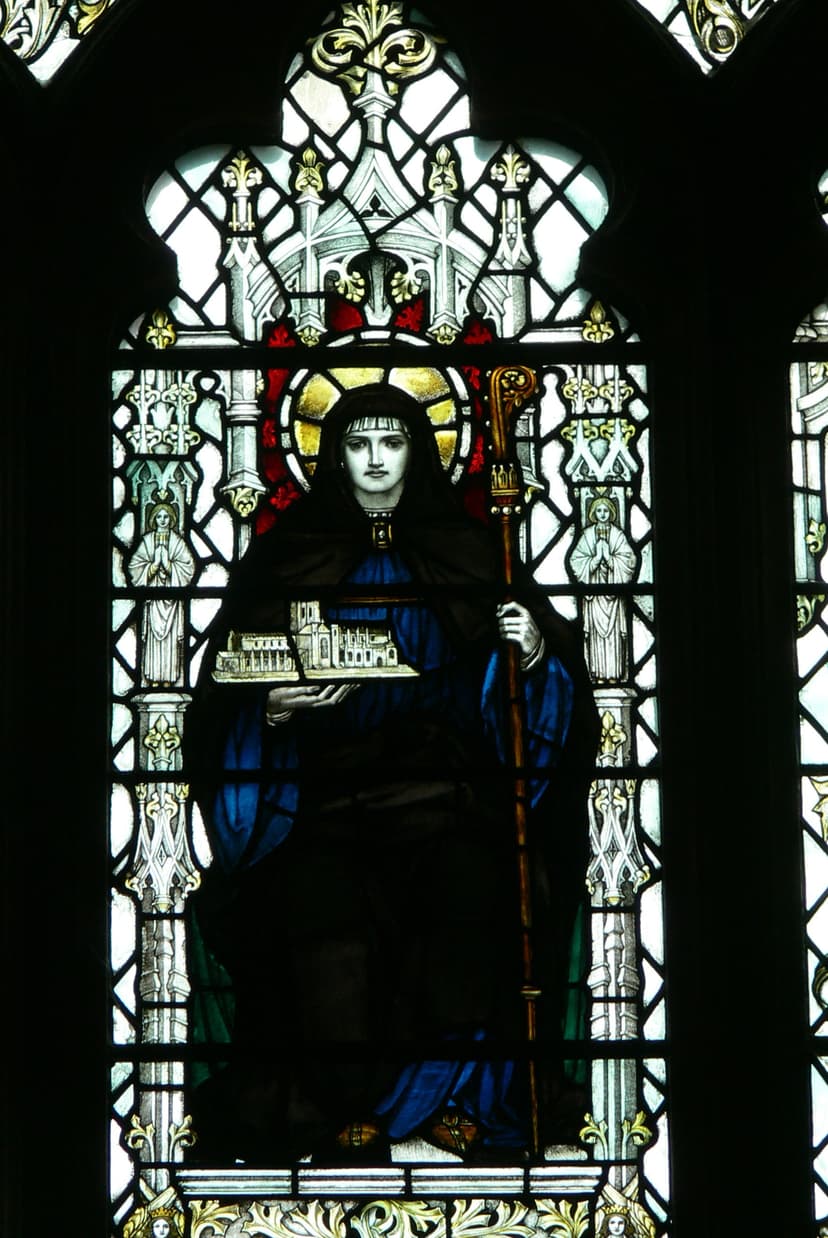
Werburgh
Werburgh was an Anglo-Saxon princess who became the patron saint of Chester. Daughter of King Wulfhere of Mercia, she was a nun for most of her life and eventually became the fourth Abbess of Ely. She is chiefly remembered for her role in convent reform and as the patron saint of Chester, with legends attributing miracles to her.
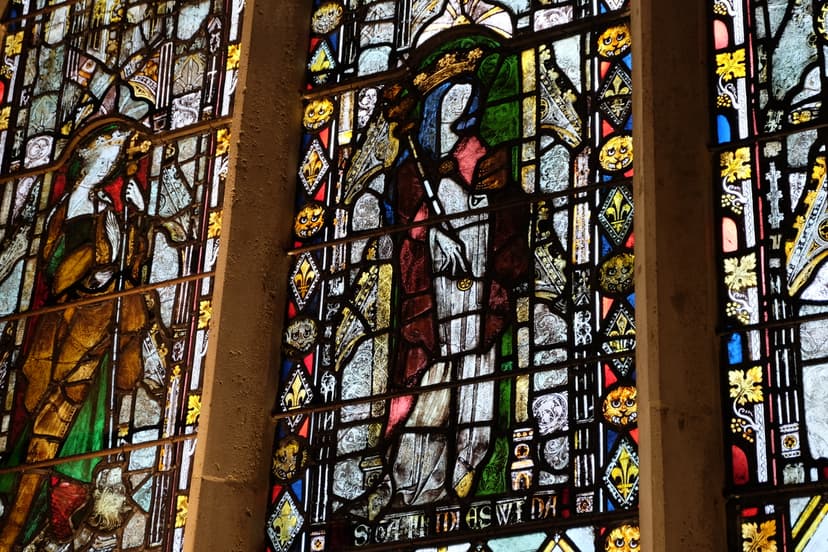
Frideswide
Saint Frideswide was an English princess and abbess, traditionally credited as the foundress of a monastery that later became part of Christ Church Cathedral in Oxford. She is chiefly remembered as the patron saint of Oxford and its university, venerated for her piety and the spiritual significance of the well that sprang up at her prayer.
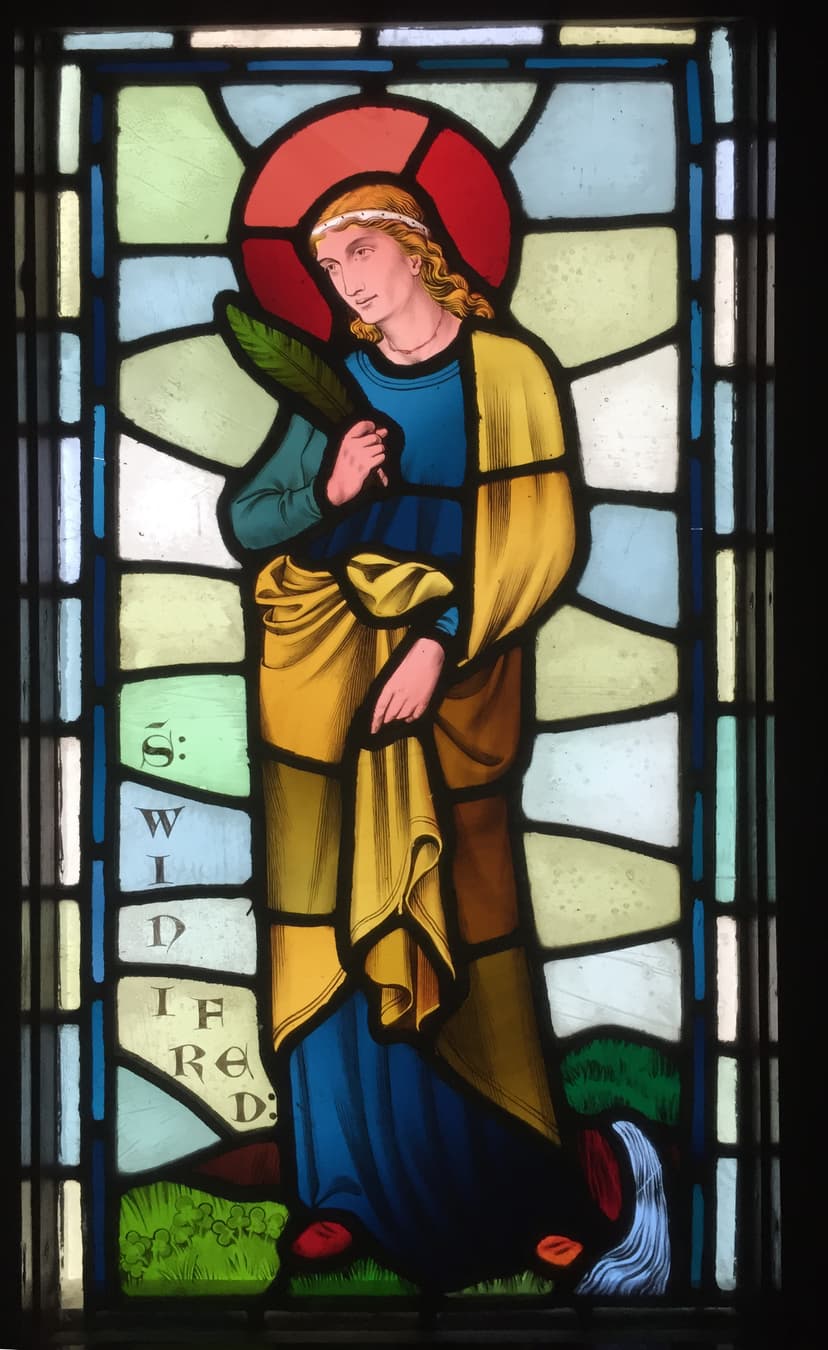
Winifred
Saint Winifred was a 7th-century Welsh virgin martyr, whose legend recounts her decapitation by a suitor and miraculous restoration to life by Saint Beuno, with a healing spring appearing at the site of her beheading. She is chiefly remembered for her legend of martyrdom and the enduring pilgrimage site of St. Winefride's Well in Holywell, Wales, which is considered "the Lourdes of Wales."