
Epiphanius the Wise
Epiphanius the Wise was a Russian Orthodox monk and hagiographer who lived in the late 14th and early 15th centuries. A disciple of Sergius of Radonezh, he is recognized for his distinctive literary style, known as pletenie sloves or "the weaving/braiding of words." His writings, particularly the "Life of Sergius of Radonezh," are considered a significant contribution to Russian spiritual and cultural revival.
Key Facts
- ›Epiphanius the Wise was a Russian Orthodox monk and hagiographer.
- ›He was a disciple of Sergius of Radonezh and lived in the late 14th and early 15th centuries.
- ›His literary style, known as pletenie sloves, is characterized by neologisms and elaborate phrasing.
- ›He is the author of the "Life of Stephen of Perm" and the "Life of Sergius of Radonezh."
- ›His writings are considered part of a Russian spiritual and cultural revival.
- ›He was born in Rostov in the first half of the 14th century.
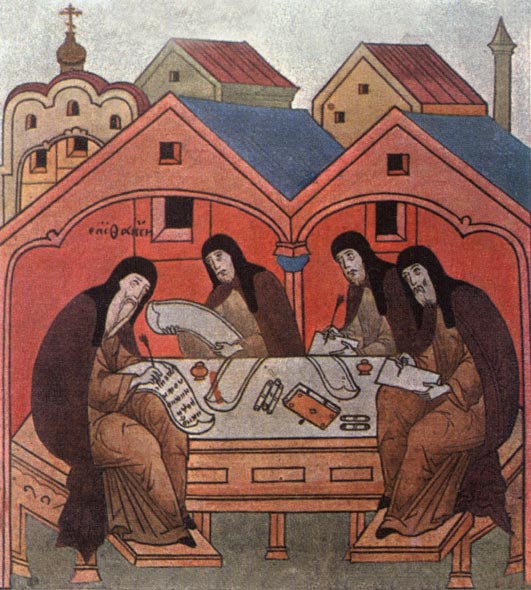
Epifany Premudry
About Epiphanius the Wise
Epiphanius the Wise (died c. 1420) was a Russian Orthodox monk and hagiographer, recognized as a significant figure in the spiritual and cultural revival of late medieval Russia. Born in Rostov in the first half of the 14th century, he joined the monastery of Gregory the Theologian, where he learned manuscript copying and icon painting, and likely studied Greek hagiographic traditions. He later became a disciple of Sergius of Radonezh at the Trinity Monastery.
Epiphanius traveled extensively, visiting locations such as Moscow, Constantinople, and Mount Athos. His literary contributions are highly regarded, particularly his biographies of other saints. He authored the "Life of Stephen of Perm" and the "Life of Sergius of Radonezh," the latter of which he began writing a year after Sergius's death and completed approximately 26 years later. Historians also suggest he may have written the "Trinity Chronicle."
His literary style, known as "pletenie sloves" (the weaving or braiding of words), is distinct for its use of neologisms and elaborate phrasing, reflecting his belief that ordinary language was inadequate to express the greatness of holy men. This stylistic innovation, along with his focus on the spiritual qualities of his subjects, marked a new direction in Russian literature. Epiphanius's writings, alongside the work of contemporaries like Stephen of Perm and the painter Andrei Rublev, are seen as emblematic of the cultural and spiritual flourishing of Russia in the late 14th and early 15th centuries.
Source: Wikipedia ↗
Frequently Asked Questions
Who was Epiphanius the Wise?
Epiphanius the Wise was a Russian Orthodox monk and hagiographer who lived from the first half of the 14th century until around 1420. He was a disciple of the prominent Russian saint Sergius of Radonezh.
What is Epiphanius the Wise known for?
He is chiefly remembered for his unique literary style, called "pletenie sloves" or "the weaving/braiding of words," characterized by abundant neologisms and complex phrasing. He is also known for his hagiographical works, especially the "Life of Sergius of Radonezh."
What works did Epiphanius the Wise write?
Epiphanius the Wise authored at least three major works: the "Life of Stephen of Perm," the "Life of Sergius of Radonezh," and the "Encomium of Sergius." Some scholars also attribute the "Trinity Chronicle" to him.
What was Epiphanius the Wise's literary style like?
His style, "pletenie sloves," was marked by an abundance of neologisms, often forming noun or adjective-noun combinations. He believed ordinary language was insufficient to convey the greatness of holy deeds, leading to his elaborate and ornate prose.
How did Epiphanius the Wise contribute to Russian culture?
Along with figures like Sergius of Radonezh and Andrei Rublev, Epiphanius signified a "Russian spiritual and cultural revival" of the late 14th and early 15th centuries. His writings opened a "new page in Russian literary history."
Related Saints
Abraham of Paleostrov
Abraham of Paleostrov was an Eastern Orthodox saint and hegumen (abbot) of the Monastery of the Nativity of the Blessed Virgin Mary in Paleostrov, Russia. A disciple and successor of Cornelius of Paleostrov, he participated in the construction of the monastery and its churches. He is remembered for his abbatial service and burial alongside his spiritual father.
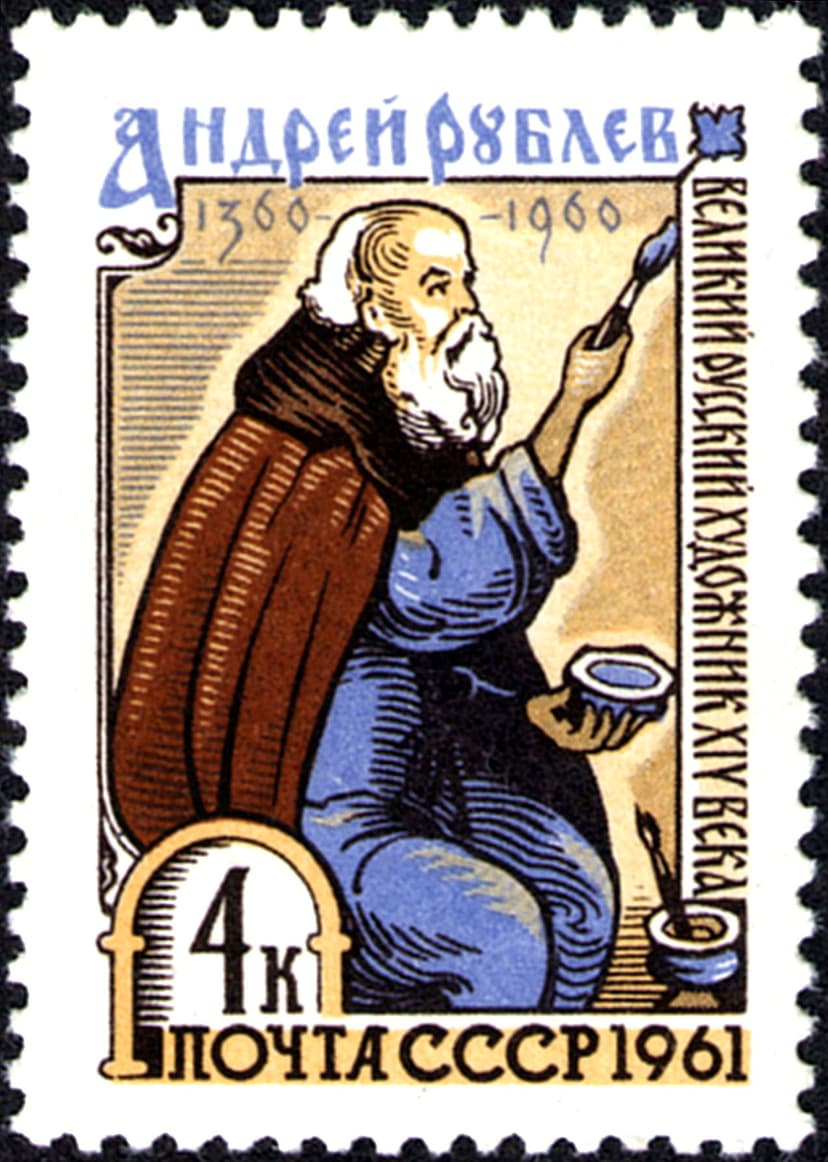
Andrew the Iconographer
Andrei Rublev was a Russian icon painter and fresco artist revered as a saint in the Eastern Orthodox Church. He is considered one of the greatest medieval Russian painters, best known for his icon of the Trinity and his influential style that blended Byzantine tradition with Russian spirituality.

Cyril of Beloozero
Cyril of Beloozero was a Russian monk and disciple of Sergius of Radonezh, venerated as a saint by the Russian Orthodox Church. He is chiefly remembered for founding the Kirillo-Belozersky Monastery in 1397, which became a significant spiritual center in northern Russia. Cyril established a strict monastic order that attracted many followers.