
Elizabeth the New Martyr
Elizabeth the New Martyr was a German princess who became a Russian Grand Duchess and later a monastic founder. Following the assassination of her husband, Grand Duke Sergei Alexandrovich, she publicly forgave his killer and dedicated her life to charitable works, establishing the Marfo-Mariinsky Convent in Moscow. She is remembered for her profound faith, acts of forgiveness, and service to the poor and sick.
Key Facts
- ›She was born Princess Elisabeth of Hesse and by Rhine, a granddaughter of Queen Victoria.
- ›She married Grand Duke Sergei Alexandrovich of Russia and converted to Russian Orthodoxy, taking the name Elizaveta Feodorovna.
- ›After her husband was assassinated by a bomb in 1905, she forgave his murderer.
- ›She founded the Marfo-Mariinsky Convent in Moscow, dedicating herself to caring for the poor and sick.
- ›She was arrested and murdered by Bolsheviks in 1918.
- ›She was canonized by the Russian Orthodox Church Outside Russia in 1981 and by the Moscow Patriarchate in 1992.
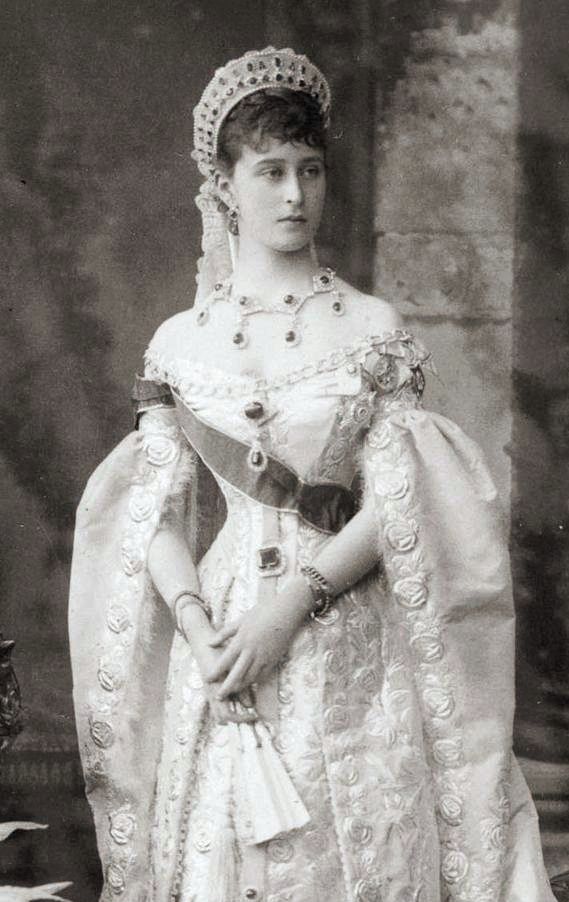
Grand Duchess Elizabeth Feodorovna of Russia, Ella
the Poor, the Sick, Forgiveness
Saints Martha and Mary Convent
Cross, Habit
About Elizabeth the New Martyr
Elizabeth the New Martyr, born Princess Elisabeth of Hesse and by Rhine on November 1, 1864, was a German princess who became a prominent figure in Russian society and a venerated saint. Known to her family as "Ella," she was the daughter of Ludwig IV, Grand Duke of Hesse and by Rhine, and Princess Alice, daughter of Queen Victoria. Her early life was shaped by a simple upbringing and significant personal loss, including the deaths of several siblings and her mother from diphtheria.
In 1884, she married Grand Duke Sergei Alexandrovich of Russia, a son of Emperor Alexander II. Upon her marriage and subsequent conversion to Russian Orthodoxy in 1891, she took the name Elizaveta Feodorovna. Although she and her husband had no children of their own, they became foster parents to Sergei's niece and nephew. Her husband held a significant political position as Governor-General of Moscow, a role marked by controversy, including the expulsion of Jews from the city.
Life of Faith and Service
Elizabeth's life took a profound turn in 1905 when her husband was assassinated by a bomb. In an act of extraordinary Christian forgiveness, she publicly pardoned his murderer, Ivan Kalyayev, and visited him in prison. Deeply affected by this tragedy, she renounced her secular life, sold her jewels, and founded the Convent of Saints Martha and Mary in Moscow. As the abbess, she dedicated herself to caring for the poor, the sick, and orphans, establishing a hospital, pharmacy, and orphanage on the convent grounds.
Martyrdom and Canonization
During the tumultuous period of the Russian Revolution, Elizabeth remained committed to her monastic life. In 1918, she was arrested by the Bolsheviks and subsequently murdered. Her martyrdom, stemming from her unwavering faith and refusal to renounce her beliefs, led to her canonization. She was recognized as a saint by the Russian Orthodox Church Outside Russia in 1981 and by the Moscow Patriarchate in 1992. Elizabeth the New Martyr is remembered for her profound acts of forgiveness, her compassionate service to the marginalized, and her enduring witness to Christian love.
Source: Wikipedia ↗
Frequently Asked Questions
Who was Elizabeth the New Martyr?
Elizabeth the New Martyr was born Princess Elisabeth of Hesse and by Rhine and became Grand Duchess Elizabeth Feodorovna of Russia through her marriage. She is venerated as a saint for her dedication to charitable works and her profound Christian faith.
Why did she forgive her husband's murderer?
Following the assassination of her husband, Grand Duke Sergei Alexandrovich, Elizabeth visited his killer, Ivan Kalyayev, in prison and publicly forgave him. She believed in the Gospel's call to forgive, even in the face of immense personal pain and loss.
What was the Marfo-Mariinsky Convent?
The Marfo-Mariinsky Convent was a women's monastic community founded by Elizabeth in Moscow. She established it to care for the poor and sick, serving as its abbess and dedicating her life to alleviating suffering.
When was she canonized?
Elizabeth the New Martyr was canonized by the Russian Orthodox Church Outside Russia in 1981 and later by the Moscow Patriarchate in 1992. She is recognized for her martyrdom and her exemplary life of faith and service.
What was her family background?
Born into the House of Hesse-Darmstadt, she was a granddaughter of Queen Victoria and older sister to Alexandra, the last Russian empress. Her early life was marked by simple upbringing and significant family tragedies, including the deaths of siblings and her mother from diphtheria.
Related Saints

Matrona of Moscow
Matrona of Moscow was a Russian Orthodox saint known for her gifts of prophecy, spiritual vision, and healing from childhood. Despite being born blind, she is venerated for her spiritual insights, advice, and miraculous intercessions, which offered comfort and guidance to many during times of hardship and revolution. Her gravesite and later her relics became significant pilgrimage destinations, solidifying her place as a beloved figure in Russian Orthodox devotion.
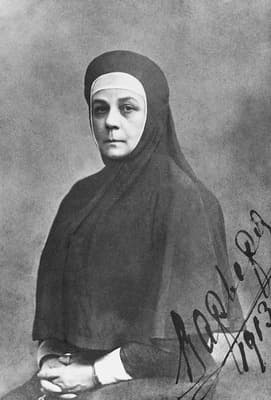
Barbara Yakovleva
Varvara Alexeyevna Yakovleva, known as Nun Barbara, was a Russian Orthodox nun who served as Grand Duchess Elizabeth Fyodorovna's maid before taking her vows. She is remembered as a martyr, having been killed by the Bolsheviks in 1918 along with the Grand Duchess and other members of the imperial family.
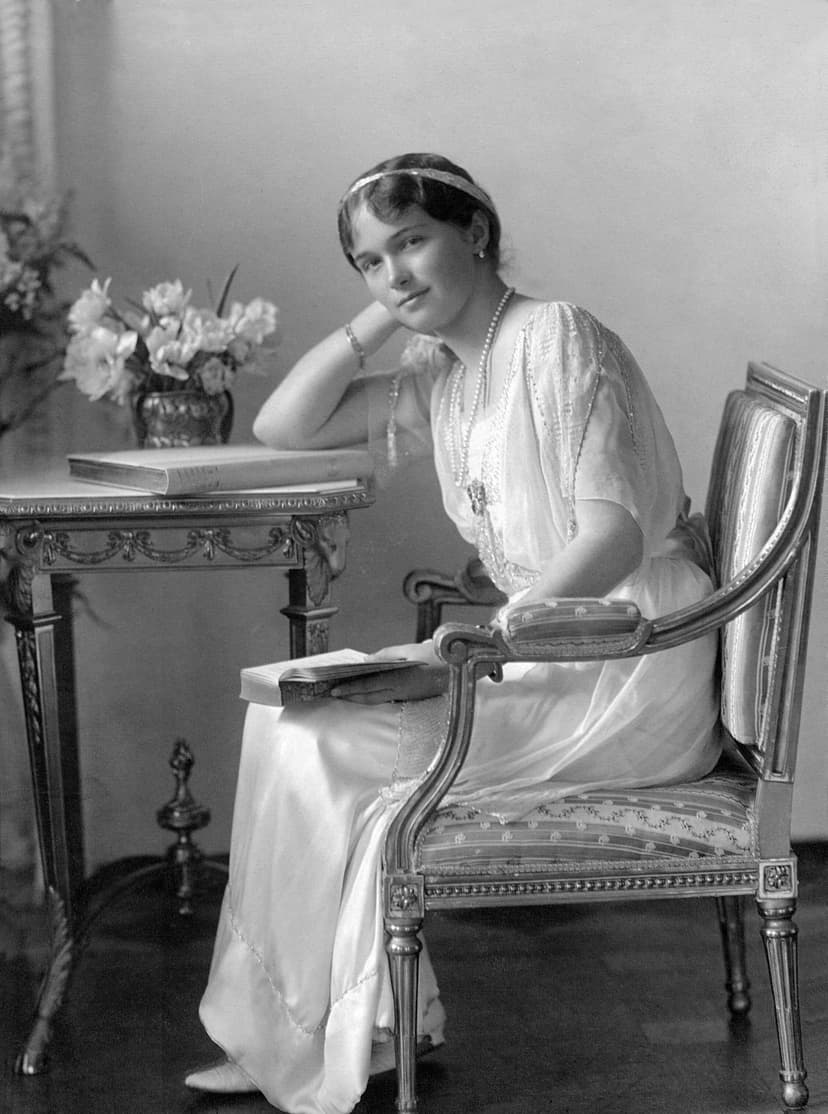
Olga Nikolaevna
Grand Duchess Olga Nikolaevna was the eldest daughter of the last Russian emperor, Nicholas II, and Empress Alexandra Feodorovna. She is remembered for her compassionate nature, her service as a nurse during World War I, and her subsequent canonization as a passion bearer by the Russian Orthodox Church following her murder after the Russian Revolution. Olga's life was marked by her close family relationships, early marriage speculations, and the tumultuous events leading to the end of the Romanov dynasty.